



For more than a century, coal has been one of the world’s dominant energy sources. It powered industrial revolutions, supported economic growth, and supplied electricity to billions of people. However, coal also became one of the largest contributors to environmental pollution, greenhouse gas emissions, and climate change. As countries around the world strengthen carbon reduction policies and seek cleaner alternatives, biomass fuel pellets are replacing coal at an increasingly rapid pace.
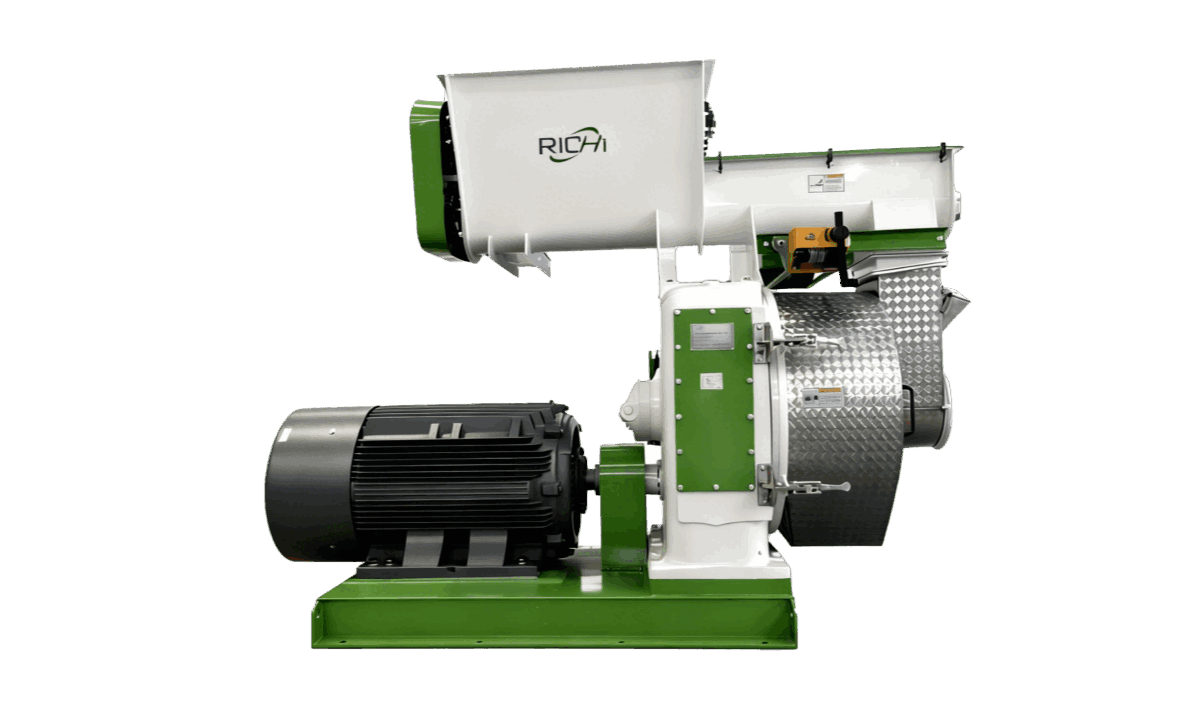
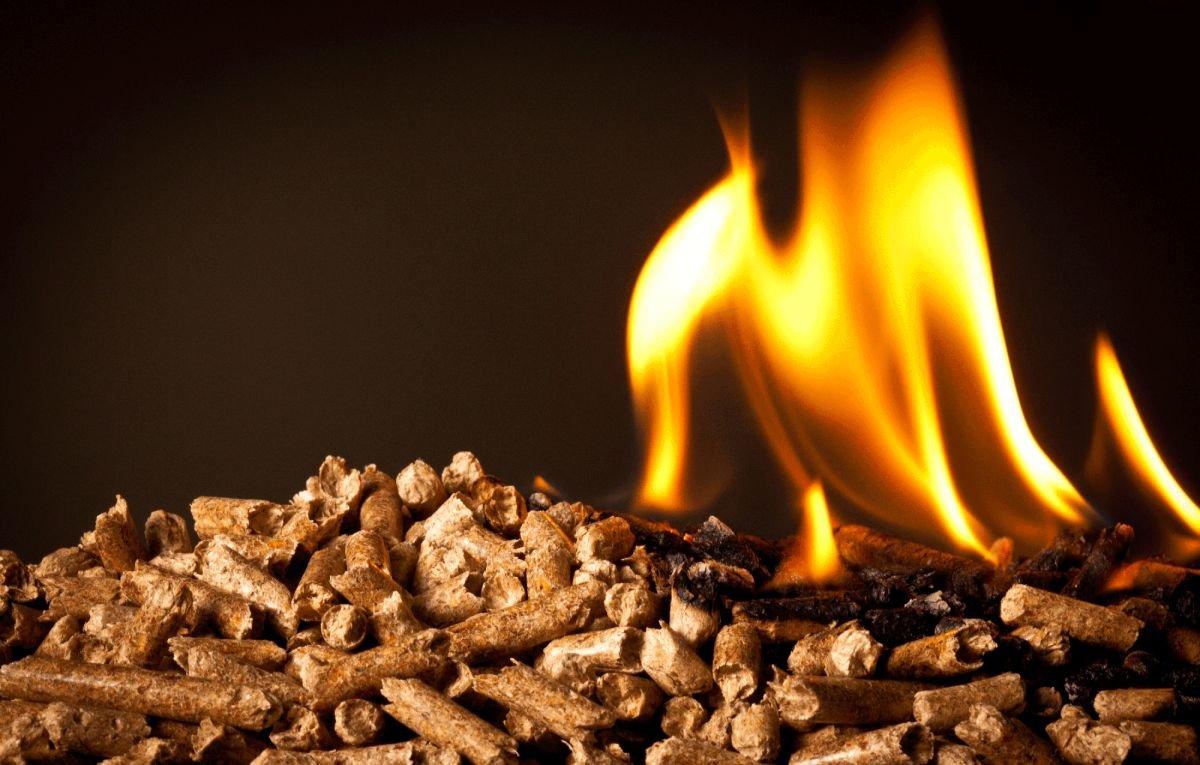
Biomass fuel pellets are renewable solid fuels produced from agricultural residues, forestry waste, and organic biomass materials. These pellets are now widely used in industrial boilers, power plants, district heating systems, and manufacturing industries. Modern technologies such as the biomass pellet mill and specialized agricultural waste processing systems have made pellet production more efficient and commercially viable than ever before.
In particular, agricultural residues like rice husks have become important renewable fuel resources. Equipment such as the rice husk pellet machine price has become a key topic for investors looking to enter the growing biomass energy industry.
This article explains why biomass fuel pellets are replacing coal faster, examining environmental pressures, economic advantages, government policies, technological progress, and global renewable energy trends.
1. The Global Shift Away from Coal
Coal has long been considered a cheap and reliable fuel source, but its disadvantages are becoming increasingly serious.
Major problems associated with coal include:
- High carbon dioxide emissions
- Severe air pollution
- Sulfur and nitrogen oxide emissions
- Environmental destruction from mining
- Human health impacts
As governments implement stricter environmental regulations, coal is becoming less attractive both economically and politically.
At the same time, renewable energy technologies are improving rapidly, making alternatives like biomass fuel pellets more competitive.
2. What Are Biomass Fuel Pellets?
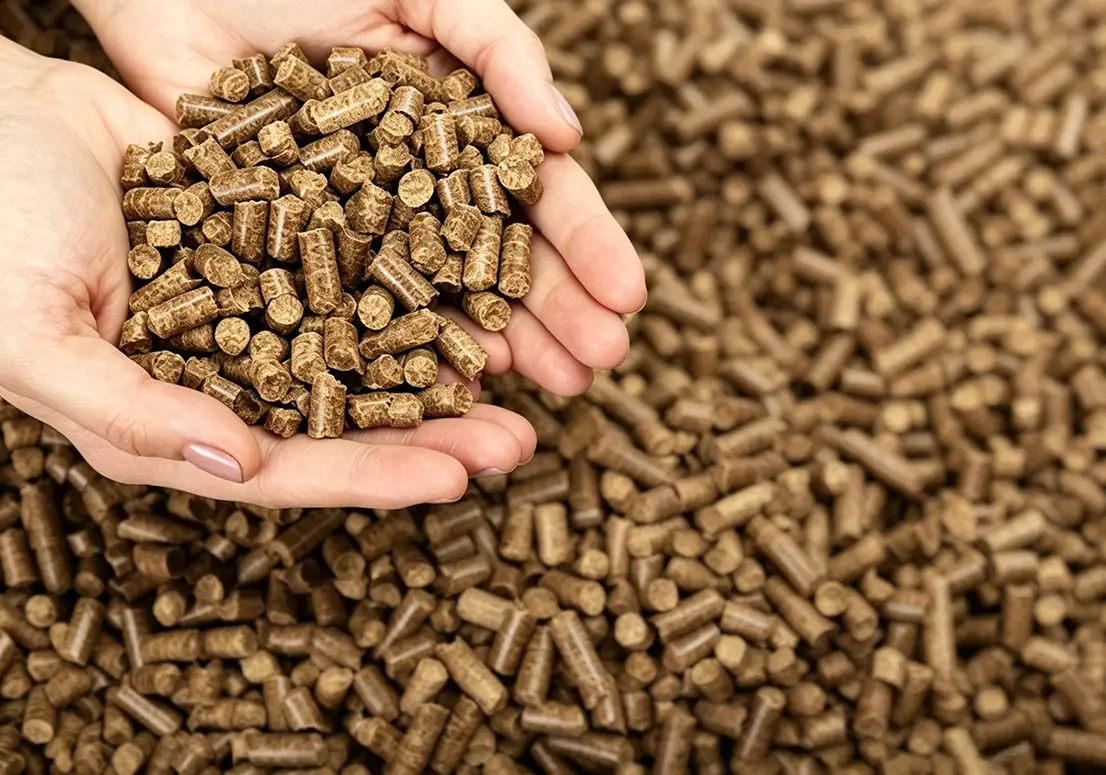
Biomass fuel pellets are compact cylindrical fuel products made by compressing biomass materials under high pressure.
Common raw materials include:
- Sawdust
- Rice husks
- Corn stalks
- Wheat straw
- Peanut shells
- Bagasse
- Bamboo waste
- Wood chips
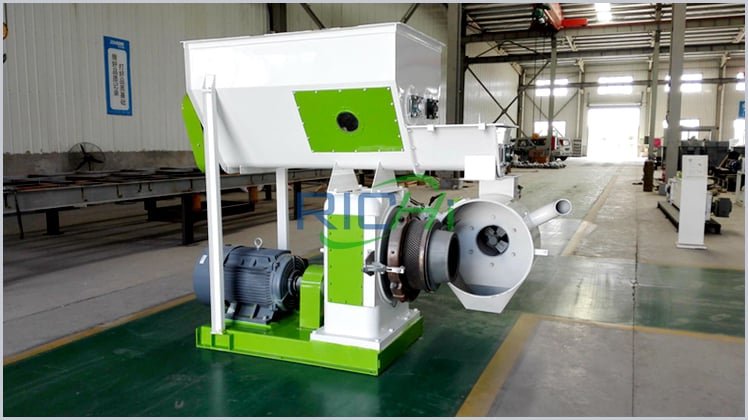
The industrial biomass pellet mill compresses these materials into dense fuel pellets that are easy to transport, store, and burn efficiently.
3. Why Biomass Fuel Pellets Are Growing So Quickly
The rapid growth of biomass fuel pellets is driven by several major factors:
- Climate change concerns
- Rising fossil fuel prices
- Government carbon reduction policies
- Renewable energy targets
- Improved pellet technology
- Availability of agricultural waste
Compared with coal, biomass pellets provide a cleaner and more sustainable energy solution.
4. Lower Carbon Emissions Compared with Coal
One of the biggest reasons biomass pellets are replacing coal is carbon reduction.
Coal releases carbon that has been stored underground for millions of years. This significantly increases atmospheric carbon dioxide levels.
Biomass works differently.
Plants absorb carbon dioxide during growth through photosynthesis. When biomass pellets are burned, the released carbon roughly equals the carbon previously absorbed by the plants.
This creates a near carbon-neutral energy cycle.
As countries pursue net-zero emissions goals, biomass pellets become increasingly attractive.
5. Reduced Air Pollution
Coal combustion generates:
- Sulfur dioxide
- Nitrogen oxides
- Heavy metals
- Fine particulate matter
These pollutants contribute to:
- Acid rain
- Respiratory disease
- Smog
- Environmental damage
Biomass fuel pellets generally produce lower emissions, especially when modern combustion systems are used.
This makes biomass a cleaner alternative for industrial heating and power generation.
6. Agricultural Waste Utilization
Every year, enormous quantities of agricultural waste are produced worldwide.
Examples include:
- Rice husks
- Corn stalks
- Wheat straw
- Sugarcane bagasse
In many regions, these materials are burned openly or discarded.
Biomass pellet production converts this waste into valuable renewable fuel.
This provides both environmental and economic benefits.
7. The Growing Importance of Rice Husk Pellets
Rice-producing countries generate millions of tons of rice husks annually.
Rice husks are difficult to dispose of because they:
- Decompose slowly
- Occupy large storage space
- Cause pollution when burned openly
Using a biomass pellet mill, rice husks can be transformed into high-density fuel pellets suitable for industrial boilers and biomass power plants.
As a result, interest in rice husk pellet machine price continues increasing among investors and agricultural processing companies.
https://pelletisingmachine.com/rice-husk-pellet-machine
8. Why Investors Care About Rice Husk Pellet Machine Price
The rice husk pellet machine price is important because it directly affects project investment cost and profitability.
Investors typically evaluate:
- Production capacity
- Machine durability
- Energy consumption
- Maintenance requirements
- Pellet quality
- Return on investment
Although advanced pellet systems may require higher initial investment, they often provide lower long-term operating costs and better production efficiency.
9. Coal Price Volatility and Energy Security
Coal prices have become increasingly unstable due to:
- International market fluctuations
- Transportation disruptions
- Environmental regulations
- Geopolitical tensions
Biomass pellets provide a more localized energy source.
Countries with strong agricultural industries can produce biomass fuel domestically, reducing dependence on imported coal.
This improves national energy security.
10. Government Renewable Energy Policies
Governments around the world are introducing policies that support biomass energy development.
Examples include:
- Carbon taxes on fossil fuels
- Renewable energy subsidies
- Biomass power incentives
- Emission reduction targets
These policies make biomass fuel pellets more economically competitive than coal.
11. Industrial Boiler Conversion from Coal to Biomass
Many factories are converting coal-fired boilers into biomass systems.
Industries making this transition include:
- Textile factories
- Food processing plants
- Paper mills
- Chemical industries
- Cement plants
Reasons for conversion include:
- Lower emissions
- Easier environmental compliance
- Renewable energy incentives
- Lower long-term fuel costs
Biomass pellets provide similar heating performance while reducing environmental impact.
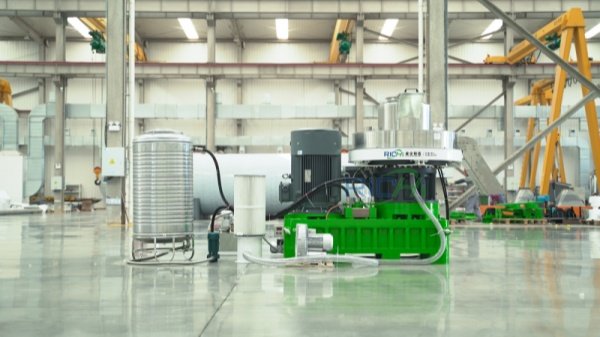
12. Technological Improvements in Biomass Pellet Production
Modern biomass pellet mill technology has improved significantly in recent years.
Advancements include:
- Higher compression efficiency
- Reduced energy consumption
- Better automation systems
- Improved die materials
- Advanced cooling and drying systems
These improvements lower production cost and improve pellet quality.
13. Automation and Smart Production Systems
Modern pellet plants use advanced automation technology.
Features include:
- PLC control systems
- Automatic lubrication
- Real-time monitoring
- Intelligent moisture control
- Remote diagnostics
Automation improves:
- Production stability
- Labor efficiency
- Energy savings
- Product consistency
14. Improved Transportation and Storage Efficiency
Raw biomass materials are bulky and difficult to transport.
Pelletizing solves this problem by increasing density.
Benefits include:
- Reduced transportation cost
- Easier storage
- Improved fuel handling
- Lower logistics expenses
Compared with loose agricultural waste, pellets are far more commercially practical.
15. Economic Opportunities for Rural Areas
Biomass pellet production creates economic opportunities in rural regions.
Benefits include:
- Additional farmer income
- Job creation
- Agricultural waste utilization
- Local industrial development
Rural biomass industries support sustainable economic growth.
16. Biomass Pellets in Power Generation
Biomass power plants are becoming increasingly common worldwide.
Pellets are used to:
- Replace coal completely
- Co-fire with coal
- Reduce emissions in existing plants
This allows existing energy infrastructure to transition gradually toward renewable energy.
17. Carbon Neutrality and Net-Zero Goals
Many countries have announced carbon neutrality goals for 2050 or earlier.
Replacing coal with biomass pellets helps industries reduce:
- Carbon emissions
- Fossil fuel dependency
- Environmental pollution
This makes biomass one of the most practical renewable transition fuels available today.
18. Challenges Facing Biomass Fuel Pellets
Despite rapid growth, biomass pellets still face challenges:
- Raw material moisture variability
- Seasonal supply fluctuations
- Transportation logistics
- Equipment maintenance cost
However, continued technological improvement is helping overcome these issues.
19. The Future of Biomass Pellet Industry
The future of biomass energy looks promising due to:
- Strong global renewable energy demand
- Continuous technological progress
- Increasing environmental regulations
- Rising fossil fuel costs
The biomass pellet mill industry is expected to continue expanding rapidly.
20. Why Biomass Is Replacing Coal Faster Than Expected
Several factors are accelerating the transition:
Environmental Pressure
Climate change policies are becoming stricter worldwide.
Economic Viability
Pellet production technology has become more efficient and profitable.
Agricultural Waste Availability
Massive quantities of agricultural residues provide abundant raw materials.
Government Support
Renewable energy incentives encourage biomass investment.
Industrial Demand
Factories need cleaner fuel alternatives to meet emission standards.
Together, these factors explain why biomass fuel pellets are replacing coal faster than many experts originally predicted.
21. The Role of Biomass Pellet Mill Technology
The biomass pellet mill is the core machine enabling large-scale renewable fuel production.
It transforms loose biomass materials into:
- Dense pellets
- Standardized fuel products
- Efficient renewable energy sources
Without efficient pellet mill technology, biomass fuel could not compete effectively with coal.
22. Long-Term Sustainability of Biomass Energy
Unlike fossil fuels, biomass resources can be continuously regenerated through agriculture and forestry.
This makes biomass:
- Renewable
- Sustainable
- Environmentally responsible
As long as crops and forests continue growing, biomass fuel production can continue indefinitely.
Conclusion
Biomass fuel pellets are replacing coal faster because they provide a cleaner, renewable, and increasingly cost-effective energy solution. Rising environmental concerns, stricter carbon regulations, government renewable energy policies, and rapid technological improvements are all accelerating this transition.
Agricultural residues such as rice husks are becoming valuable renewable fuel resources, driving growing interest in rice husk pellet machine price and biomass energy investment opportunities. At the center of this transformation is the biomass pellet mill, which enables waste materials to become efficient, commercially viable fuel products.
As the world moves toward carbon neutrality and sustainable energy systems, biomass fuel pellets will continue playing an increasingly important role in replacing coal and supporting the global renewable energy transition.