



Agricultural regions around the world are facing a common challenge: how to efficiently utilize increasing amounts of crop residues. After harvesting, farmers often have large quantities of straw left behind. Without proper utilization methods, these materials may become difficult to manage and can even contribute to environmental problems.
However, the development of biomass processing technology has changed the way people view agricultural residues. Straw is no longer just a by-product of farming activities. It has become a valuable resource that can be converted into renewable fuel, animal bedding materials, and other commercial products.
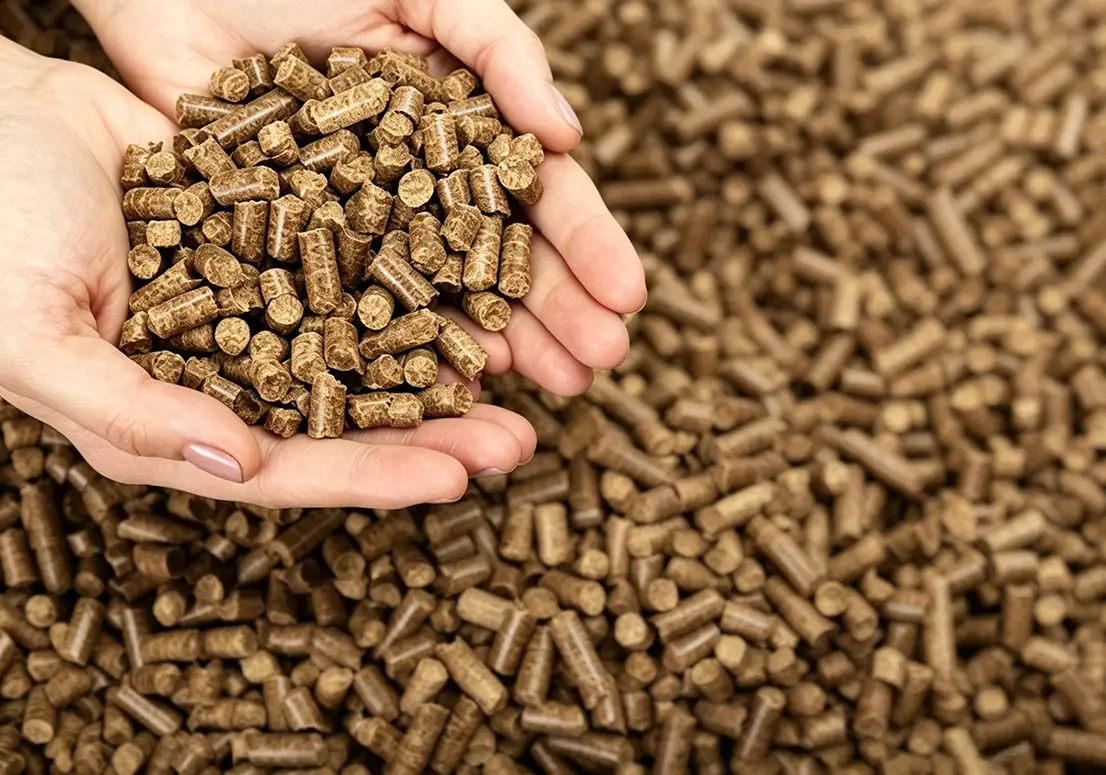
A modern straw pellet manufacturing line enables agricultural companies to transform loose straw into high-density pellets with improved transportation, storage, and application performance.
This technology provides rural industries with a practical way to increase income, reduce waste, and participate in the growing renewable energy market.
The Transformation of Agricultural Waste Into Valuable Products
The agricultural sector produces enormous quantities of biomass every year.
Common agricultural residues include:
- Wheat straw
- Rice straw
- Corn stalks
- Barley straw
- Grass residues
- Sugarcane residues
Traditionally, these materials had limited economic value. Farmers often burned them after harvesting or used only a small portion for livestock.
However, modern biomass processing creates a new possibility:
Waste materials can become marketable products.
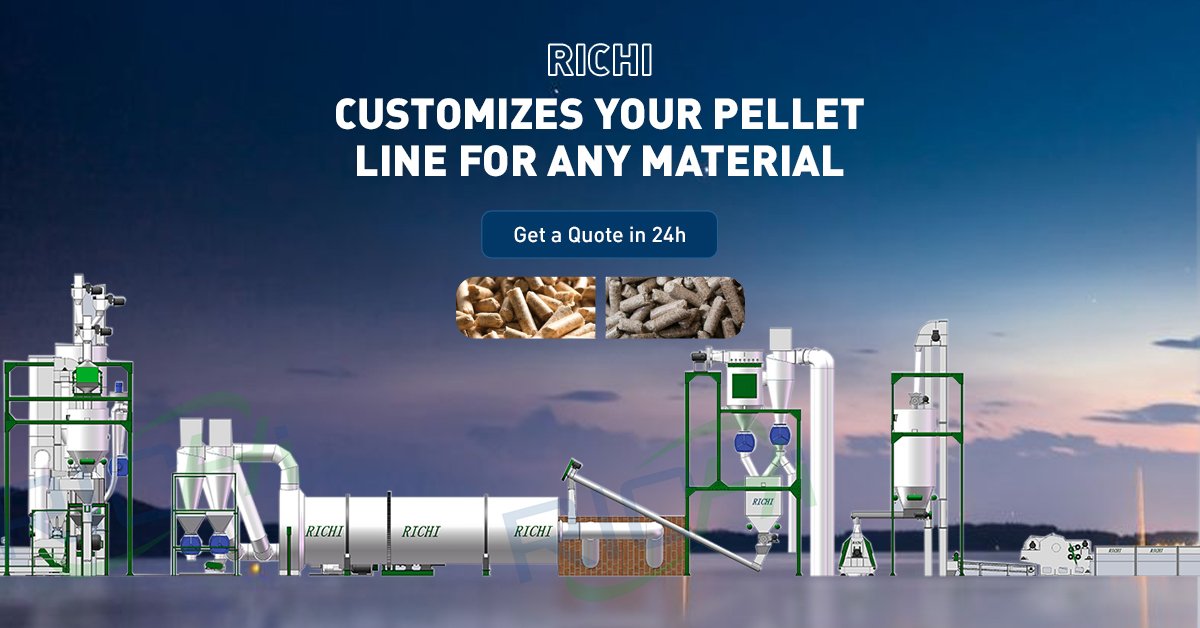
Through crushing, drying, pelletizing, cooling, and packaging, agricultural residues can be converted into standardized pellets suitable for different industries.
This creates a complete value chain:
Farmers → Raw material suppliers → Pellet producers → Energy users and agricultural customers
Why More Companies Are Entering the Straw Pellet Market
Several factors are driving the growth of the biomass pellet industry.
Increasing Demand for Renewable Energy
Countries worldwide are promoting cleaner energy solutions.
Industrial users are searching for alternatives to:
- Coal
- Natural gas
- Traditional fuels
Biomass pellets provide a renewable option that can be stored and transported efficiently.
Growing Awareness of Waste Recycling
Agricultural waste management is becoming increasingly important.
Instead of treating straw as a disposal problem, companies are discovering its commercial value.
New Rural Business Opportunities
Straw pellet production allows agricultural areas to develop additional industries beyond traditional farming.
It creates opportunities for:
- Farmers
- Biomass suppliers
- Equipment investors
- Energy companies
How a Straw Pellet Manufacturing System Works
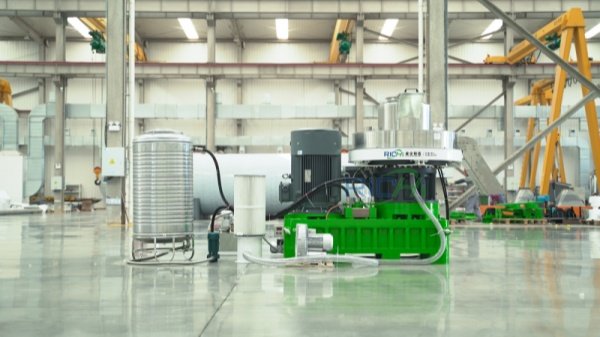
A commercial pellet factory requires a carefully designed production process.
Raw Material Collection and Storage
A stable supply of raw materials is the first requirement.
Successful projects usually establish cooperation with:
- Large farms
- Agricultural cooperatives
- Grain processing companies
Proper storage facilities help maintain material quality throughout the year.
Crushing and Size Control
Raw straw usually contains long fibers that affect feeding and compression.
A crushing system processes the material into smaller particles.
Benefits include:
- Improved feeding stability
- Better pellet formation
- Reduced equipment wear
Uniform material size is especially important for continuous production.
Moisture Adjustment
Straw moisture changes depending on:
- Harvest conditions
- Climate
- Storage environment
Before pelletizing, moisture needs to be adjusted to suitable levels.
Correct moisture improves:
- Pellet strength
- Production efficiency
- Energy utilization
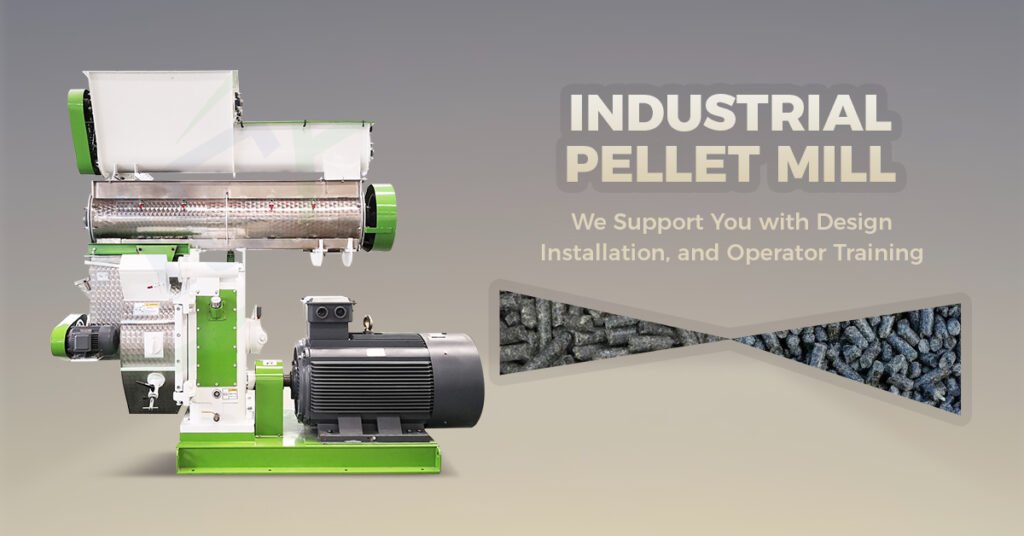
Pelletizing Process
The pelletizing stage determines final product quality.
During operation, biomass particles are compressed under high pressure. The natural components inside plant fibers help bind the material together.
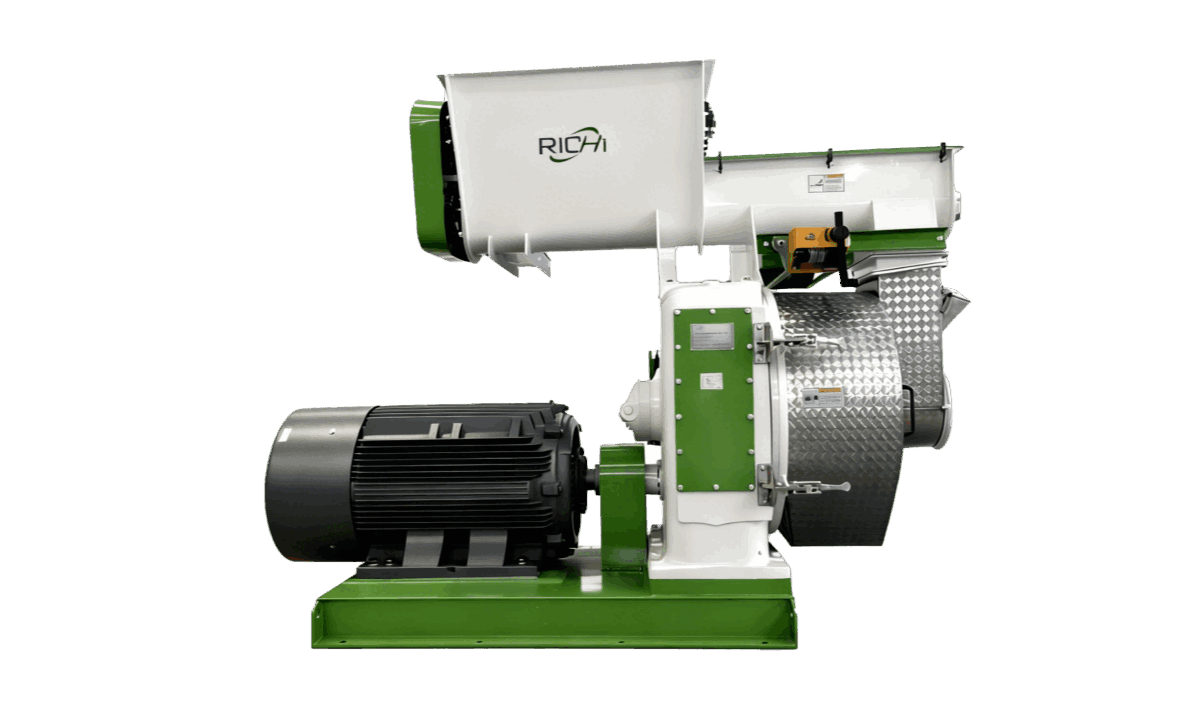
For companies planning flexible biomass projects, a 1-2 T/H hay pellet making machine for sale can process various forage materials while maintaining stable output.
Cooling and Quality Control
Fresh pellets need cooling after leaving the pellet mill.
Cooling helps:
- Increase hardness
- Reduce moisture
- Improve storage life
Screening equipment removes small particles and ensures consistent product quality.
Different Applications of Straw Pellets
One major advantage of straw pellets is their wide range of applications.
Biomass Fuel
The largest application is renewable energy production.
Straw pellets are used in:
- Industrial boilers
- Heating systems
- Biomass power plants
Their compact size makes them easier to transport compared with loose biomass.
Animal Bedding
Straw pellets are also popular in livestock industries.
Advantages include:
- High absorption ability
- Easy cleaning
- Reduced dust
- Convenient storage
They are commonly used for:
- Horses
- Poultry
- Cattle
- Other livestock
Agricultural Products
Some producers create specialized pellets for agricultural applications, including soil improvement and organic material utilization.
Selecting the Right Production Capacity
Production capacity should match market demand and raw material availability.
Different businesses have different goals:
Small Rural Enterprises
These projects usually focus on local markets and require lower investment.
Medium Businesses
They may supply regional customers and require stable commercial production.
Large Industrial Factories
These companies often target large energy customers and export markets.
For larger projects, equipment such as the 5-6 T/H hay pellet machine for sale provides higher production capability and supports continuous industrial operation.
Proper capacity planning helps avoid:
- Excess investment
- Low equipment utilization
- Production limitations
Why Professional Engineering Support Matters
A pellet factory is not simply a collection of machines.
Many factors influence project success:
- Raw material characteristics
- Factory layout
- Production process
- Equipment matching
- Local operating conditions
Professional suppliers analyze these factors before designing a solution.
A complete engineering service usually includes:
Production Planning
Determining suitable output and equipment configuration.
Process Design
Creating an efficient workflow.
Installation Support
Ensuring equipment operates correctly.
Technical Training
Helping operators manage production.
Companies such as Richi Pellet Mill provide customized pellet production solutions based on different customer requirements and raw material conditions.
Improving Profitability Through Smart Production Management
Successful pellet businesses focus not only on production but also on efficiency.
Important factors include:
Reducing Energy Consumption
Energy-saving equipment helps lower operating costs.
Improving Raw Material Utilization
Better processing reduces waste.
Maintaining Equipment Regularly
Proper maintenance extends machine lifespan.
Developing Stable Customers
Long-term cooperation with buyers improves business stability.
The Importance of Flexible Raw Material Processing
Agricultural regions often have different biomass resources throughout the year.
A flexible production system can process multiple materials, such as:
- Straw
- Hay
- Grass
- Alfalfa
- Corn stalks
This flexibility allows factories to operate longer and reduce dependence on one seasonal material.
A well-designed straw pellet manufacturing line can become a year-round production solution.
Future Opportunities in Biomass Pellet Production
The future of biomass processing is closely connected with global sustainability goals.
Future trends may include:
- More automated factories
- Higher production efficiency
- Improved pellet standards
- Expanded international markets
- Integration with agricultural supply chains
As countries continue promoting renewable energy, agricultural biomass will become increasingly important.
Businesses interested in exploring more technical information can top article for additional industry knowledge and practical insights.
Conclusion
The value of agricultural straw has changed significantly with the development of pellet technology.
Instead of being a waste problem, straw can become a profitable resource through professional processing systems.
(Related Post: https://biomasspelletizer.com/miscanthus-pellet-mill/)
A complete straw pellet processing line provides rural industries with an opportunity to create renewable products, improve resource utilization, and develop new income channels.
For investors, success depends on selecting suitable production capacity, understanding local raw materials, and working with experienced equipment providers.
With advanced solutions from companies like Richi Pellet Mill, agricultural businesses can build efficient biomass projects that support both economic growth and environmental sustainability.