
Introduction to Alfalfa Pellet Production
The demand for high-quality animal feed has increased significantly as livestock farming continues to develop worldwide. Farmers and feed manufacturers are looking for efficient ways to process forage materials into stable, easy-to-store, and nutritious feed products.
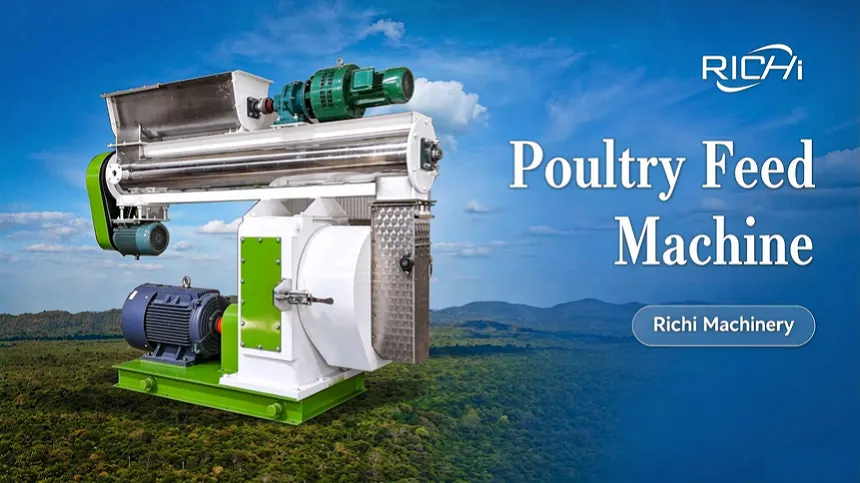
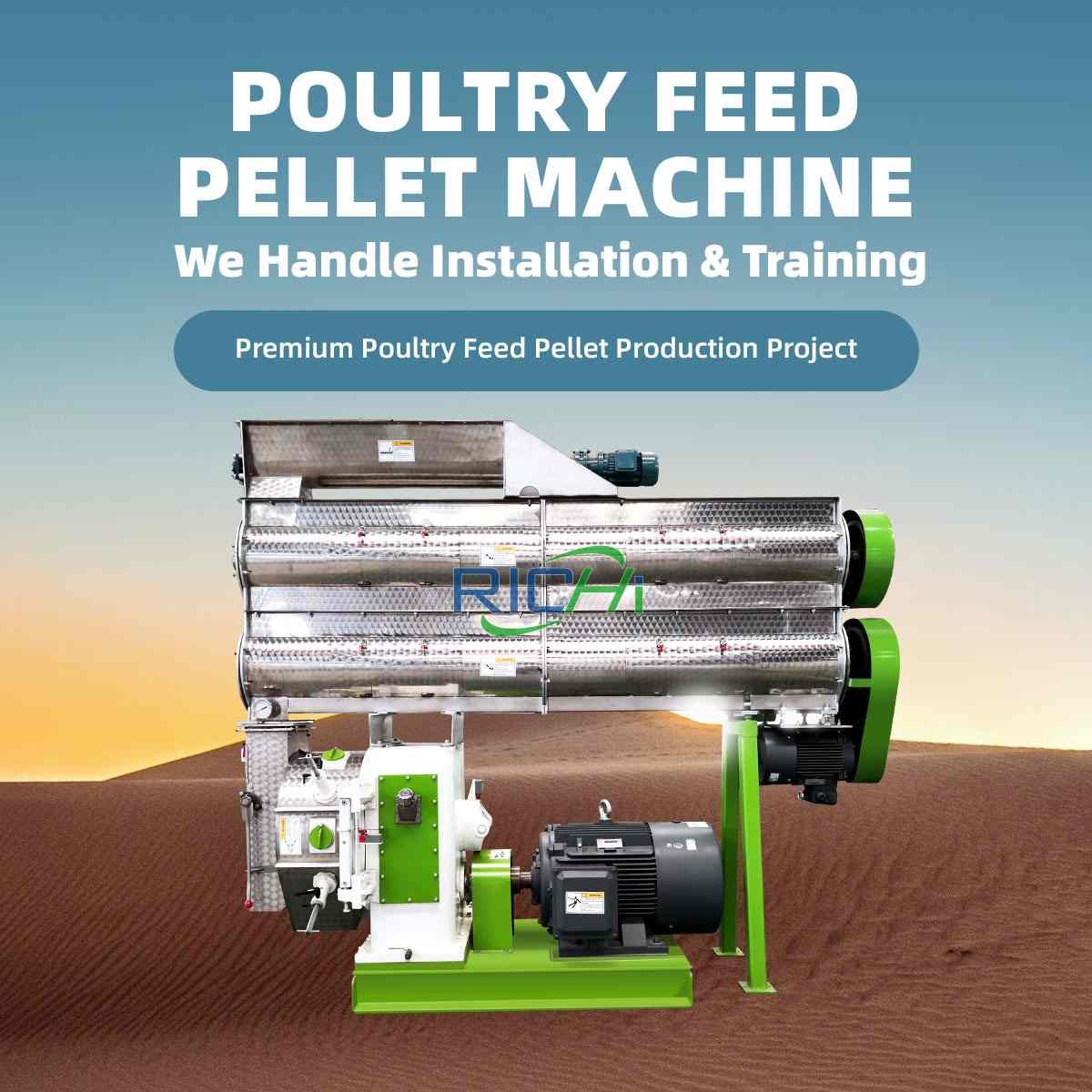
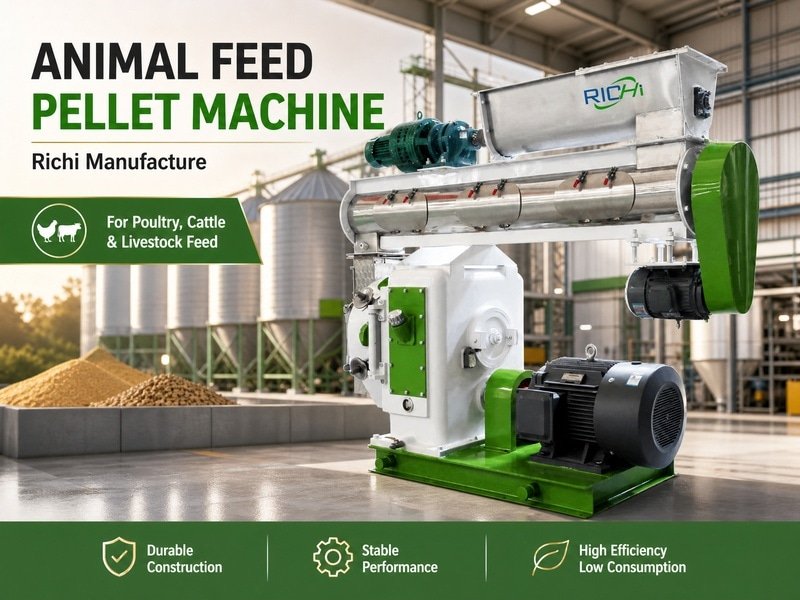
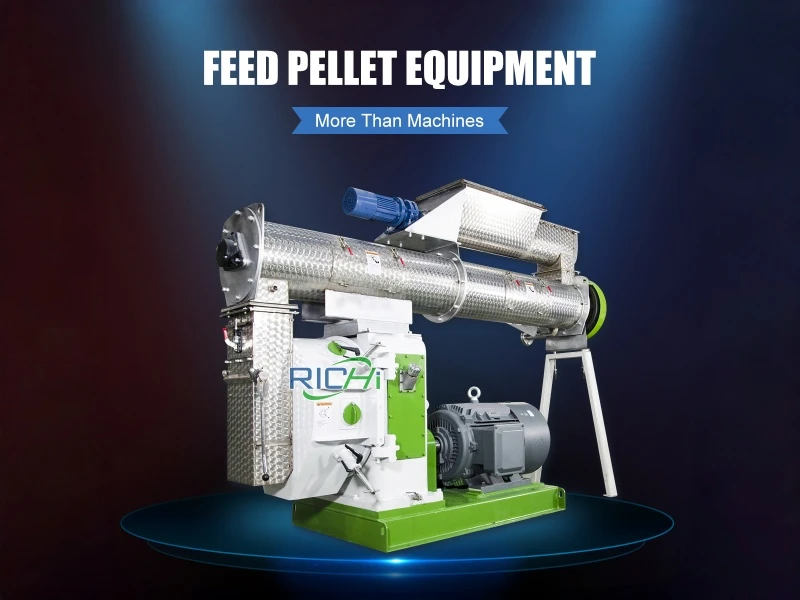
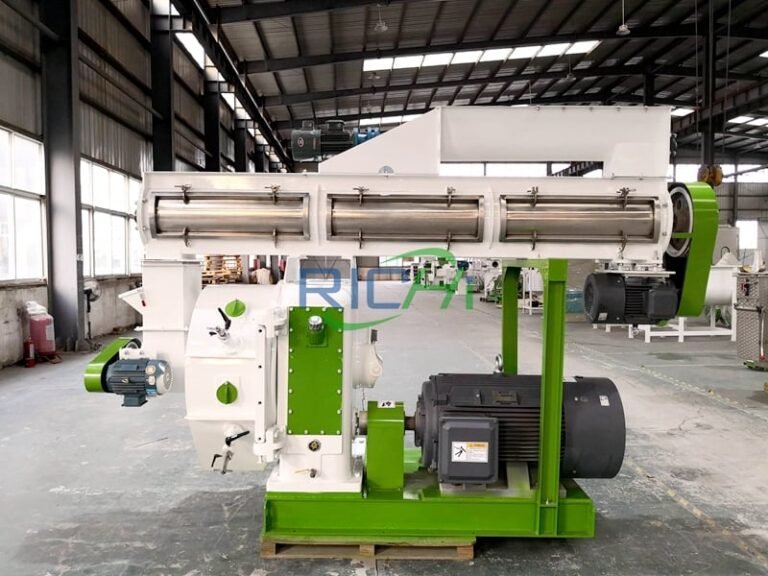
An alfalfa pellet machine for sale provides an effective solution for converting alfalfa and other forage materials into compact feed pellets. Through mechanical compression technology, these machines improve feed density, reduce storage requirements, and help preserve the nutritional value of raw materials.
Alfalfa pellets are widely used in dairy farming, horse feed production, sheep farming, and other livestock industries. With professional pelletizing equipment, manufacturers can create consistent products while improving production efficiency.
Why Alfalfa Pellet Machines Are Important
Improving Feed Storage and Transportation
Fresh alfalfa has high moisture content and requires proper preservation methods. Loose forage materials often occupy large storage areas and can be difficult to transport.
Pelletizing alfalfa provides several advantages:
- Higher material density
- Reduced storage space
- Easier transportation
- Longer storage performance
By converting forage into pellets, businesses can improve logistics efficiency and reduce handling costs.
Maintaining Nutritional Value
Alfalfa is naturally rich in protein, fiber, vitamins, and minerals, making it a valuable feed ingredient.
A professional pellet machine helps maintain the nutritional characteristics of alfalfa by providing controlled processing conditions.
High-quality alfalfa pellets can provide:
- Balanced animal nutrition
- Convenient feeding methods
- Reduced feed waste
- Improved feed management
How Alfalfa Pellet Machines Work
Raw Material Preparation
Before pellet production, alfalfa materials require proper preparation.
The preparation process may include:
- Drying fresh forage
- Cutting long fibers
- Removing impurities
- Adjusting moisture levels
Proper preparation ensures better pellet formation and improves machine performance.
Pelletizing Process
After preparation, alfalfa enters the pelletizing chamber. The machine applies mechanical pressure to compress the material through a die.
During this process, loose forage is transformed into dense pellets with:
- Uniform size
- Improved durability
- Better handling performance
- Stable quality
The pelletizing process allows manufacturers to produce standardized feed products for commercial markets.
Cooling and Screening
After pellet formation, pellets need cooling to stabilize their structure.
Screening equipment separates broken particles from finished pellets, ensuring consistent product quality before packaging.
Advantages of Using Alfalfa Pellet Machines
Increased Feed Production Efficiency
Traditional forage processing methods may require significant manual labor and storage space.
Modern pellet equipment improves production efficiency by providing:
- Continuous operation
- Automated processing
- Stable output
- Reduced labor requirements
This makes pellet production suitable for both small farms and commercial feed factories.
Flexible Raw Material Applications
Alfalfa pellet machines can process various forage materials, including:
- Alfalfa
- Grass
- Hay
- Straw
- Other agricultural residues
This flexibility allows producers to utilize locally available resources effectively.
Improved Feed Management
Pelletized feed provides better control over feeding processes.
Benefits include:
- Reduced material separation
- Easier measurement
- Less feed waste
- Improved animal feeding efficiency
Grass Pellet Machine for Feed Production
Processing Grass into Valuable Feed Products
Grass is another important forage resource used in livestock production. However, loose grass can be difficult to store and transport efficiently.
A grass pellet machine for sale allows manufacturers to transform grass materials into compact feed pellets with improved usability.
Grass pellets are commonly used for:
- Cattle feed
- Horse feed
- Sheep feed
- Other livestock applications
Benefits of Grass Pellet Production
Grass pelletizing provides several advantages:
- Better storage efficiency
- Convenient transportation
- Reduced feed losses
- Extended product shelf life
This technology helps farmers and feed producers improve resource utilization.
Factors to Consider When Choosing Pellet Equipment
Raw Material Characteristics
Different forage materials require different processing conditions.
Important factors include:
- Moisture content
- Fiber structure
- Particle size
- Material freshness
Understanding raw material characteristics helps determine the correct equipment configuration.
Production Capacity Requirements
The required output capacity influences equipment selection.
Small farms may need compact machines, while commercial feed producers require larger systems for continuous production.
Choosing the appropriate capacity improves investment efficiency and operational performance.
Equipment Quality and Service
Reliable equipment is essential for long-term operation.
Manufacturers should consider:
- Machine durability
- Energy consumption
- Maintenance requirements
- Technical support
Professional suppliers can provide customized solutions according to production requirements.
Complete Analysis of Alfalfa Pellet Production
For businesses planning investment projects, a Full Report on alfalfa pellet production should include:
Market Demand Analysis
The growing livestock industry continues increasing demand for high-quality forage feed products.
Alfalfa and grass pellets provide convenient solutions for farms requiring stable feed supply.
Production Process Evaluation
A complete analysis should evaluate:
- Raw material availability
- Equipment configuration
- Production capacity
- Operating costs
This helps businesses develop practical production plans.
Investment Benefits
Alfalfa pellet production can provide economic benefits by:
- Increasing raw material value
- Reducing storage costs
- Expanding product opportunities
- Improving feed supply stability
Choosing Reliable Alfalfa Pellet Equipment
Selecting experienced equipment manufacturers is important for establishing successful pellet production projects.
Professional suppliers can provide:
- Production line design
- Equipment recommendations
- Installation support
- Technical training
When selecting equipment from Richi Pellet Machine, businesses can evaluate solutions based on production requirements, material characteristics, and expected output.
Building a Complete Forage Pellet Production System
A complete forage pellet production system may include:
- Raw material preparation
- Crushing and grinding
- Moisture adjustment
- Pelletizing process
- Cooling system
- Screening equipment
- Packaging system
An integrated production system improves efficiency and provides better control over product quality.
Future Development of Forage Pellet Technology
The forage pellet industry is moving toward automation, energy efficiency, and intelligent production management.
Future development trends include:
- Automated production control
- Improved processing efficiency
- Better quality monitoring
- Customized feed solutions
As livestock farming continues expanding, demand for efficient forage pellet production equipment will continue increasing.
Conclusion
An alfalfa pellet machine for sale provides an efficient way to convert forage materials into high-quality feed pellets. By improving storage efficiency, transportation convenience, and feed management, pelletizing technology creates valuable solutions for modern livestock production.
With a suitable grass pellet machine for sale and reliable equipment support from Richi Pellet Machine, businesses can establish efficient forage pellet production systems and achieve long-term benefits in the animal feed industry.
View details: https://www.richimanufacture.com/alfalfa-pellet-machine-for-sale/