
Introduction: Opportunities in the Growing Aquaculture Feed Market
Aquaculture has become one of the fastest-growing sectors in the global food industry. With increasing demand for fish, shrimp, and other aquatic products, more investors are exploring opportunities in commercial aquaculture and related industries. Among these opportunities, starting an aquatic feed production business has attracted significant attention because feed is one of the most essential inputs in fish farming.
High-quality feed directly affects aquatic animal growth, survival rate, feed conversion efficiency, and overall farming profitability. As aquaculture farms expand, the demand for reliable, nutritious, and cost-effective feed continues to increase. This creates excellent business opportunities for entrepreneurs who can provide professional aquatic feed products.
However, building a successful aquatic feed production business requires more than purchasing machines and producing pellets. Investors need to understand market demand, raw material availability, production technology, equipment selection, quality control, and customer development strategies.
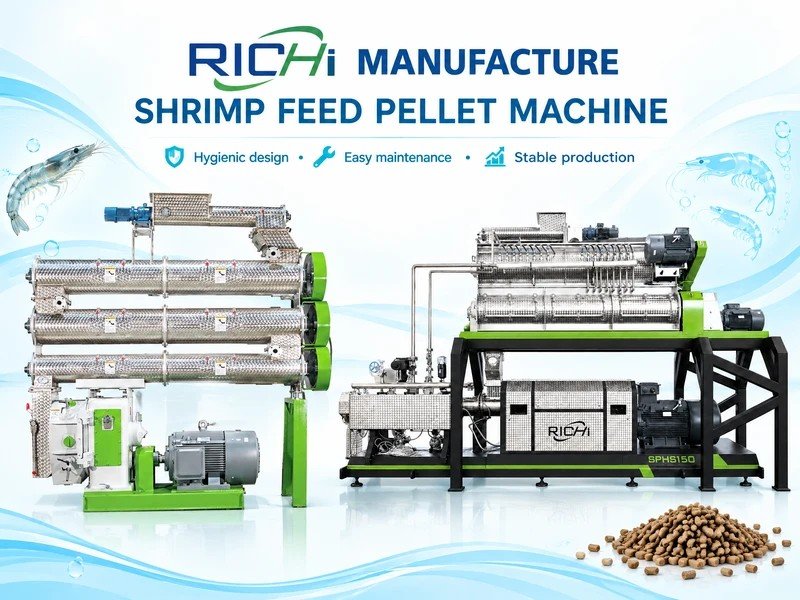
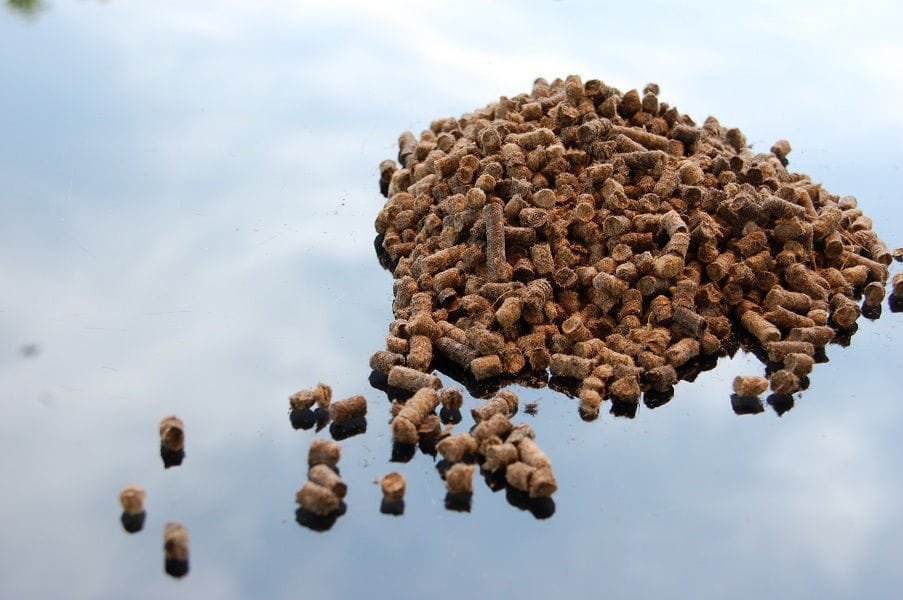
A modern aquatic feed factory usually relies on advanced processing technologies to produce floating, sinking, and slow-sinking feed products. Among these technologies, the floating fish feed extrusion machine plays a key role in manufacturing high-quality floating pellets with good water stability, excellent digestibility, and consistent size.
By developing a well-planned production system and choosing suitable equipment, investors can establish a profitable aquatic feed business and provide valuable support to the growing aquaculture industry.
Understanding the Aquatic Feed Production Business
Before investing in an aquatic feed production plant, it is important to understand how the industry operates. Aquatic feed manufacturers produce formulated feed designed specifically for different aquatic species, including fish, shrimp, and other aquatic animals.
Unlike ordinary animal feed, aquatic feed requires special characteristics because it is used in water environments. The feed must maintain its structure after entering water, provide balanced nutrition, and minimize nutrient loss.
The main products in the aquatic feed market include:
- Floating fish feed
- Sinking fish feed
- Slow-sinking feed
- Shrimp feed
- Specialty aquatic feed
Different products target different farming systems and species. For example, floating feed is widely used in surface-feeding fish farming because farmers can easily observe feeding behavior and control feed consumption.
The success of an aquatic feed production business depends on producing feed that meets customer expectations in terms of:
- Nutritional value
- Pellet quality
- Water stability
- Feed conversion efficiency
- Competitive pricing
Understanding these requirements helps investors develop the right production strategy.
Conducting Market Research Before Investment
Market research is one of the first steps when starting an aquatic feed production business. Investors need to analyze local and regional aquaculture development, customer demand, and competitive conditions.
Important questions to consider include:
- Which aquatic species are commonly farmed in the target market?
- What type of feed do local farmers use?
- How large is the demand for commercial feed?
- Are there existing feed suppliers?
- What are customers’ expectations regarding price and quality?
For example, regions with intensive tilapia farming may have strong demand for floating fish feed, while shrimp farming areas may require highly water-stable feed products.
Understanding customer needs allows investors to select suitable production capacity and feed formulas.
Market research should also include raw material availability. Since feed production relies heavily on ingredients such as fish meal, soybean meal, corn, wheat, rice bran, and other nutritional components, stable access to raw materials is essential for long-term operation.
Choosing the Right Production Capacity
The production capacity of an aquatic feed factory should match market demand and future development plans.
Small-scale feed plants may focus on supplying nearby farms, while large commercial factories may serve regional or international markets.
Common factors affecting capacity selection include:
- Target customer groups
- Investment budget
- Expected sales volume
- Raw material supply
- Future expansion plans
A small startup may begin with a compact production line to test the market, while established companies may invest in high-capacity automatic production systems.
Choosing the correct capacity helps avoid two common problems:
- Insufficient production capacity that limits business growth
- Excessive investment that increases financial pressure
A professional equipment manufacturer can help design a production solution based on actual business goals.
Selecting Suitable Raw Materials for Aquatic Feed Production
Raw materials determine the nutritional quality and production cost of aquatic feed. Therefore, selecting reliable ingredients is a critical part of building a successful feed business.
Common ingredients include:
- Fish meal
- Soybean meal
- Corn
- Wheat flour
- Rice bran
- Wheat bran
- Vegetable protein sources
- Fish oil
- Vitamins and minerals
Protein sources are especially important because aquatic animals generally require higher protein levels compared with many terrestrial animals.
The selection of ingredients depends on:
- Target species
- Feed formula
- Local availability
- Cost considerations
For example, feed for carnivorous fish may require more animal protein, while omnivorous fish feed can include a higher proportion of plant-based ingredients.
A successful aquatic feed manufacturer must balance nutritional performance with production economics.
Designing the Aquatic Feed Production Process
A complete aquatic feed production process usually includes several stages, from raw material preparation to final packaging.
The first stage is raw material cleaning. Impurities such as metal particles, stones, and foreign materials must be removed to protect equipment and improve feed safety.
After cleaning, ingredients are crushed into smaller particles. Proper grinding improves mixing efficiency and helps create uniform feed pellets.
The crushed materials are then accurately measured and mixed according to the designed formula. A uniform mixture ensures that each pellet contains balanced nutrients.
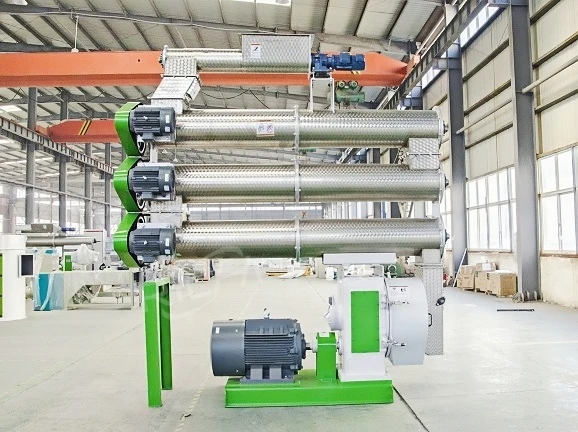
After mixing, the feed material enters the conditioning and extrusion stages. During conditioning, moisture and heat are added to improve processing performance. The extrusion process then transforms the mixture into stable pellets.
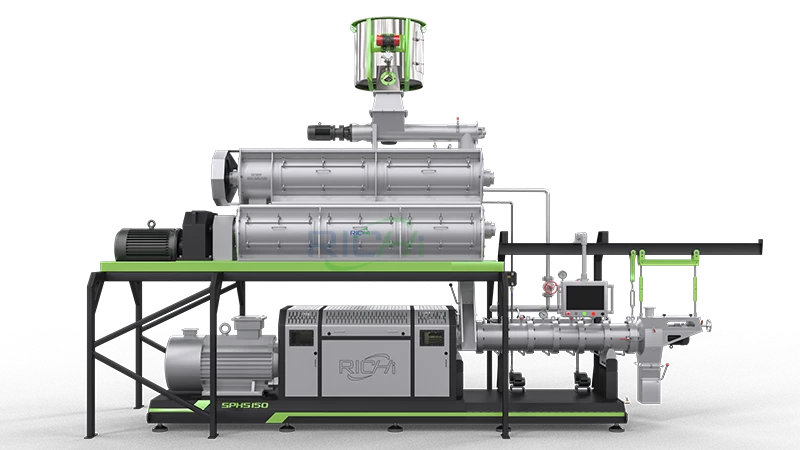
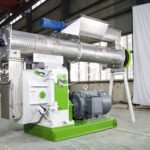
A modern floating fish feed extrusion machine uses controlled temperature, pressure, and mechanical forces to produce floating pellets with adjustable size and density.
After extrusion, the pellets are dried, cooled, screened, and packaged for storage and transportation.
A well-designed production process ensures consistent feed quality and improves manufacturing efficiency.
https://richipelletizer.com/floating-fish-feed-extruder-machine
Investing in a Floating Fish Feed Extrusion Machine
Extrusion technology is one of the most important parts of aquatic feed manufacturing. The quality of extrusion equipment directly influences pellet performance and production efficiency.
A floating fish feed extrusion machine is specifically designed to produce floating feed pellets by controlling expansion and density during processing.
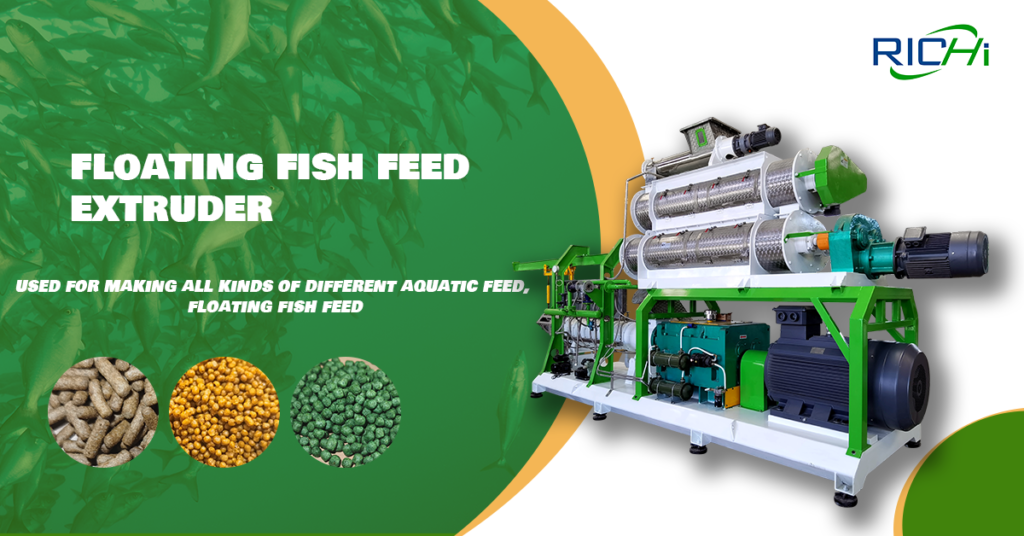
The advantages of using advanced extrusion equipment include:
- Excellent floating performance
- Improved nutrient digestibility
- Better pellet durability
- Reduced feed waste
- Adjustable pellet size
The machine can process various raw materials and produce feed suitable for different aquatic species.
When selecting extrusion equipment, investors should consider:
- Production capacity
- Energy consumption
- Automation level
- Equipment durability
- Maintenance requirements
High-quality extrusion equipment helps manufacturers produce stable products and build customer trust in competitive markets.
Building a Complete Aquatic Feed Production Line
Starting an aquatic feed business usually requires more than a single machine. A complete production line integrates multiple pieces of equipment to achieve efficient and continuous production.
A typical aquatic feed production line includes:
- Raw material cleaning equipment
- Crushing system
- Batching system
- Mixing machine
- Conditioner
- Floating fish feed extrusion machine
- Drying system
- Cooling system
- Screening equipment
- Packaging machine
Automation can further improve production efficiency by connecting different machines through centralized control systems.
Advantages of a complete production line include:
- Higher productivity
- More stable product quality
- Lower labor requirements
- Easier production management
For investors planning long-term growth, a complete production solution provides a stronger foundation than purchasing individual machines separately.
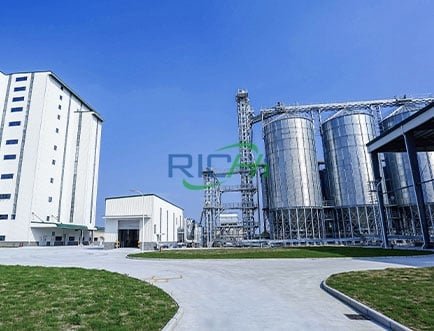
(Learn more about modern aqua feed plant)
Establishing Quality Control Standards
Quality control is essential for building a successful aquatic feed brand. Customers expect feed products that deliver stable growth performance and reliable results.
A professional feed factory should monitor:
Nutritional Quality
Feed should meet the required levels of:
- Protein
- Fat
- Fiber
- Minerals
- Vitamins
Physical Quality
Important characteristics include:
- Pellet size
- Pellet hardness
- Floating time
- Water stability
Safety Quality
Manufacturers should ensure raw materials and finished products meet safety standards.
Consistent quality helps improve customer satisfaction and encourages long-term cooperation with aquaculture farms.
Developing Customers and Building Sales Channels
Producing high-quality feed is only one part of running a successful business. Developing effective sales channels is equally important.
Potential customers include:
- Fish farms
- Shrimp farms
- Aquaculture cooperatives
- Feed distributors
- Agricultural supply companies
Marketing strategies may include:
- Direct sales to farms
- Distributor partnerships
- Online promotion
- Industry exhibitions
- Technical support services
Providing feeding recommendations and technical assistance can help manufacturers build stronger relationships with customers.
In the competitive feed market, companies that provide both quality products and professional services often achieve better customer loyalty.
Managing Operating Costs and Profitability
Cost management is essential for maintaining profitability in the aquatic feed business.
Major expenses include:
- Raw materials
- Equipment investment
- Electricity consumption
- Labor costs
- Maintenance expenses
- Packaging costs
Improving efficiency can reduce production costs through:
- Optimized feed formulas
- Automated production systems
- Energy-efficient equipment
- Better raw material management
Although the initial investment in an aquatic feed production plant can be significant, efficient operation and stable market demand can provide attractive long-term returns.
Future Development Potential of Aquatic Feed Production
The aquatic feed industry has strong growth potential due to increasing global seafood consumption and continued expansion of aquaculture.
Future trends include:
- More automated production systems
- Sustainable feed ingredients
- Improved feed formulas
- Intelligent factory management
- Energy-efficient processing technologies
As farmers demand higher-quality feed products, professional aquatic feed manufacturers will have more opportunities to expand their businesses.
Investors who combine advanced equipment, scientific production methods, and effective market strategies will be better positioned to succeed.
Conclusion: Building a Successful Aquatic Feed Production Business
Starting an aquatic feed production business requires careful planning, market understanding, and investment in reliable technology. From selecting raw materials and designing production processes to choosing suitable equipment and developing customers, every step influences business success.
Modern extrusion technology provides a powerful solution for producing high-quality aquatic feed. A floating fish feed extrusion machine enables manufacturers to create durable, nutritious, and efficient floating pellets that support better aquaculture performance.
With the continuous growth of the aquaculture industry, the demand for professional feed products will continue to increase. By establishing an efficient production system and focusing on quality, innovation, and customer service, entrepreneurs can build a competitive aquatic feed business and achieve sustainable growth in the global market. (Richi Pelletizer)