
As industries around the world continue to search for renewable raw materials, hemp has become one of the fastest-growing biomass resources. Known for its rapid growth, strong fiber structure, and impressive environmental benefits, industrial hemp is now widely used in biofuel, animal bedding, biomass heating, organic fertilizer, and industrial materials. As production increases, efficient processing equipment has become essential for converting harvested hemp into high-value products.
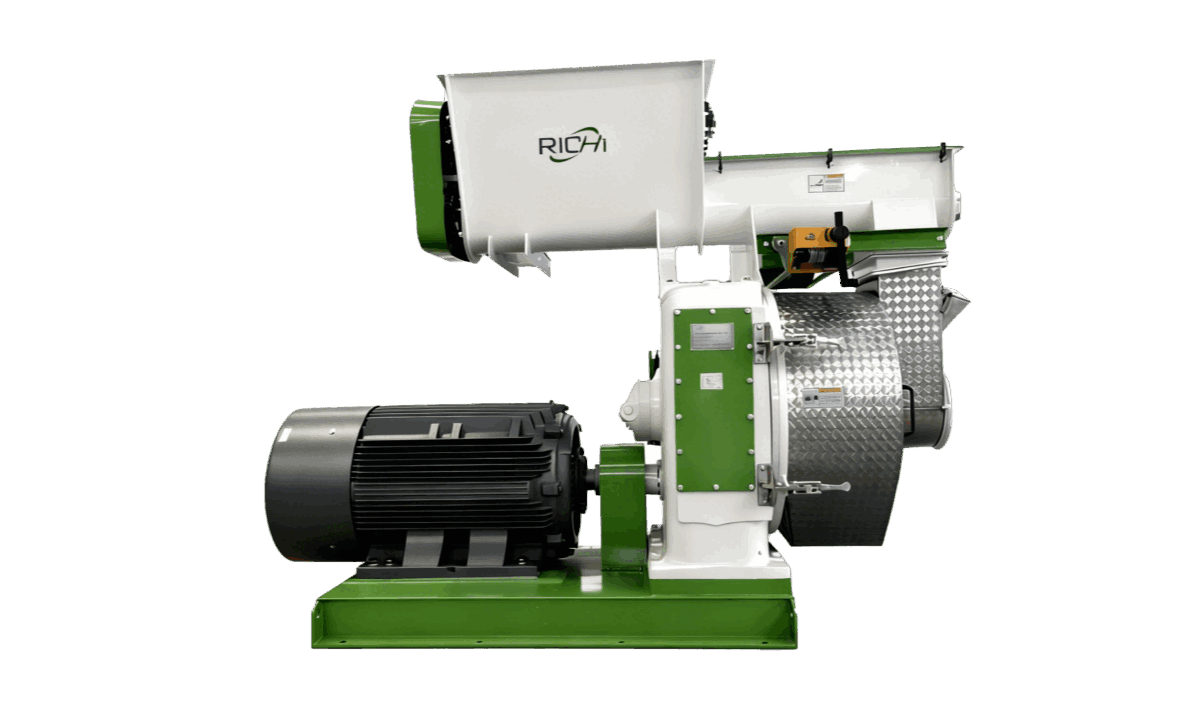
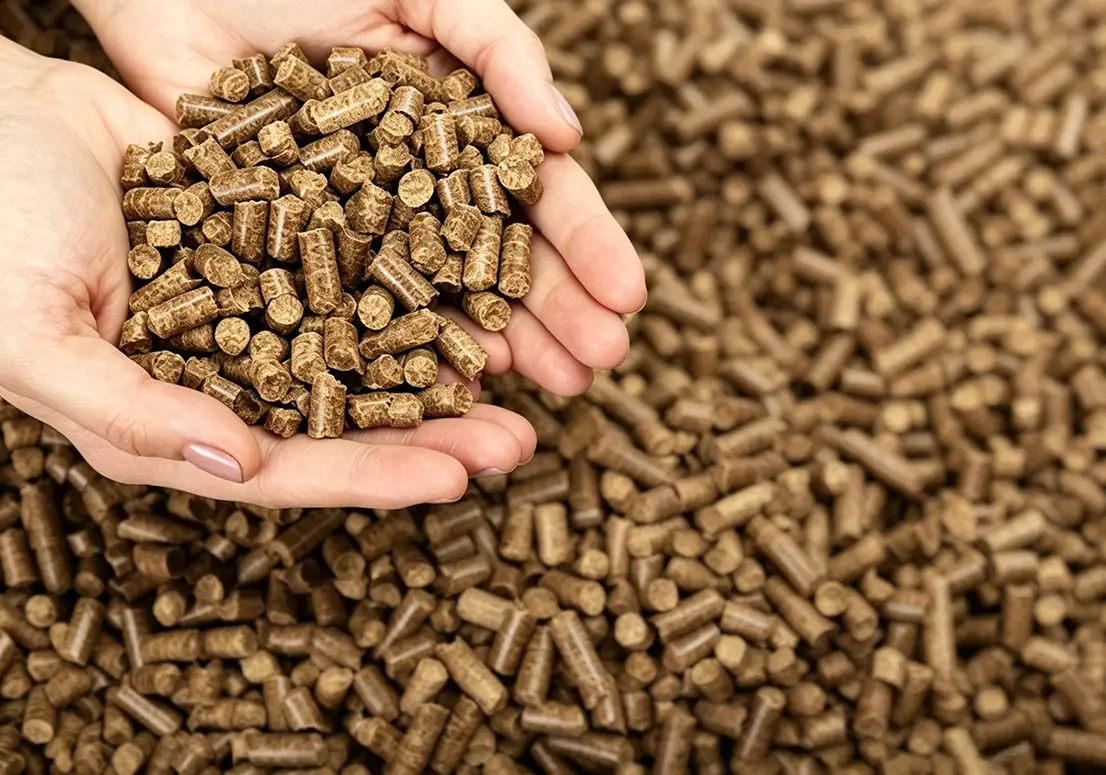
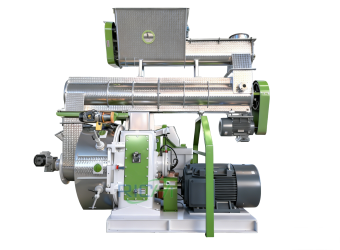
The Hemp pellet machine has become an important solution for businesses looking to process hemp stalks, leaves, and other plant residues into compact, durable pellets. Compared with loose biomass, pellets are easier to transport, require less storage space, burn more efficiently, and provide a more consistent product for commercial markets.
With increasing demand for sustainable energy and environmentally friendly materials, hemp pellet production is expected to become an important part of the global biomass industry over the coming years.
Why Industrial Hemp Is an Excellent Biomass Material
Unlike many traditional crops, industrial hemp grows quickly and requires relatively low amounts of pesticides and herbicides. In many regions, it can be harvested within four to five months, making it an attractive renewable resource.
After harvesting, different parts of the hemp plant can be used for different industries.
The seeds are commonly processed into food products and oils.
The flowers may be used for industrial extraction depending on local regulations.
The stalks provide long fibers for textiles, paper, and construction materials.
After fiber separation, the remaining woody core and processing residues become excellent raw materials for pellet production.
Instead of being discarded, these materials can be transformed into valuable biomass fuel or animal bedding, creating additional revenue for producers.
Advantages of Hemp Pellets
Hemp pellets offer numerous advantages compared with loose biomass.
One of the biggest benefits is higher density. Pelletizing significantly reduces storage volume, making transportation more economical.
Another advantage is consistent moisture content. Properly manufactured pellets are easier to store and less likely to deteriorate during long-term storage.
For biomass heating applications, hemp pellets provide stable combustion and relatively low ash production when processed correctly.
Animal farms also use hemp pellets as bedding because they absorb moisture effectively, reduce odors, and create cleaner stable conditions.
These diverse applications continue driving demand for efficient pellet production systems.
The Production Process
Although hemp possesses excellent natural characteristics, high-quality pellets require a carefully controlled manufacturing process.
Harvested hemp stalks are first transported to the processing facility.
Large stalks are cut into smaller pieces before entering a hammer mill for further size reduction.
Uniform particle size is important because oversized materials reduce pellet quality and increase equipment wear.
After grinding, the material is dried if necessary.
Maintaining proper moisture content is critical for achieving durable pellets.
Material that is too dry may crack after pelletizing, while excessive moisture can reduce pellet strength and increase energy consumption.
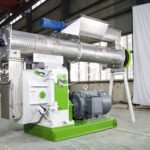
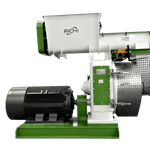
The conditioned material then enters the pellet mill.
Under high pressure, rollers force the biomass through the ring die, where cylindrical pellets are formed.
Fresh pellets leave the machine at elevated temperatures and are transferred to a cooling system before screening and packaging.
Each production stage contributes to the quality of the finished product.
Selecting the Right Equipment
Different production capacities require different machine configurations.
Small agricultural businesses may only require one or two tons of hourly output.
Commercial biomass producers often operate lines producing five to ten tons per hour.
Large export-oriented factories may require multiple pellet mills working simultaneously.
Many growing biomass companies choose a 5 tph sunflower shell pellet mill because similar heavy-duty equipment is capable of handling fibrous agricultural materials while maintaining stable production and excellent pellet quality.
When selecting machinery, investors should evaluate not only production capacity but also energy consumption, maintenance costs, spare parts availability, and automation level.
Choosing reliable equipment often provides greater long-term value than simply selecting the lowest purchase price.
Automation Improves Manufacturing Efficiency
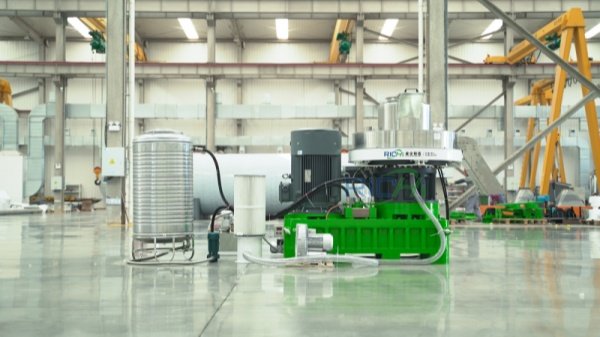
Modern pellet factories rely increasingly on intelligent automation.
Automatic feeding systems maintain stable material flow into the pellet mill.
Sensors monitor motor load, bearing temperature, production output, and moisture levels throughout the manufacturing process.
If operating conditions begin to change, the control system automatically adjusts production parameters to maintain consistent pellet quality.
Automation reduces labor requirements while minimizing human error.
It also helps protect valuable equipment from overload, extending service life and lowering maintenance costs.
Production data can be stored electronically, allowing managers to analyze operating efficiency and optimize future production schedules.
A Practical Project Example
A renewable energy company in Eastern Europe recognized increasing demand for biomass fuel as local governments encouraged cleaner heating solutions.
The company established a pellet production facility using hemp processing residues supplied by nearby industrial hemp growers.
The project was designed with a production capacity of approximately six tons per hour.
Its primary raw materials included:
- Hemp hurd – 55%
- Hemp stalk fibers – 25%
- Sawdust – 15%
- Natural starch binder – 5%
The finished pellets were supplied to commercial heating companies, greenhouses, and industrial boilers.
After one year of operation, transportation costs had been reduced significantly because pellet density was much higher than loose biomass.
Customers also appreciated the consistent pellet size and stable combustion performance.
The project demonstrated how agricultural residues could become profitable renewable energy products instead of waste.
Maintenance for Long-Term Performance
Reliable production depends on regular equipment maintenance.
Operators should inspect rollers, dies, bearings, lubrication systems, and electrical components on a routine basis.
Keeping the pellet chamber clean helps prevent material buildup and improves production stability.
Replacing worn parts before failure reduces downtime and protects other components from unnecessary damage.
Professional maintenance schedules also improve equipment lifespan and lower operating costs over many years of continuous production.
Future Opportunities for Hemp Pellet Production
Industrial hemp cultivation continues expanding in many countries due to growing interest in sustainable agriculture and renewable materials.
As more processing facilities are established, demand for efficient pellet manufacturing equipment will continue increasing.
New developments in automation, energy-saving technologies, and intelligent production management are expected to make pellet plants even more efficient in the future.
Companies that invest in advanced engineering solutions today will be better prepared to meet tomorrow’s market demands while maintaining competitive production costs.
Complete production systems developed by pellet mill manufacturers continue supporting this transition through improved mechanical design, higher efficiency, and reliable long-term performance.
For investors interested in learning more about biomass processing technologies, successful project cases, or equipment selection methods, additional industry resources can be found through check my source, where technical information and engineering experience are regularly shared.
As renewable energy markets continue growing, hemp pellet production will remain an increasingly attractive investment for agricultural processors, biomass companies, and clean energy developers seeking sustainable business opportunities.
Related Post: https://pelletizerequipment.com/corn-stalk-pellet-machine/