

Introduction
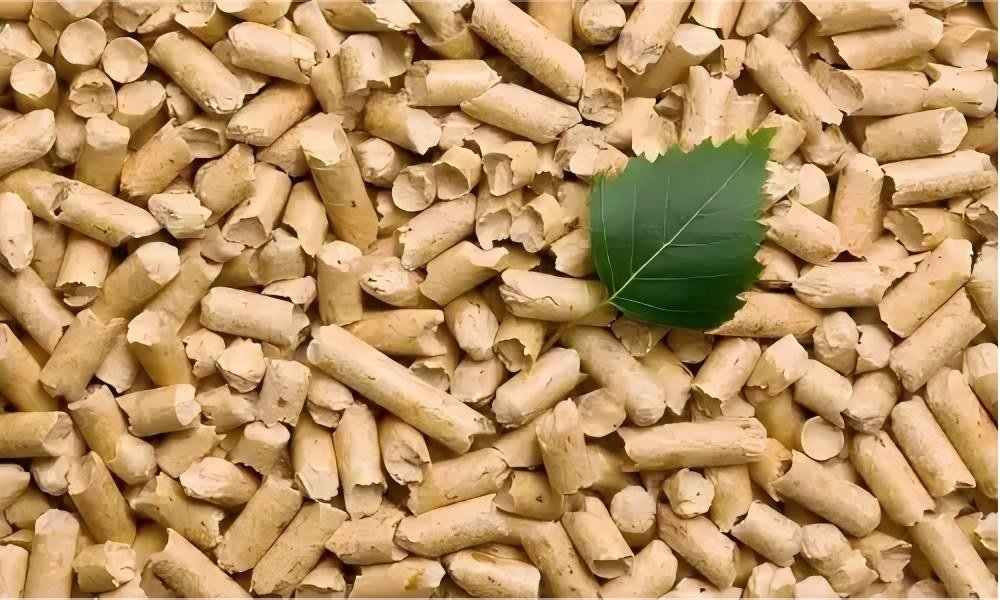
Agricultural activities generate enormous volumes of biomass residues every year. Traditionally, much of this material has been treated as waste—burned in fields, left to rot, or discarded in landfills. However, with the rapid development of renewable energy technologies, these residues are now being recognized as valuable raw materials for biomass pellet production.
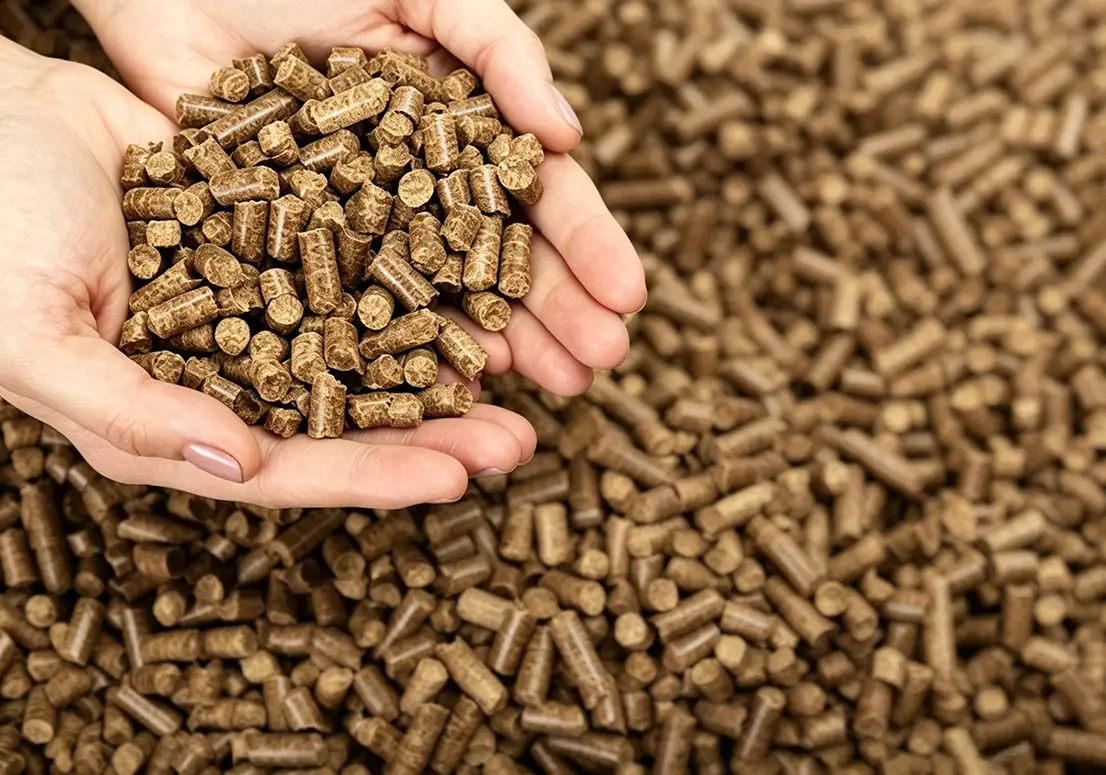
Turning agricultural waste into pellets not only solves environmental pollution problems but also creates a stable and efficient renewable fuel source. Through mechanical processing systems such as crushers, dryers, and pelletizing equipment, almost all types of crop residues can be converted into dense energy pellets.
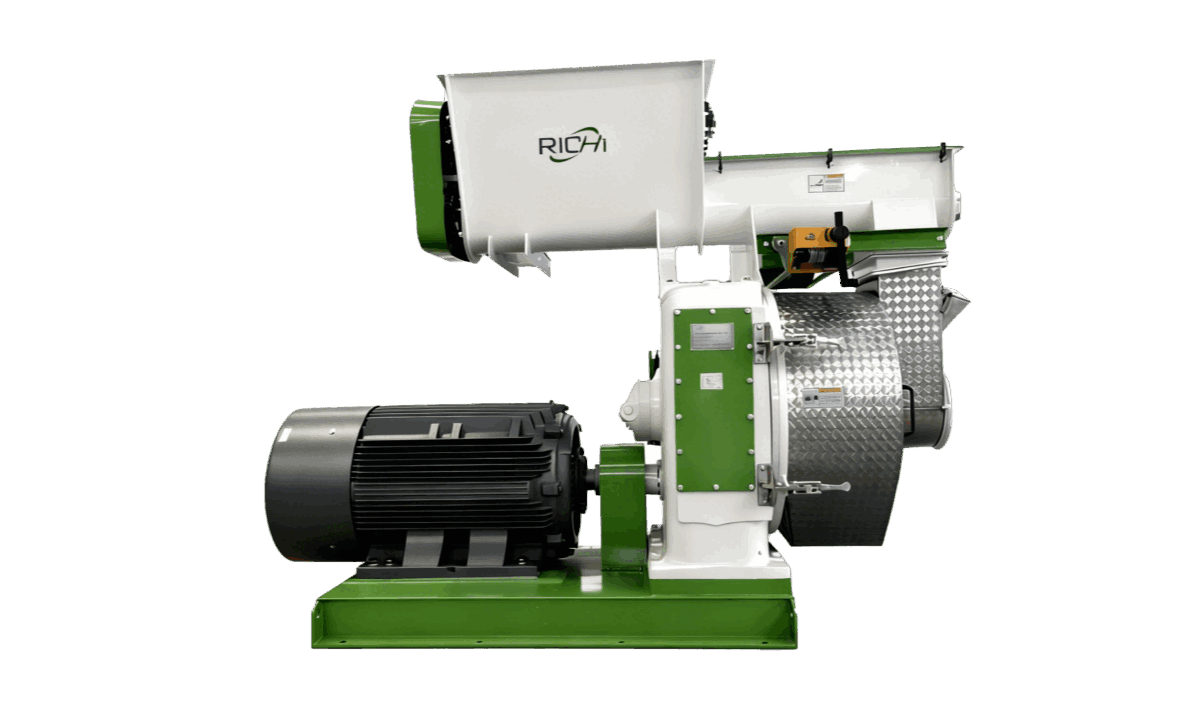
Among these systems, machines like a straw pellet mill for sale play a central role in transforming low-density straw into high-quality biomass fuel. This article explores what types of agricultural waste can be turned into pellets, how the process works, and why it is becoming increasingly important in the global clean energy transition.
1. Why Agricultural Waste Is Suitable for Pellet Production
Agricultural waste is one of the most abundant biomass resources on Earth. It is renewable, widely distributed, and relatively inexpensive.
Key reasons it is ideal for pelletizing:
- High availability across all agricultural regions
- Renewable and carbon-neutral nature
- Suitable lignocellulosic composition
- Low raw material cost
- Diverse types of usable biomass
When properly processed, agricultural residues can achieve high combustion efficiency comparable to traditional fossil fuels.
2. Straw: The Most Common Raw Material for Pellets
Straw is the most widely used agricultural waste for pellet production. It includes:
- Wheat straw
- Rice straw
- Barley straw
- Oat straw
- Corn stalks and leaves
Straw is rich in cellulose and hemicellulose, making it ideal for densification.
Challenges of straw:
- Low bulk density
- High moisture variation
- Fibrous structure that resists compression
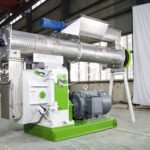
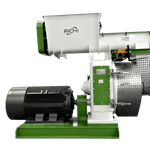
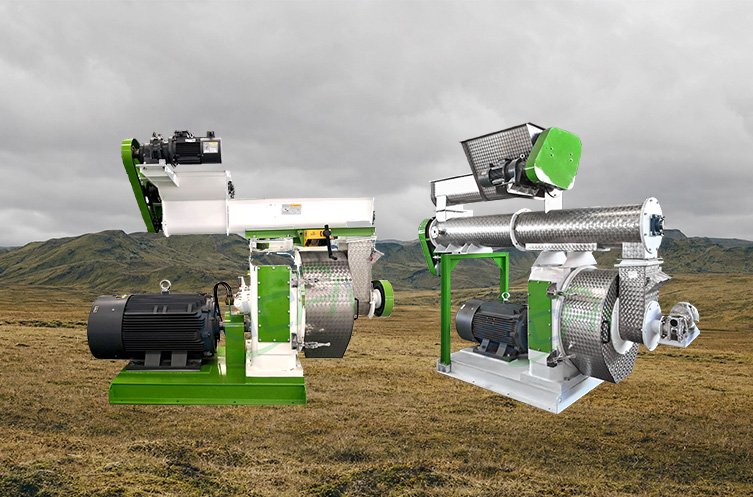
This is where a straw pellet mill for sale becomes essential. It compresses chopped straw under high pressure, forming uniform cylindrical pellets with improved energy density and combustion stability.
Advantages of straw pellets:
- Easy storage and transport
- High calorific value compared to raw straw
- Reduced smoke emissions
- Suitable for industrial boilers and heating systems
Straw pellets are widely used in Europe, China, and parts of North America for renewable heating and co-firing with coal.
3. Rice Husk and Rice Straw
Rice production generates two major types of residues:
- Rice husk (outer shell of rice grain)
- Rice straw (stalk left after harvest)
Rice husk characteristics:
- High silica content
- Hard and abrasive
- Difficult to decompose naturally
Rice straw characteristics:
- Fibrous and lightweight
- High moisture content after harvest
Both can be converted into pellets, but require proper preprocessing such as drying and crushing.
Applications:
- Industrial boilers
- Biomass power plants
- Cement kiln fuel
Rice-based pellets are especially popular in Asia due to large-scale rice production.
4. Corn Stalks and Corn Cobs
Corn is one of the largest agricultural crops globally, producing massive amounts of residue.
Types of corn waste:
- Corn stalks
- Corn leaves
- Corn cobs
- Husks
Corn residues are highly suitable for pelletizing because they contain a balanced mix of cellulose and lignin, which helps binding during compression.
Benefits of corn-based pellets:
- Good combustion performance
- High energy output
- Abundant supply in major agricultural regions
Corn stalk pellets are widely used in rural heating systems and industrial fuel applications.
(Related machine: efficient corn stalk pellet machine)
5. Sugarcane Bagasse and Leaves
Sugarcane processing generates large volumes of fibrous waste known as bagasse.
Characteristics of bagasse:
- High moisture content
- Fibrous structure
- Moderate calorific value
Advantages of pelletizing bagasse:
- Reduces storage volume
- Improves combustion efficiency
- Enables transport over long distances
Sugarcane pellets are commonly used in tropical countries for electricity generation and industrial heating.
6. Wheat Bran and Other Grain By-products
In addition to field residues, grain processing by-products can also be pelletized.
Examples include:
- Wheat bran
- Rice bran
- Corn flour residues
- Soybean hulls
These materials are often used in animal feed, but they can also be blended into biomass fuel pellets.
Benefits:
- High nutrient residue content
- Easy to bind during pelletizing
- Useful as supplementary biomass fuel
When mixed with straw or wood waste, these materials improve pellet quality and durability.
7. Peanut Shells, Sunflower Husks, and Nut Waste
Oilseed crops generate significant shell waste:
- Peanut shells
- Sunflower husks
- Walnut shells
- Almond shells
Characteristics:
- Hard texture
- High carbon content
- Low moisture after drying
These materials are excellent for producing high-energy biomass pellets.
Applications:
- Industrial boilers
- Biomass stoves
- Co-firing power plants
Nut-based pellets often have higher calorific value than straw-based pellets. (useful link)
8. Cotton Stalks and Agricultural Pruning Waste
Cotton farming produces large amounts of stalk waste after harvest.
Cotton stalk features:
- Woody structure
- Moderate lignin content
- Requires crushing before pelletizing
Other similar pruning wastes include:
- Orchard branches
- Vineyard trimmings
- Tea plant residues
These materials are increasingly used in biomass pellet production due to their high availability in agricultural regions.
9. Mixed Agricultural Waste Pellets
One of the most efficient approaches in modern biomass energy production is using mixed raw materials.
Common blends include:
- Straw + rice husk
- Corn stalk + soybean husk
- Bagasse + wood chips
- Wheat bran + straw
Advantages of mixing:
- Improved pellet durability
- Balanced moisture content
- Better combustion stability
- Reduced production cost
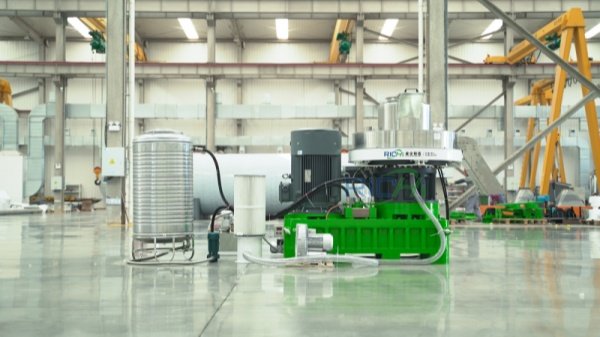
Mixed pellets are often produced in commercial facilities equipped with advanced systems, including the straw pellet mill for sale, crushers, dryers, and cooling systems.
10. The Pelletizing Process Explained
Turning agricultural waste into pellets involves several steps:
10.1 Collection
Raw materials are gathered from farms and processing facilities.
10.2 Crushing
Large residues are broken into small particles for easier processing.
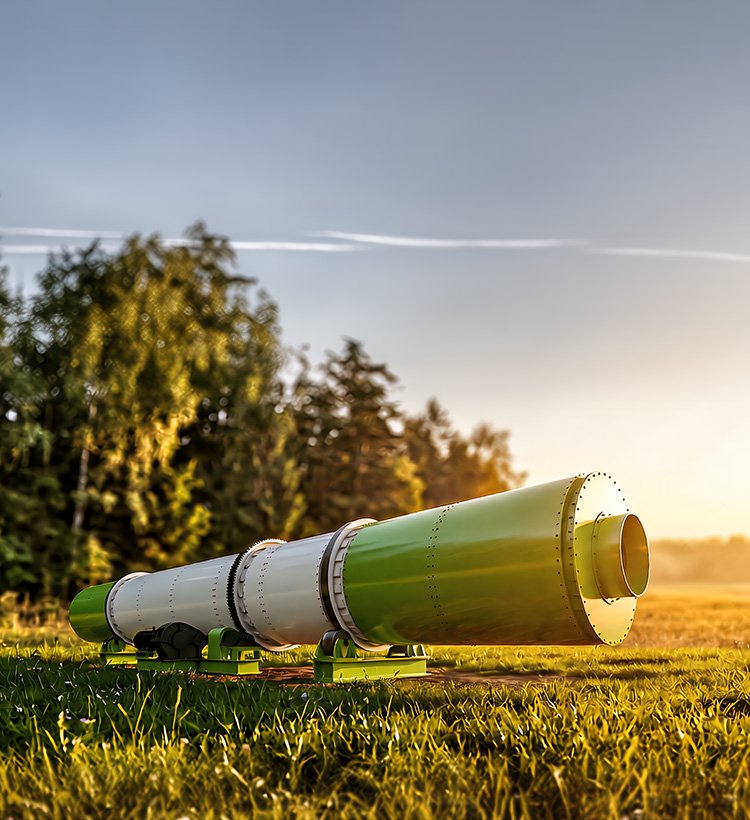
10.3 Drying
Moisture content is reduced to an optimal level (typically 10–15%).
10.4 Pelletizing
Materials are compressed in a pellet mill under high pressure. This is where machines like the straw pellet mill for sale are essential.
https://pelletisingmachine.com/straw-pellet-mill
10.5 Cooling
Fresh pellets are cooled to improve hardness and durability.
10.6 Packaging
Final pellets are stored or transported for energy use.
11. Why Pelletizing Agricultural Waste Matters
Agricultural waste pelletizing provides multiple benefits:
Environmental benefits:
- Reduces open-field burning
- Lowers greenhouse gas emissions
- Improves air quality
- Promotes circular economy
Economic benefits:
- Creates rural income opportunities
- Reduces fuel costs
- Supports biomass industry growth
Energy benefits:
- Provides renewable energy source
- Reduces dependence on coal and oil
- Improves energy security
12. Industrial Applications of Agricultural Waste Pellets
Agricultural pellets are widely used in:
Power generation
Co-firing with coal or full biomass power plants.
Industrial heating
Factories and manufacturing facilities use pellets for steam and heat production.
Residential heating
Pellet stoves provide efficient home heating in cold regions.
Export fuel markets
Countries with abundant agricultural waste export pellets to energy-demanding regions.
13. Challenges in Agricultural Waste Pellet Production
Despite strong advantages, several challenges remain:
Raw material logistics
Collecting scattered biomass is difficult and costly.
Seasonal supply
Agricultural waste is not available year-round in some regions.
Equipment investment
Machines like a straw pellet mill for sale require upfront capital investment.
Quality control
Different raw materials require precise moisture and particle size control.
However, technological advancements are continuously improving efficiency and reducing costs.
14. Future of Agricultural Waste Pellets
The global demand for renewable energy is expected to drive rapid growth in biomass pellet production.
Key trends include:
- Expansion of biomass power plants
- Increased government incentives
- Automation of pellet production lines
- International biomass trade growth
- Integration with carbon neutrality policies
Agricultural waste pellets are expected to become a major component of the global clean energy mix.
Conclusion
A wide variety of agricultural wastes can be successfully turned into pellets, including straw, rice husks, corn stalks, sugarcane bagasse, peanut shells, cotton stalks, and many more. These materials, once considered waste, are now valuable resources for clean and renewable energy production.
With the help of advanced equipment such as a straw pellet mill for sale, these residues can be efficiently transformed into high-density fuel pellets that support industrial heating, power generation, and residential energy needs.
Agricultural waste pelletizing not only reduces environmental pollution but also strengthens energy security and promotes sustainable economic development. As global demand for clean energy continues to rise, agricultural biomass pellets will play an increasingly important role in the future energy landscape.