
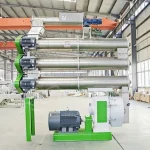

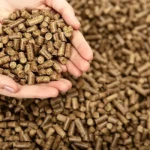
A poultry feed production line is best understood as a sequence of linked operations whose capacities and product specifications must agree. A plant making mash, pellets and chick crumbles cannot be designed around the pellet mill alone. Grinding, batching, mixing, liquid addition, conditioning, pelleting, cooling, crumbling, screening and packaging each influence the quality and throughput of the finished feed. The correct layout depends on the product portfolio, production scale, raw-material supply and the way the plant will change between formulas.
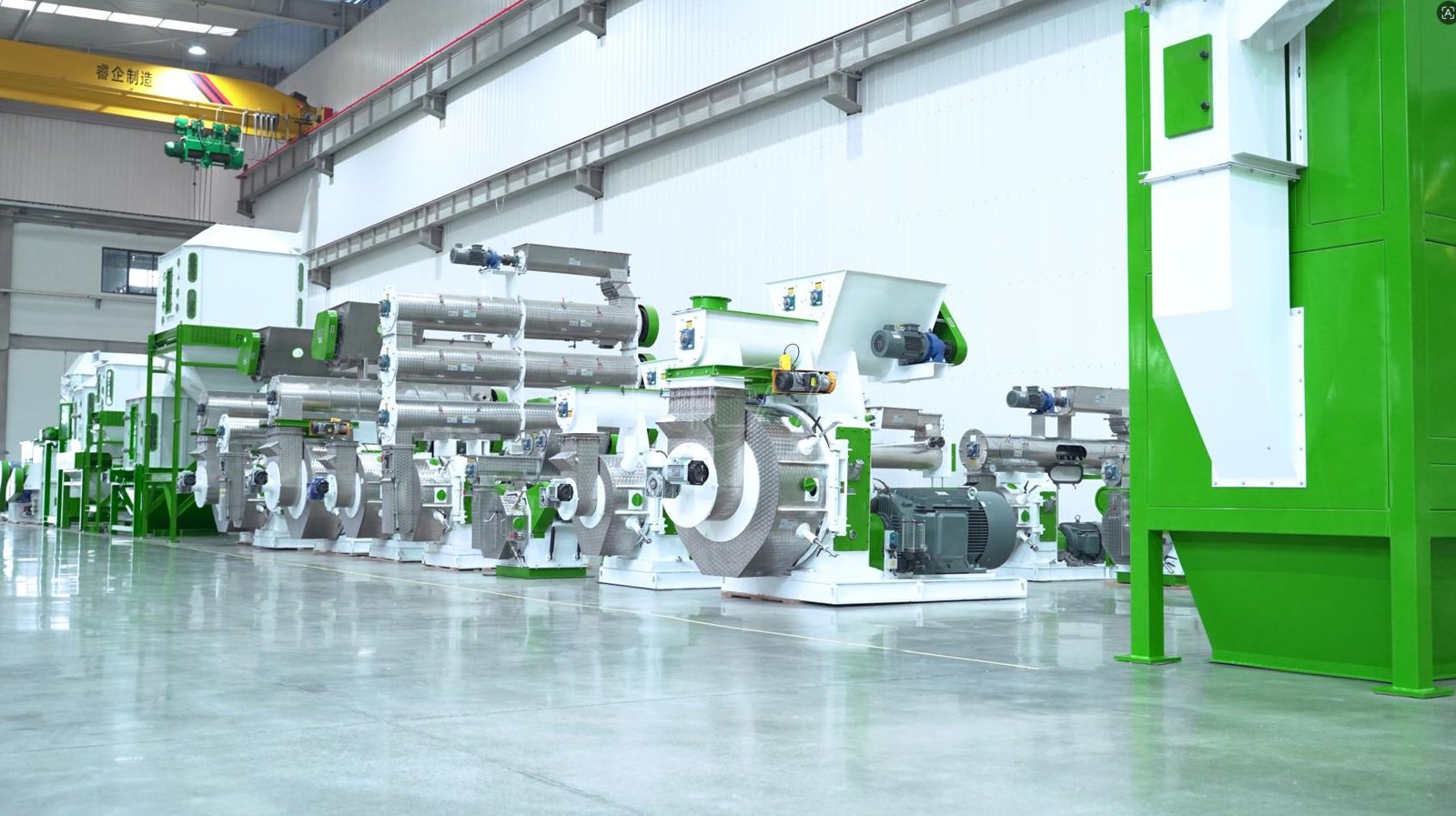
RICHI’s poultry feed production line information describes turnkey configurations from 1 to 100 t/h for mash, pellets and crumbles used for chickens, ducks, geese and other poultry. Project examples range from compact mash-and-pellet lines to PLC-controlled multi-bin systems for larger plants. The key design question is how to connect these process stages without creating bottlenecks, cross-contamination or unnecessary handling between product runs.
Define the Product Portfolio and Daily Production Pattern
List each finished feed product by animal type and growth stage. Chick starter, broiler grower, finisher and layer feed may differ in particle size, formula and physical form. Some customers need mash feed, others pellets, and some require crumbles for young birds. Ducks, geese and other poultry may require different formulas and pellet dimensions. The line should be designed around the products that will actually be manufactured, including the expected share of each product in a normal shift.
A production schedule is as important as the nameplate capacity. A plant that changes formula frequently may spend significant time on bin selection, line clearing and packaging changes. A plant running a few high-volume formulas may benefit from more automatic batching and dedicated storage. Estimate the batch sequence, changeover frequency, operating hours and peak dispatch demand before deciding how many bins, mixers and packing stations are required.
Set the product specifications before equipment selection. Define mash particle-size distribution, pellet diameter, crumble size, moisture, durability and packaging format as applicable. The same pellet mill may not be equally suited to every formula and product size. If crumbles are required, include a crumbler and screen after cooling; if mash is a major product, ensure that the line can bypass pelleting and deliver mixed mash to the correct packing route.
Arrange Raw-Material Receiving to Protect Formula Accuracy
Poultry feed ingredients may include grains, protein meals, bran, oils, minerals, premixes and liquid additives. Each material needs an appropriate receiving, storage and transfer arrangement. Grain and meal can be stored in silos or bins, while bagged premixes and small-dose ingredients may need a separate manual or automated dosing area. Liquid ingredients such as oil or molasses require tanks, pumps, flow control and safe access for cleaning.
Pre-cleaning and magnetic separation should be positioned before size reduction to remove stones, rope, metal and other contaminants that could damage equipment or enter the finished feed. Select screens and separators according to the actual raw-material profile and receiving rate. The layout should provide access to inspect and remove collected impurities, and should prevent material from bypassing the cleaning stage during peak receiving.
A multi-bin batching system can improve formula accuracy and reduce manual handling, but the number and size of bins should be based on ingredient diversity and batch planning. If a plant produces several formulas in one shift, inadequate bin capacity can force frequent replenishment and interrupt production. A simpler line may use fewer bins and more manual handling, but the trade-off should be explicit in the investment and staffing plan.
Coordinate Grinding and Mixing With the Required Feed Form
Grinding establishes the particle-size distribution entering the mixer and pellet mill. The required fineness depends on the feed formula, bird age, finished product and the selected process. Excessively coarse material can affect pellet quality and nutrient uniformity; unnecessarily fine grinding increases energy use and can reduce throughput. Select screens and hammer-mill capacity using representative ingredients rather than a generic target.
Mixing must distribute macro- and micro-ingredients consistently. Mixer selection depends on batch size, fill level, mixing time, ingredient density and the need for liquid addition. The process should define when liquids are added, how they are metered and how the mixer is cleaned. Where micro-ingredients are used, the dosing and premix handling system should prevent segregation and errors between formulas.
If the plant makes mash feed, the mixed material can proceed to a finished mash bin and packing system. If pellets are required, the mash proceeds to conditioning and pelleting. This split should be shown clearly in the process flow so that the line can run the required product without unnecessary transfer or rehandling. The control system should identify the correct route and prevent the wrong bin or product from being selected.
Balance Conditioning, Pelleting and Crumbling
Steam conditioning adjusts mash temperature and moisture before pelleting. The conditioner and boiler should be matched to the feed formula, target pellet quality and throughput. Confirm steam pressure and quality at the point of use, condensate handling, traps, insulation and boiler capacity. A stable conditioner setting is not simply a temperature number; it depends on steam quality, residence time, feed rate and formula characteristics.
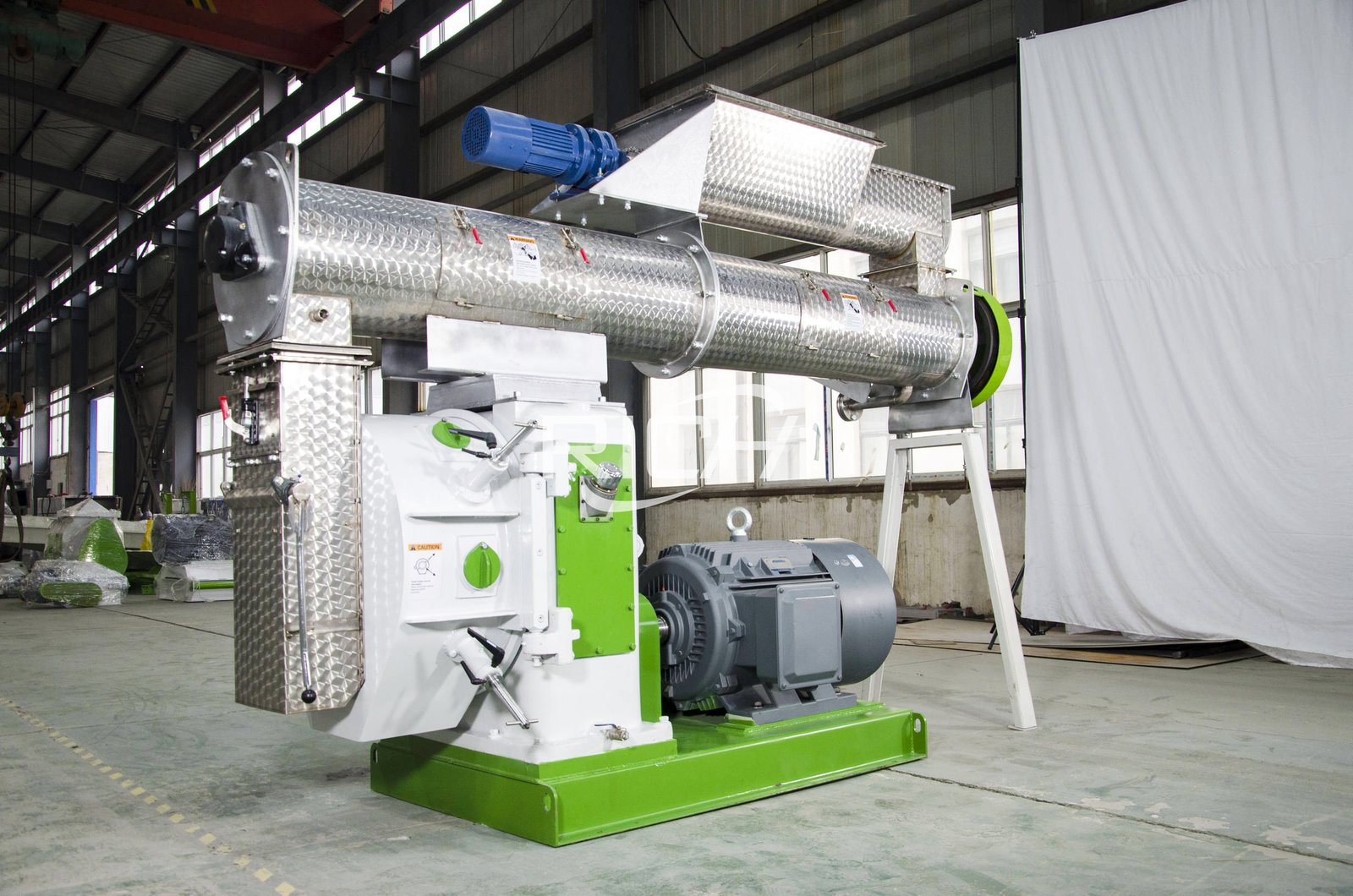
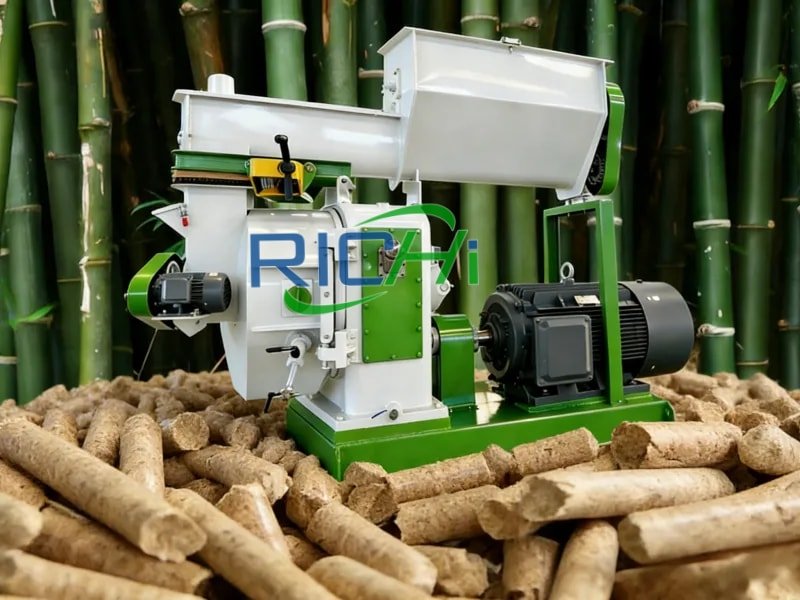
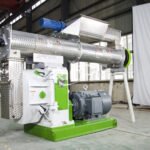
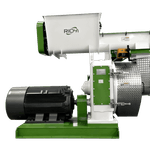
The pellet mill should be selected based on the product range, required capacity, pellet diameter and operating schedule. Its capacity should be assessed together with the conditioner, feeder, cooler, screen and packaging section. If the plant produces both pellets and crumbles, the crumbler must handle the cooled pellet discharge without becoming a restriction. Screening should separate fines and off-size pieces, with any recycle route clearly defined.
The finished feed should be cooled before storage and packaging. A cooler that is undersized can force the pellet mill to slow down or allow warm product to enter the warehouse. The cooling and screening sections should be designed for the expected product mix and pellet dimensions, not only the highest instantaneous press output. Packing equipment then needs to match bag sizes, dispatch rate, weighing accuracy and warehouse logistics.
Design the Building Around Material Flow and Maintenance
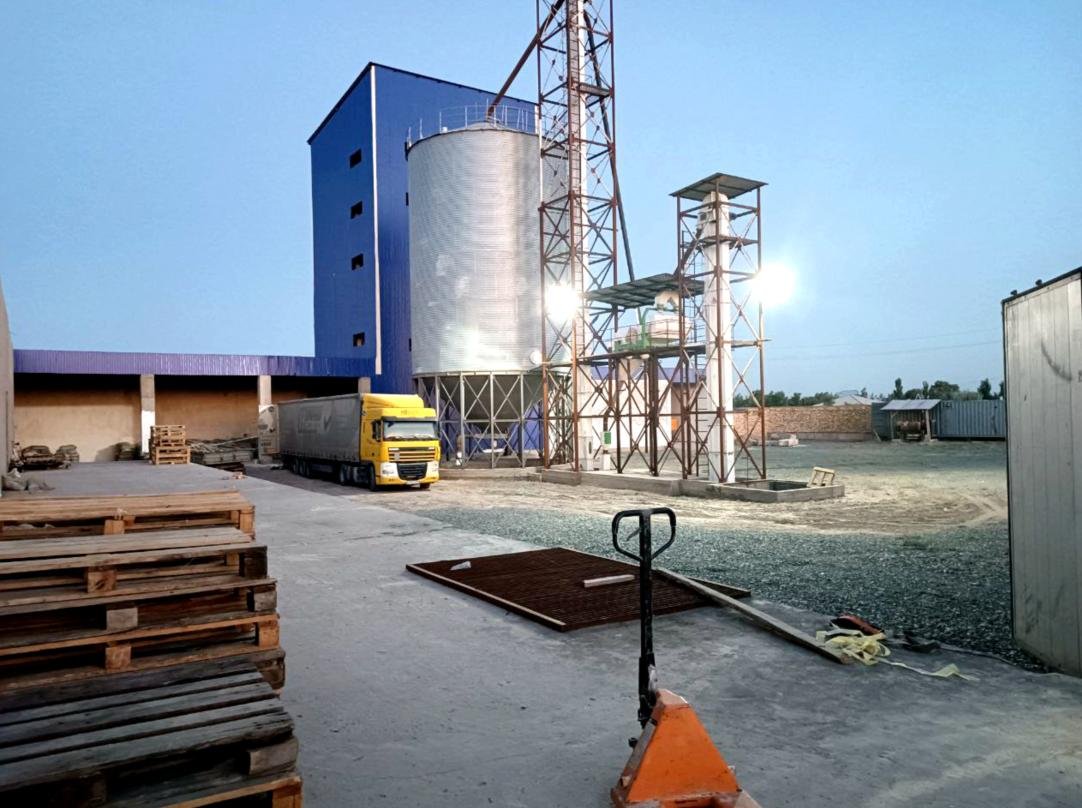
A general arrangement should show receiving pits, silos, bins, grinders, mixers, pellet mills, coolers, crumbler, screens, conveyors, dust collection, finished-product storage and packing. Multi-story or tower layouts can reduce the need for mechanical conveying by using gravity, but they require structural coordination, access platforms and careful maintenance planning. A horizontal layout may be easier to expand or maintain but can require more floor area and conveying equipment.
Confirm foundation loads, floor levels, anchor positions, steel platforms, pits, lifting routes and maintenance clearances before civil work is completed. Allow space to remove hammer-mill screens, mixer shafts, pellet-mill dies, cooler components and packing-machine parts. Provide safe access to lubrication points and inspection doors. The shortest material route is not always the best layout if it prevents cleaning or component replacement.
Dust extraction should be coordinated with transfer points, grinding, mixing and packing. Check duct routes, filter access, dust discharge and cleaning responsibilities. The electrical and control design should include motor protection, emergency stops, interlocks and safe shutdown logic. Define which party supplies the transformer, distribution panels, field wiring, civil works, external conveyors, boiler and lifting equipment.
Commission the Line With Each Main Product Route
Before loaded trials, verify installation, alignment, lubrication, guards, motor rotation, electrical protection, emergency stops and interlocks. Test the no-load sequence where permitted by equipment procedures. Confirm that the control system prevents upstream feeding when a downstream machine is stopped and that operators can identify the selected formula and product route.
Use representative raw materials and test each major product route: mash, pellets and crumbles where included. Record ingredient batch, grinding settings, formula, weighing results, mixing conditions, liquid addition, steam conditions, pellet-mill settings, pellet dimensions, cooling, crumbler settings, screening results and saleable output. A trial of one broiler formula does not prove that the line can produce all layer, starter or duck-feed products.
Acceptance should define the test duration, product specification, sampling method, utility conditions and calculation of saleable output. Include changeover where frequent formula changes are part of normal operation. If quality or throughput falls below target, identify whether the restriction is receiving, grinding, batching, mixing, conditioning, pelleting, cooling, crumbling or packaging. Record corrective actions and repeat the test under comparable conditions.
Conclusion: Design the Line Around the Products It Must Deliver
A reliable poultry feed production line integrates raw-material handling, cleaning, grinding, batching, mixing, conditioning, pelleting, cooling, crumbling, screening and packing according to the actual product portfolio. The correct automation level and layout depend on formula diversity, output, operating hours, site constraints and the required feed forms. A balanced line is more useful than an oversized pellet mill surrounded by undersized auxiliary equipment.
For configuration examples and process scope, review the RICHI poultry feed production line solutions. Prepare the product list, formulas, target output, raw-material information, site plan and utility conditions before finalizing the equipment and building layout.
For production planning, record the changeover time between mash, pellet and crumble routes separately. A line that meets its rated output during a long, uninterrupted pellet run may deliver a lower daily tonnage when it must switch formulas, clean conveying paths or change packing formats several times per shift. Include these routine transitions in the operating schedule and capacity calculation. This helps the project team decide whether additional buffer bins, parallel packing points or a more automated routing system would create measurable value.