
Starting a biomass pellet project may appear straightforward from the outside. Raw material enters a machine, pellets come out, and the product is sold as fuel.
In practice, successful pellet production requires much more planning.
Bamboo is an especially interesting feedstock because it combines high fiber content with a wide variety of physical forms. A bamboo processing plant may generate everything from fine dust to long stalks and thick branches. These materials cannot always be handled using exactly the same process.
For anyone considering a new project, understanding the relationship between raw material, processing technology, capacity, and market demand is far more important than simply comparing machine prices.
Start with the Raw Material, Not the Machine
One of the most common mistakes in biomass projects is selecting equipment before evaluating the feedstock.
Imagine two investors.
Investor A has access to dry bamboo sawdust from a furniture factory.
Investor B collects freshly harvested bamboo branches from several plantations.
Both may want to produce bamboo pellets, but their equipment requirements are completely different.
Investor A may primarily need feeding, pelletizing, cooling, screening, and packing.
Investor B may require chipping, crushing, drying, and additional material handling.
The difference can significantly affect project investment.
A Bamboo Chipper Machine for sale may therefore be useful for projects where bamboo arrives in long or irregular pieces and needs preliminary size reduction.
(Related Post: https://biomasspelletizer.com/bamboo-chipper-machine/)
Understanding Bamboo Particle Size
Particle size has a direct relationship with pellet production.
Oversized material can create feeding problems and uneven compression. Extremely fine material, meanwhile, may behave differently during feeding and conditioning.
The ideal particle size depends on the raw material and equipment configuration.
A practical production process often uses multiple size-reduction stages.
Large bamboo pieces may first be chipped. The chips can then be crushed into smaller particles before entering the pellet mill.
This staged approach is more suitable for difficult raw materials than expecting one machine to handle everything.
Moisture Is a Critical Variable
If there is one parameter that pellet producers should monitor carefully, it is moisture.
Fresh bamboo can contain considerably more moisture than the level normally preferred for pelletizing.
Drying requirements depend on:
- Bamboo species
- Harvest condition
- Storage duration
- Climate
- Particle size
- Target pellet quality
- Production process
A producer should test moisture rather than relying on visual appearance.
Material that looks dry may still contain enough moisture to affect pellet formation.
When a drying system is required, dryer capacity should be matched with the actual moisture reduction needed. Oversizing a dryer increases investment, while undersizing it may create a production bottleneck.
Why Capacity Is Not Just a Number
Manufacturers often advertise pellet mills by capacity, but actual output depends on the feedstock and operating conditions.
For example, a machine rated for a particular capacity under one material may produce a different output with another material.
Bamboo density, moisture, particle size, fiber structure, and die specifications all influence throughput.
This is why investors should avoid treating a capacity figure as a guaranteed result for every feedstock.
A realistic project assessment should consider the entire production chain.
What Equipment May Be Included?
A typical bamboo pellet project can include several sections.
Raw Material Handling
This section receives bamboo residues and moves them toward processing.
Conveyors, hoppers, magnetic separators, and feeding devices may be used depending on the project.
Chipping
Large bamboo pieces can be reduced to smaller chips using a suitable chipper.
Crushing
A hammer mill or similar machine can further reduce the chips into particles appropriate for pelletizing.
Drying
If moisture is too high, a dryer can reduce it to a more suitable level.
Pelletizing
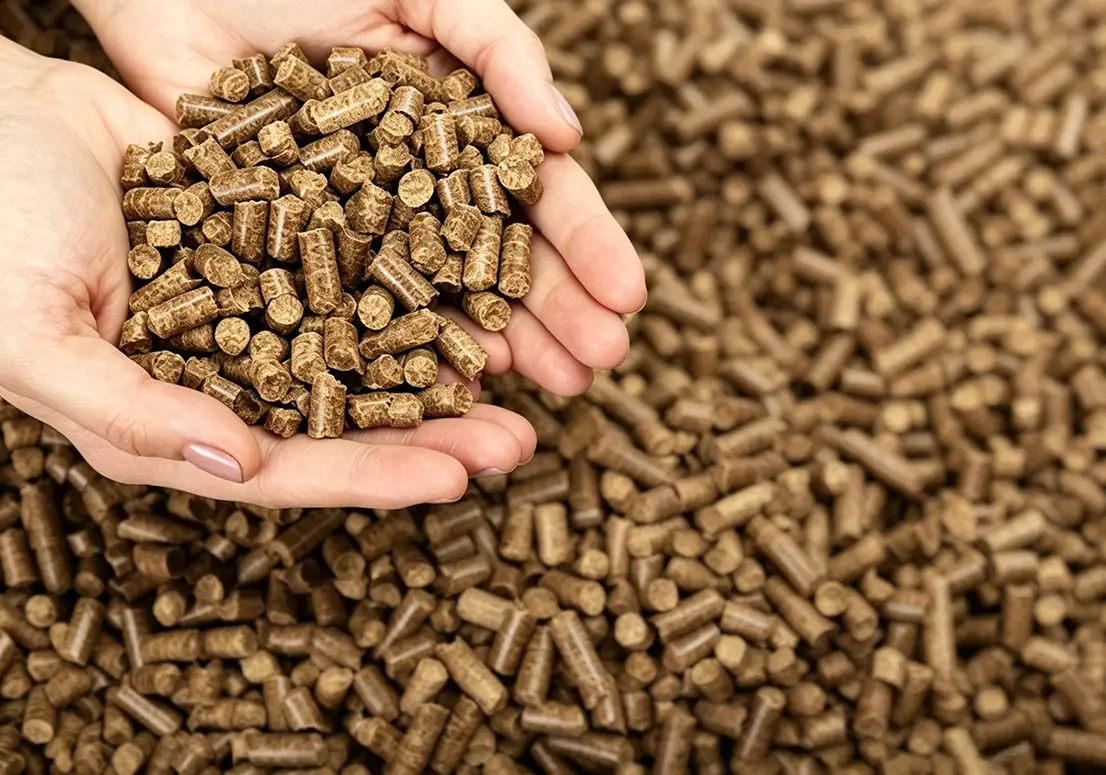
The core production stage compresses prepared biomass into pellets.
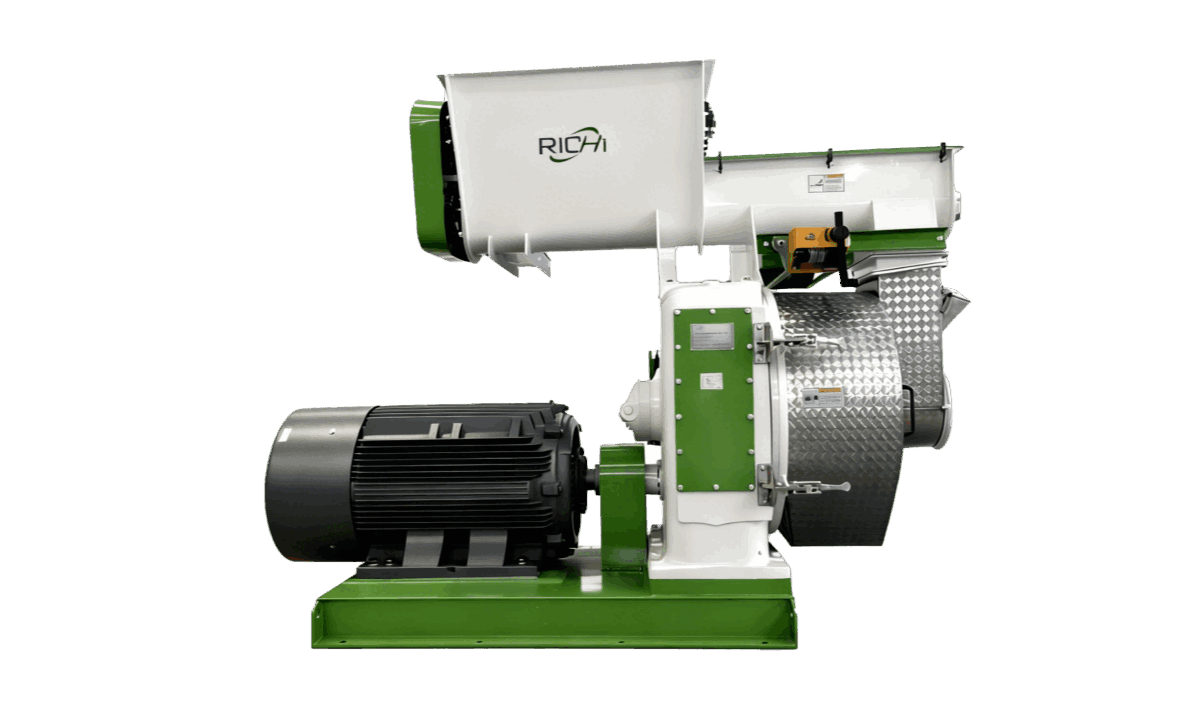
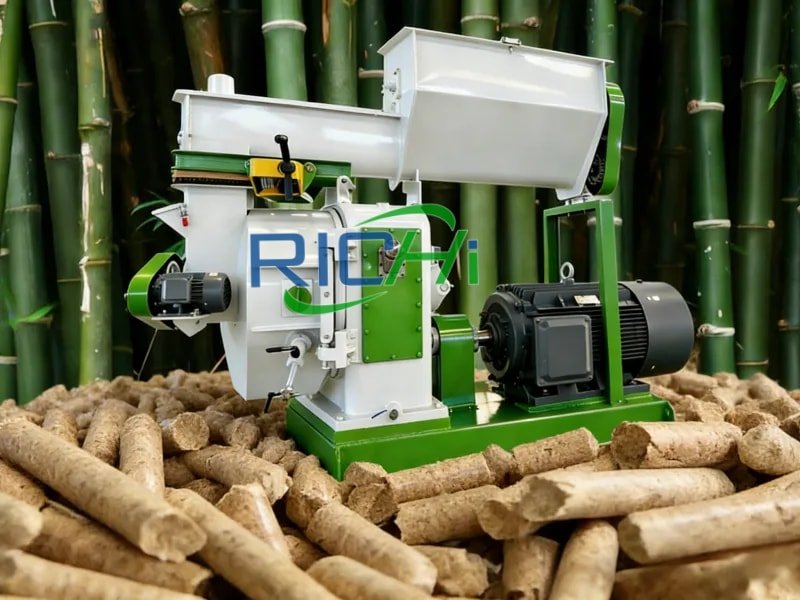
A properly configured bamboo pellet mill should be selected according to capacity, raw material, pellet diameter, operating conditions, and automation requirements.
Cooling
Fresh pellets leave the pellet mill at elevated temperature. Cooling helps stabilize them before storage and packaging.
Screening
Fine particles and broken pellets can be separated from finished product.
Packing
Depending on the market, pellets can be packed into bags or transported in bulk.
Should a Project Use Only Bamboo?
Not necessarily.
Some businesses intentionally design flexible biomass plants that can process several similar feedstocks.
If bamboo availability varies seasonally, the ability to process wood residues or other suitable biomass can improve equipment utilization.
For example, an industrial sawdust pellet mill machine for sale may be considered by a manufacturer that wants to process bamboo sawdust alongside conventional sawdust.
However, flexibility should be planned during equipment selection. Different raw materials can have different density, moisture, abrasiveness, and pelletizing characteristics.
Choosing Between Small and Large Production
A small plant is not automatically less profitable than a large plant.
The correct capacity depends on the business model.
Small systems may be suitable for:
- Local bamboo workshops
- Agricultural cooperatives
- Small fuel suppliers
- Farms with biomass residues
- Regional heating markets
Larger systems may be more suitable for:
- Dedicated biomass fuel manufacturers
- Large bamboo processing companies
- Export-oriented pellet businesses
- Industrial fuel suppliers
The key is utilization.
A large machine operating only a few hours per day may be less economical than a smaller machine running consistently.
Automation and Labor Requirements
Automation becomes increasingly important as production capacity grows.
Manual feeding and packing may work for a small workshop, but they can become inefficient at higher throughput.
An automated line may integrate:
- Automatic feeding
- Material transfer
- Centralized control
- Pellet cooling
- Screening
- Automatic weighing
- Bagging
- Palletizing
The appropriate automation level depends on labor availability and investment budget.
A well-designed system should make production easier to control without introducing unnecessary complexity.
What About Energy Consumption?
Energy costs can strongly influence pellet production economics.
Major electricity consumers may include:
- Chippers
- Crushers
- Pellet mills
- Fans
- Conveyors
- Cooling systems
- Packaging equipment
Drying can represent another significant energy demand, particularly when the feedstock has high initial moisture.
Therefore, energy efficiency should be evaluated at the system level.
Reducing moisture unnecessarily or crushing material more finely than required can increase energy consumption without creating proportional benefits.
Market Demand Comes Before Factory Construction
Before investing in equipment, identify who will purchase the pellets.
Potential customers include industrial heating users, biomass boiler operators, distributors, agricultural businesses, and commercial facilities.
The local market may also determine pellet diameter and packaging requirements.
For example, a large industrial buyer may prefer bulk fuel, while smaller customers may need convenient bags.
Knowing the customer first makes equipment planning much easier.
How Can Equipment Suppliers Help?
An experienced supplier can help connect the raw material characteristics with an appropriate production configuration.
This is more valuable than simply receiving a machine quotation.
Suppliers may evaluate:
- Raw material type
- Moisture
- Particle size
- Required capacity
- Pellet diameter
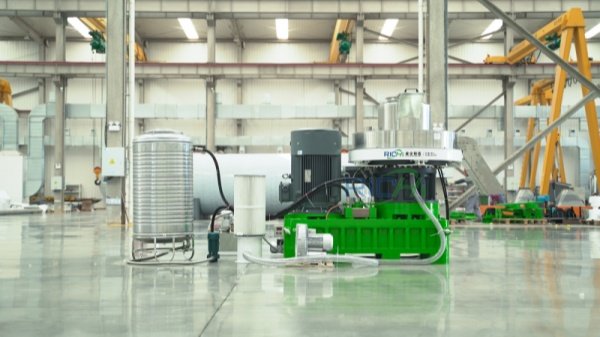
- Factory layout
- Electricity availability
- Automation level
- Packaging requirements
Companies such as Richi manufacture may provide different machinery combinations depending on the project structure.
The buyer should still request technical clarification and compare proposed solutions rather than selecting equipment solely according to brand or price.
Building a Project Step by Step
A practical planning process can follow these stages:
Step 1: Analyze the raw material.
Identify bamboo type, physical form, moisture, contamination, and annual availability.
Step 2: Estimate production demand.
Determine realistic daily and annual output.
Step 3: Identify buyers.
Understand local demand, pellet specifications, packaging, and price expectations.
Step 4: Design the process.
Determine whether chipping, crushing, drying, cooling, and screening are required.
Step 5: Select capacity.
Choose a production range that can be utilized consistently.
Step 6: Calculate economics.
Include equipment, installation, electricity, labor, maintenance, transportation, and packaging.
Step 7: Plan future expansion.
Consider whether the facility may eventually process other biomass materials.
Don’t Ignore Factory Layout
Even a technically correct equipment list can become inefficient if the factory layout is poorly planned.
Material should ideally move through the plant in a logical direction.
Raw materials should have sufficient unloading and storage space. Finished pellets should be kept away from wet processing areas.
Maintenance access should also be considered.
A good layout reduces unnecessary material movement and can make maintenance safer and easier.
Final Thoughts
Bamboo pellet production has potential because it connects two growing interests: biomass resource utilization and renewable energy.
But the strongest projects are not built around a machine alone.
They are built around a reliable raw material supply, suitable processing technology, realistic capacity, manageable operating costs, and a clearly defined market.
Investors researching equipment can look at this website for additional industry resources, but the final equipment configuration should always be based on the actual bamboo feedstock and project requirements.
When these factors are considered together, bamboo residues can move from being a disposal challenge to becoming a useful commercial resource.