Cattle Feed Production Line: Turning Raw Materials into Profitable Output
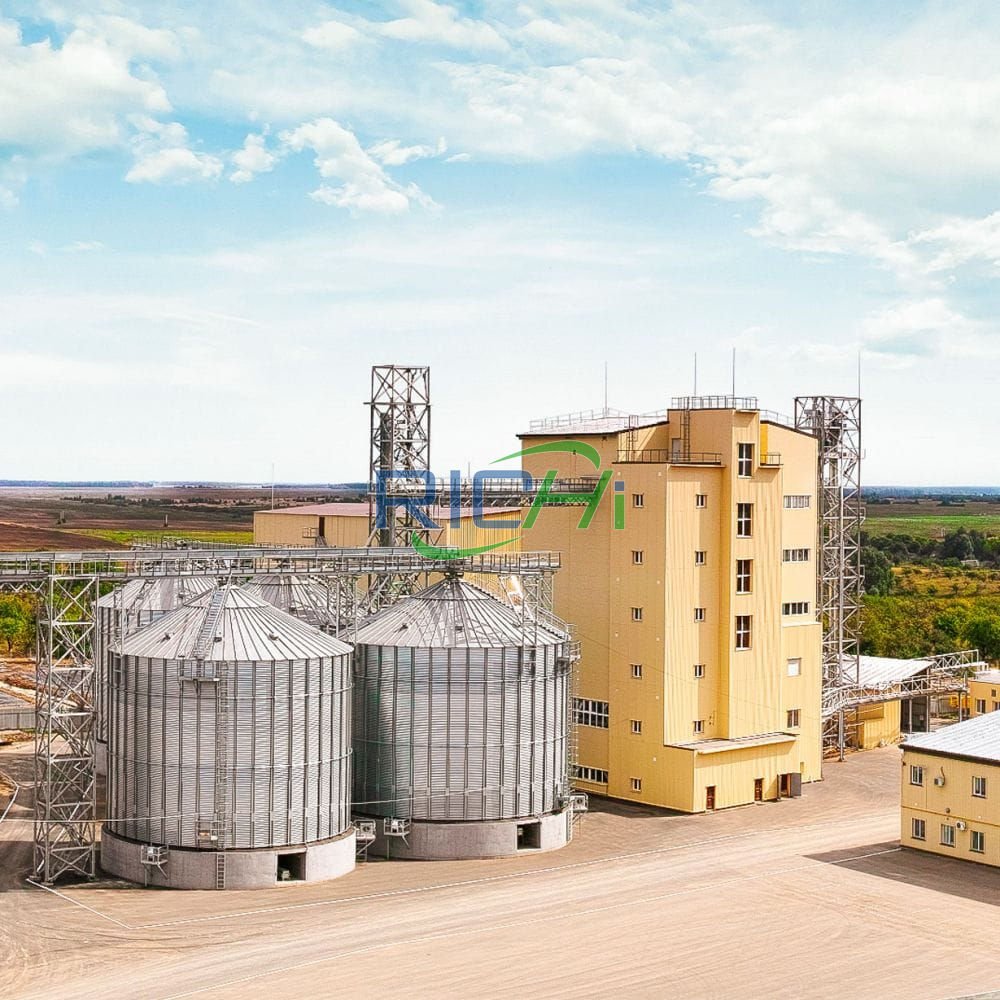
For modern livestock farms, feed is not just a daily necessity—it’s the core of productivity and profitability. A well-designed Cattle Feed Production Line enables farmers and feed producers to transform raw materials into consistent, nutrient-rich pellets that support better growth performance.
Why Traditional Feeding Methods No Longer Work
Many cattle farms still rely on manual mixing or purchasing finished feed. While convenient, these approaches often lead to inconsistent nutrition and higher long-term costs.
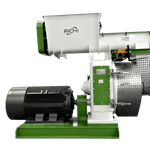
By integrating a livestock feed pellet machine, producers gain full control over feed formulation. This ensures that every batch meets precise nutritional standards while reducing dependency on external suppliers.
If you want to explore real-world setups, you can click to read detailed case studies or visit site resources that show how integrated systems outperform traditional methods.
Core Components of a Production Line
A complete cattle feed system includes several key stages:
Raw Material Processing
Grains like corn and soybean meal are first crushed into fine powder.
Mixing and Conditioning
Ingredients are blended evenly and conditioned with steam to improve digestibility.
Pelletizing
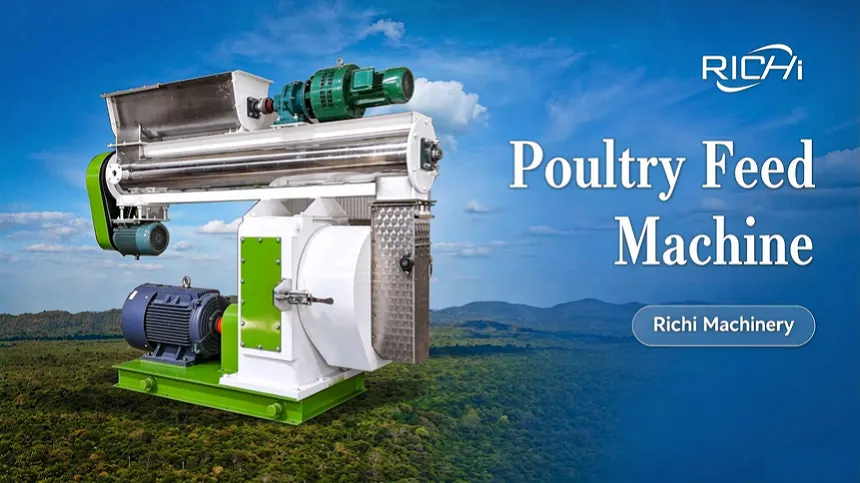
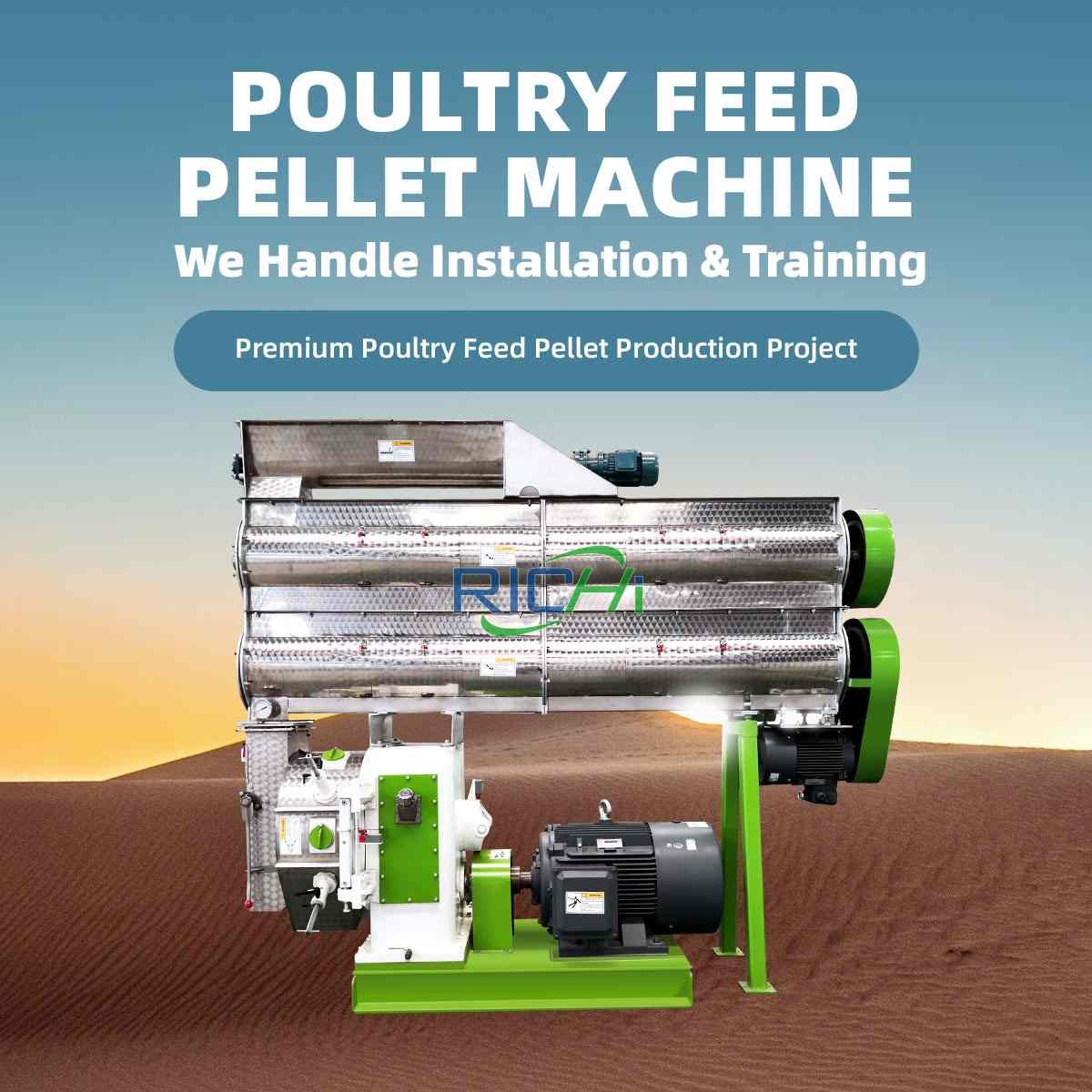
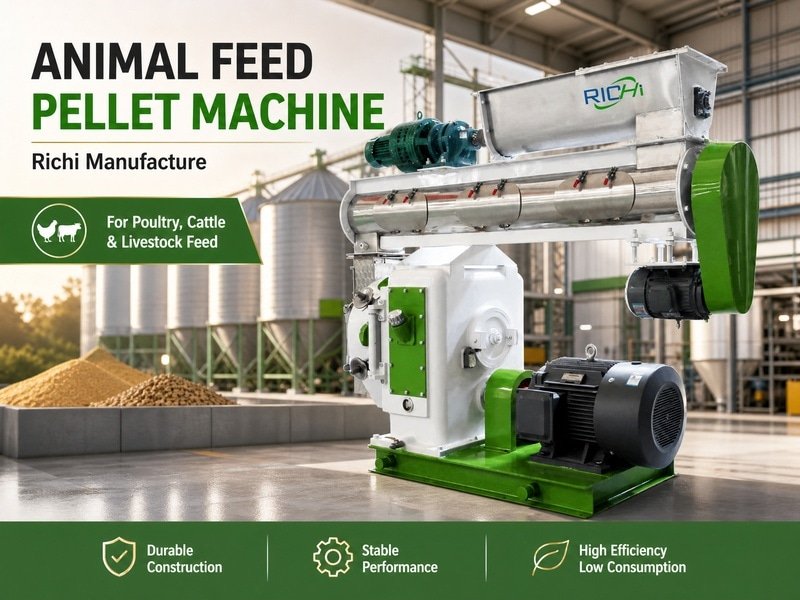
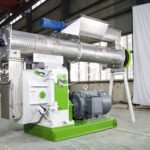
At this stage, the livestock feed pellet machine compresses materials into durable pellets with a uniform size.
Cooling and Packaging
Pellets are cooled, screened, and packed for storage or distribution.
Many users prefer to view the entire workflow before investing. You can also check this site out or go to website demos to understand how each stage operates in real conditions.
Flexibility for Multi-Species Production
One major advantage of modern systems is flexibility. A cattle feed line can often be adapted for other livestock, especially when combined with a Pig Feed Pellet Machine setup.
This allows producers to diversify their feed products without building separate production lines.
If you’re researching options, you may find here comparisons between different system configurations or browse around this site to explore multi-functional designs.
Cost Efficiency and ROI
Investing in a production line may seem expensive at first, but the long-term benefits are significant:
- Reduced feed purchasing costs
- Lower material waste
- Improved feed conversion ratios
- Greater control over quality
Many investors report full return on investment within 1–2 years. If you’re unsure, you can click to investigate real ROI data or look here for cost breakdown examples.
Choosing the Right Equipment Partner
Selecting a reliable manufacturer is critical. Poor-quality machines can lead to inconsistent pellets and frequent breakdowns.
With Richi Machinery, customers receive customized solutions based on raw materials, production capacity, and budget. Their systems are widely used across global markets, offering both durability and efficiency.
If you want deeper technical insights, you can read more through product documentation or discover this info here from industry reports.
Final Thoughts
A Cattle Feed Production Line is more than just equipment—it’s a long-term strategy for improving farm efficiency, reducing costs, and increasing profitability.
Whether you’re starting a new project or upgrading an existing system, taking time to research, compare, and test equipment will always pay off.