
Biomass producers often look for equipment that can provide stable pellet quality while handling continuous production. For projects using sawdust, agricultural residues, and other suitable biomass materials, the machine structure and production configuration can have a significant impact on operating efficiency.
A vertical ring die pellet machine for sale can be considered for businesses that need to convert prepared biomass into dense, uniform pellets. However, choosing the right model requires more than comparing motor power or advertised capacity.
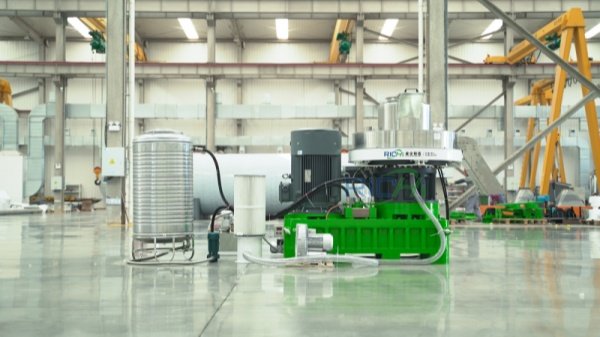
Understanding the Vertical Structure
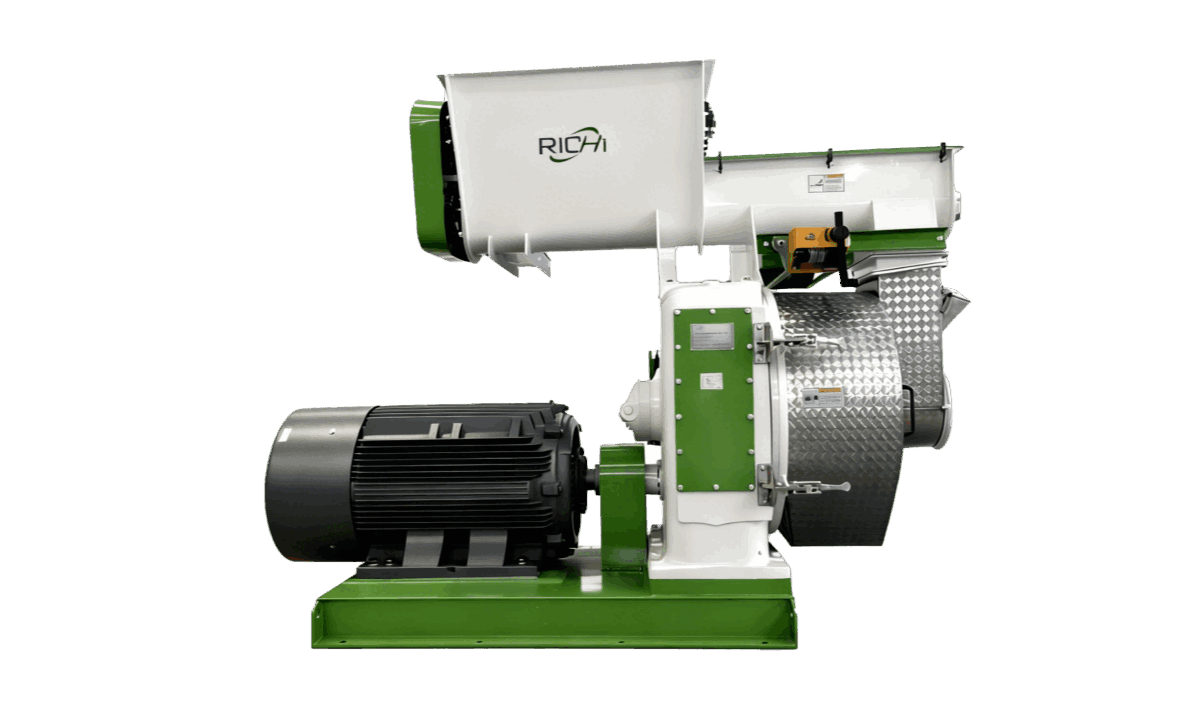
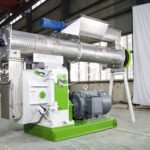
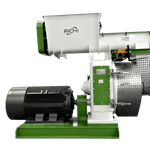
A vertical ring die design uses a vertically arranged pelletizing chamber. Prepared biomass is supplied into the chamber and compressed between the rotating components and the ring die.
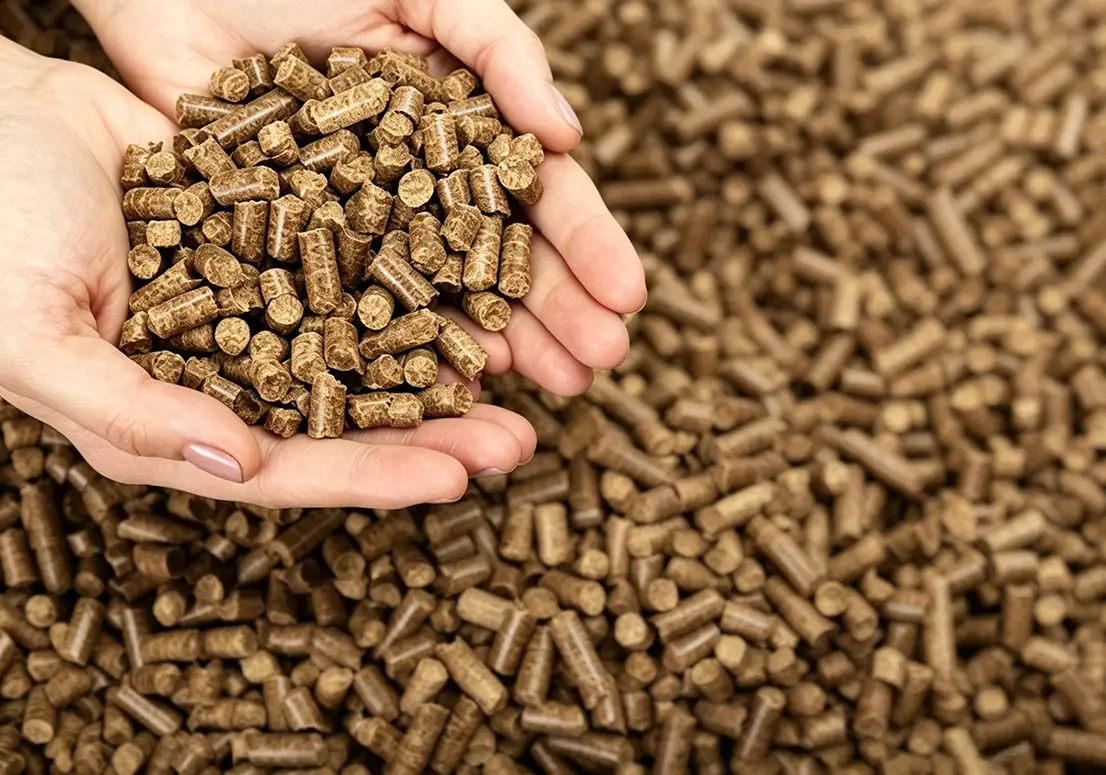
The pressure generated during this process forces the material through die holes, producing continuous compacted strands. A cutting system then separates the strands into pellets.
The vertical arrangement can provide a compact equipment layout and is particularly useful when the production site has specific space or material-feeding requirements.
Which Biomass Materials Can Be Processed?
The actual feedstock determines whether a particular configuration is suitable.
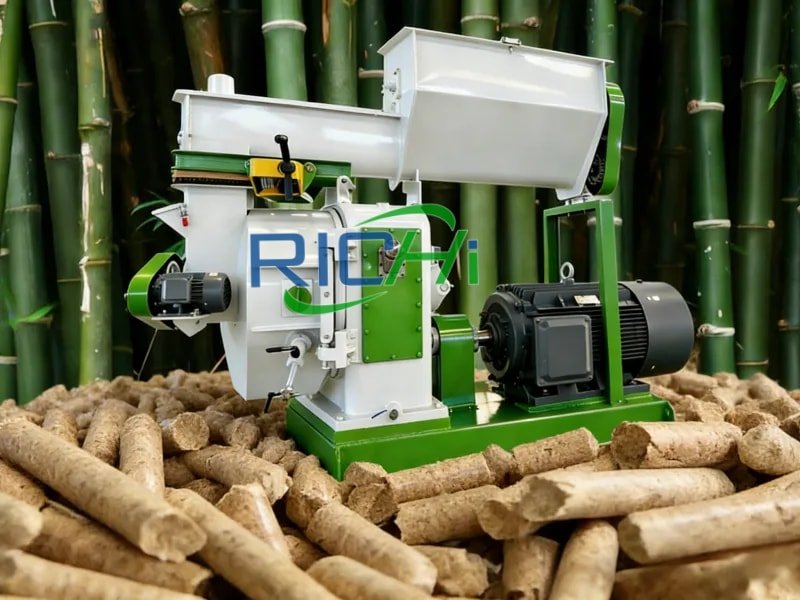
Common biomass materials considered for pellet production include sawdust, wood residues, straw, corn stalks, rice husks, and other agricultural by-products. Their moisture, fiber length, density, and hardness can vary considerably.
For example, when comparing straw pellet mill price, buyers should consider that straw generally requires effective size reduction and stable feeding before pelletizing. Long fibers may also influence the choice of feeding and cutting equipment.
Therefore, a machine suitable for one biomass material should not automatically be assumed to perform identically with another.
Why Raw-Material Preparation Matters
Pelletizing begins well before the material reaches the ring die.
Large biomass pieces may need crushing or chipping, while long fibrous materials may require additional cutting. If the moisture content is outside the suitable processing range, drying or moisture adjustment may also be necessary.
A properly prepared feedstock allows the pellet mill to operate more consistently and helps reduce fluctuations in pellet density and shape.
Capacity Should Match the Project
Production capacity is another major consideration.
A small farm or workshop may only require a relatively modest output, while a commercial biomass fuel producer may need several tons per hour.
Capacity should be calculated from the available raw-material supply, expected operating hours, and final pellet demand. Purchasing a machine that is significantly larger than the available feedstock can result in poor utilization.
On the other hand, equipment that is too small can create a bottleneck when the business expands.
A Complete Production System
A pellet mill is only one part of a commercial biomass processing project.
Depending on the material, the complete process may include raw-material storage, crushing, drying, conveying, pelletizing, cooling, screening, and packaging.
Cooling is particularly useful after pelletizing because freshly formed pellets can retain heat. Screening can then remove fines and irregular particles before the finished pellets enter storage.
Automation can also connect the different stages and reduce manual material handling.
What Should Buyers Check Before Ordering?
Before purchasing equipment, buyers should provide several details:
- Biomass type and source
- Raw-material moisture
- Particle size
- Daily material availability
- Required production capacity
- Desired pellet diameter
- Final pellet application
- Available factory space
These details allow the equipment configuration to be matched to the actual production conditions.
Businesses can also compare different pellet mill for sale configurations according to die design, power requirements, auxiliary equipment, maintenance accessibility, and expected operating conditions.
For additional technical information about biomass pellet production, read here for practical considerations when planning a pelletizing project.
Ultimately, the best vertical ring die system is not necessarily the largest or most powerful model. It is the configuration that matches the raw material, production target, available space, and long-term operating plan. Careful feedstock evaluation and appropriate process design can make the investment more reliable and easier to expand.
Related post:https://pelletizerequipment.com/vertical-wood-pellet-machine/