
SEO Title: Straw Pellets for Biomass Fuel: Production and Applications
Page Description: Explore how straw pellet production supports biomass fuel projects, including raw material preparation, equipment selection, and fuel applications.
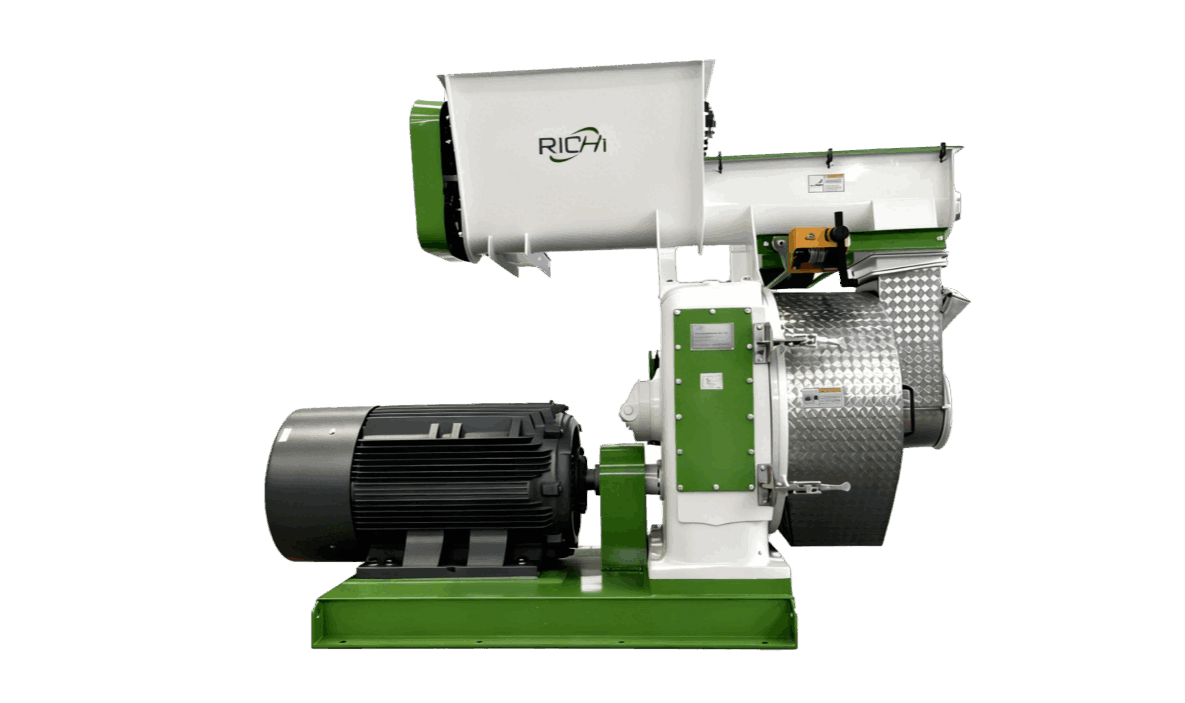
Straw Pellets for Commercial Biomass Fuel
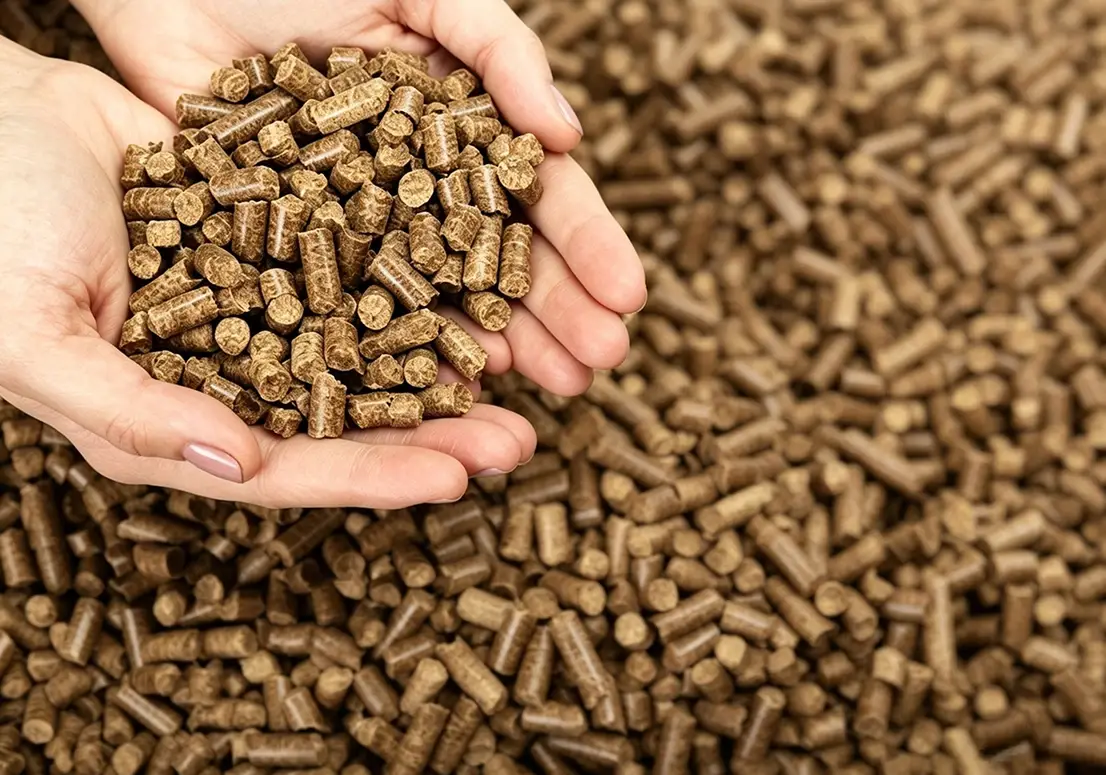
Agricultural straw is often available in large quantities but has a major handling problem: loose straw takes up a lot of space and is difficult to transport efficiently. Converting it into fuel pellets can solve part of this problem by producing a denser and more standardized biomass fuel.
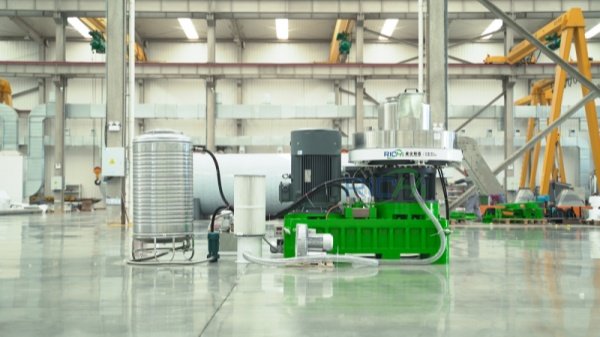
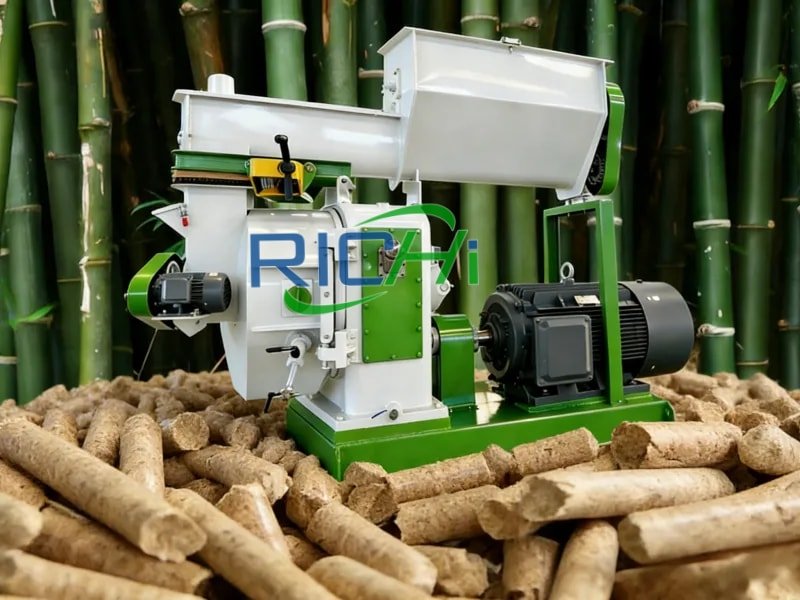
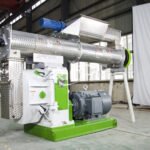
A straw pellet mill for biomass fuel can be integrated into a small farm operation or a larger commercial production plant, depending on the available raw material and target output.
From Field Residue to Biomass Fuel
Wheat straw, rice straw, corn straw, and other crop residues can become useful feedstock for biomass fuel production.
The basic process is straightforward:
- Collect and store the straw.
- Remove unsuitable foreign materials.
- Reduce the particle size.
- Adjust moisture when necessary.
- Pelletize the prepared material.
- Cool and screen the pellets.
- Store or pack the finished fuel.
The actual configuration depends on the condition of the straw. Long, fibrous material generally needs effective size reduction before entering the pellet mill.
Why Pelletize Straw?
Loose straw has a low bulk density. This creates challenges during transportation, storage, and automatic feeding.
Pellets offer a more convenient format. Their compact shape allows producers to use storage and transportation space more efficiently. Standardized dimensions also make pellets easier to handle with mechanical conveying and feeding systems.
For commercial biomass fuel producers, pelletizing can also make it easier to establish consistent product specifications.
However, pelletizing does not automatically make every straw resource commercially viable. The economics depend on the local cost of collection, transportation, electricity, drying, labor, and fuel demand.
Raw Material Collection Matters
A biomass pellet plant needs a reliable supply of raw material.
Straw is usually seasonal, so producers should consider how much material can actually be collected after harvest and how much can be stored for year-round production.
Transportation distance is also important. A large amount of low-density straw can become expensive to move before it reaches the plant.
For this reason, many successful projects locate the production facility relatively close to agricultural areas with a stable supply of crop residues.
How Much Preparation Is Required?
Straw preparation depends on its condition.
If the straw is already relatively dry and clean, the production line may only need crushing before pelletizing.
Wet material requires drying, while material containing stones or other foreign objects may require additional cleaning and separation.
The crusher should also be selected according to the type of straw. Long fibers need equipment capable of handling the material without creating unstable feeding conditions.
A rice husk pellet machine for biomass fuel, for example, can use a different preparation approach because rice husk is already much smaller and more granular than long wheat or corn straw.
Choosing the Right Pelletizing Capacity
Capacity should be based on the actual straw supply rather than simply selecting the largest available machine.
A small agricultural processor may operate a compact system for several hours each day. A commercial fuel producer may require continuous production with automatic feeding, multiple pellet mills, and larger storage facilities.
When calculating capacity, consider:
- Annual straw availability
- Seasonal collection volume
- Storage capacity
- Planned operating hours
- Local fuel demand
- Transportation costs
This provides a more realistic basis for equipment selection.
What Does a Commercial Line Include?
A larger straw fuel project can include a complete range of equipment:
Raw material storage → crushing → drying → pelletizing → cooling → screening → conveying → packing
The drying section can be adjusted according to the incoming moisture. The cooling and screening sections help stabilize and classify the finished pellets before storage.
Automatic packing is useful when pellets are sold in bags. Bulk loading may be more appropriate for industrial customers using large quantities of biomass fuel.
Is Straw Pellet Production Commercially Practical?
The answer depends on the complete local business model.
Projects are generally more attractive when straw is available nearby, collection costs are manageable, the plant can operate consistently, and there is a stable market for the finished pellets.
RICHI can customize biomass pellet production systems according to raw material characteristics and production requirements. The goal is to avoid unnecessary equipment while maintaining enough capacity for reliable operation.
A complete pellet production line can therefore be configured for farm-scale fuel use or commercial biomass pellet sales.
For buyers evaluating straw as an energy resource, the most important step is to analyze the complete supply chain—from field collection to final fuel consumption. Learn more about biomass pellet production equipment and suitable plant configurations.
Related Post: https://pelletizerequipment.com/cotton-stalk-pellet-machine/