
A feed pellet mill is an important machine, but a successful commercial operation usually requires several connected processing stages. A complete production line allows raw materials to move through preparation, formulation, pelleting, cooling, screening, and packaging in an organized sequence.
A complete animal feed pellet production line can be configured according to the feed formula, target animals, production capacity, pellet size, factory space, and automation requirements. This flexible approach is important because a small farm and a commercial feed factory may have completely different production needs.
Starting With Raw Material Preparation
The production process begins with raw materials. Common ingredients include corn, wheat bran, soybean meal, forage, alfalfa, premix, and other nutritional materials.
Large or coarse ingredients usually need to be reduced to a suitable particle size. A hammer mill or other grinder can prepare the material for efficient mixing. The correct particle size depends on the formula and final pellet requirements.
After grinding, the ingredients are measured and mixed. Uniform mixing is important because every pellet should contain the intended nutritional components in the correct proportions.
The Role of the Pellet Mill
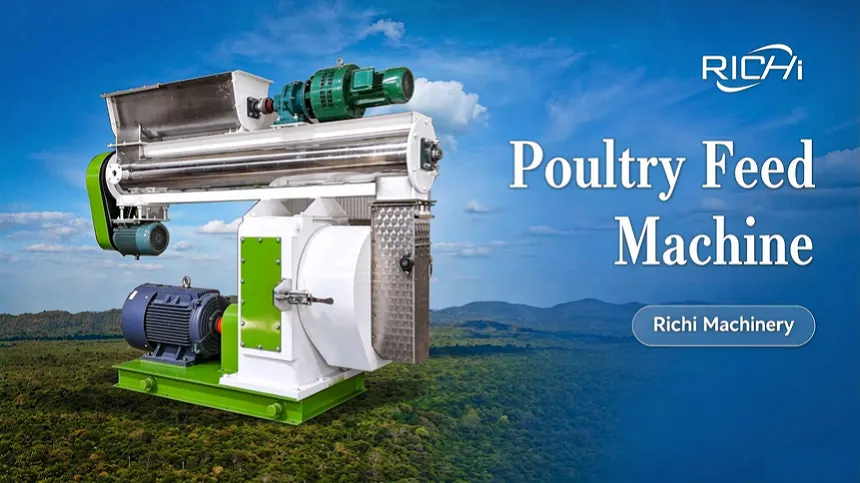
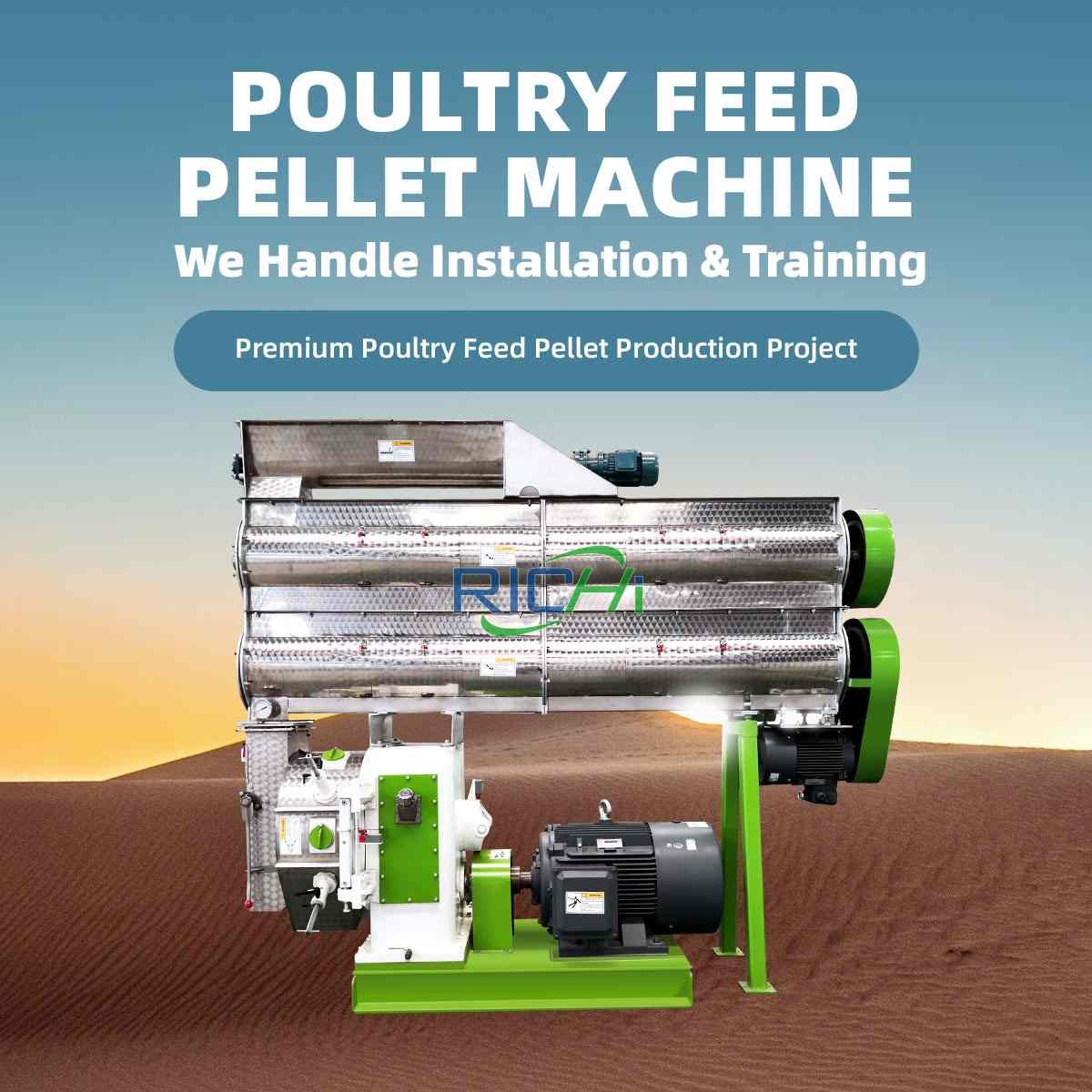
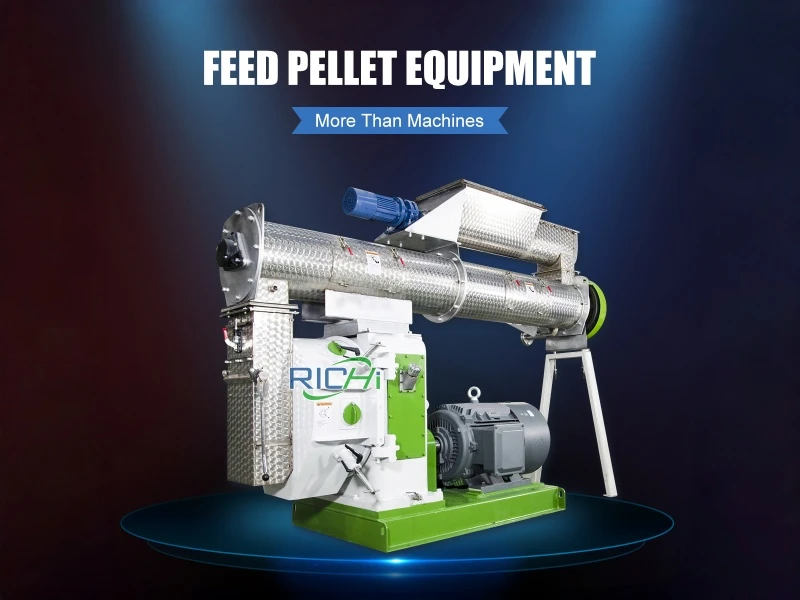
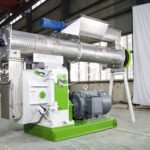
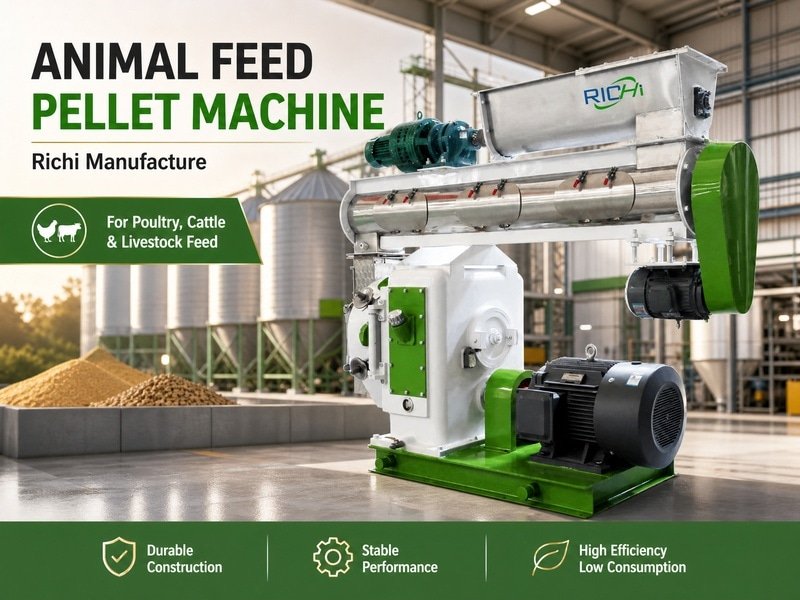
After mixing, the prepared mash moves toward the pelleting section. The feeder controls material flow into the conditioner, while steam can be introduced during conditioning.
The conditioned material then enters the pelletizing chamber. The ring die and rollers compress the feed and form pellets through the die holes. The cutting system determines the approximate pellet length.
The final pellet diameter depends largely on the die specification. Different animals and feeding stages may require different pellet sizes, so die selection should be considered during the initial project design.
Cooling Is Not Optional
Fresh pellets are hot after pelleting and contain moisture introduced during conditioning. They need to be cooled before storage or packaging.
A counterflow or similar cooling system reduces pellet temperature and moisture to a more suitable level. Proper cooling helps protect pellet quality during subsequent handling and storage.
Screening can then separate fines from finished pellets. In some applications, the fines may be returned to the production process, while the acceptable pellets continue toward packing.
Building a Livestock Feed System
A livestock feed pellet production line can be designed for cattle, sheep, goats, horses, pigs, and other animals. The actual configuration depends heavily on the feed formula.
Ruminant feed containing forage may require different feeding characteristics from grain-based poultry or pig feed. Fibrous materials can affect flow and compression, so the feeding and pelletizing sections should be selected accordingly.
This is one reason complete-line design is often more practical than purchasing machines separately. The supplier can consider the interactions between different processing stages.
Automation and Material Flow
Automation becomes increasingly useful as production capacity increases. Automatic weighing, feeding, temperature monitoring, control systems, and packaging can reduce manual intervention and improve process consistency.
However, automation should match the project’s actual needs. A smaller operation may prefer a simpler system that is easy to operate and maintain, while a large commercial plant may benefit from centralized control and automatic material handling.
Plant layout should also allow logical material movement. Unnecessary conveying distances can increase energy use and complicate maintenance.
Planning for Future Expansion
A production line should not only satisfy today’s demand. If the business expects sales to increase, the layout can be designed with expansion in mind.
Additional storage, another pellet mill, larger cooling capacity, or upgraded packing equipment may eventually be needed. Planning space and utility requirements in advance can make future expansion easier.
Producers can next compare different equipment configurations before deciding which combination best fits their operation.
Working With an Engineering Supplier
Richi Machinery provides equipment for animal feed and livestock feed production, including pellet mills and supporting processing machinery. A complete project can be designed around the customer’s raw materials, output requirements, pellet specifications, and factory conditions.
The most effective production line is not necessarily the one containing the most equipment. It is the system in which each stage is properly matched to the next. Grinding, mixing, conditioning, pelleting, cooling, screening, and packing should form a balanced process.
By treating the project as one integrated system, feed producers can improve material flow, maintain consistent pellet quality, and create a more practical foundation for long-term commercial production.
view details: https://www.richimanufacture.com/animal-feed-pellet-machine-for-sale/