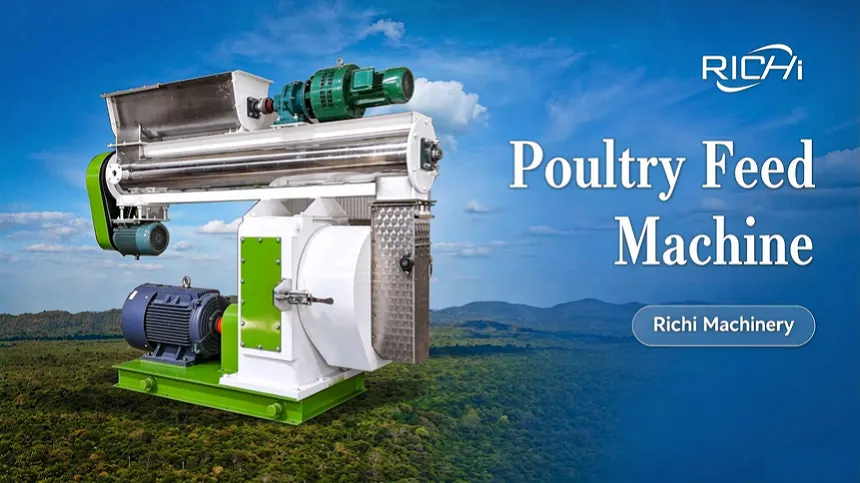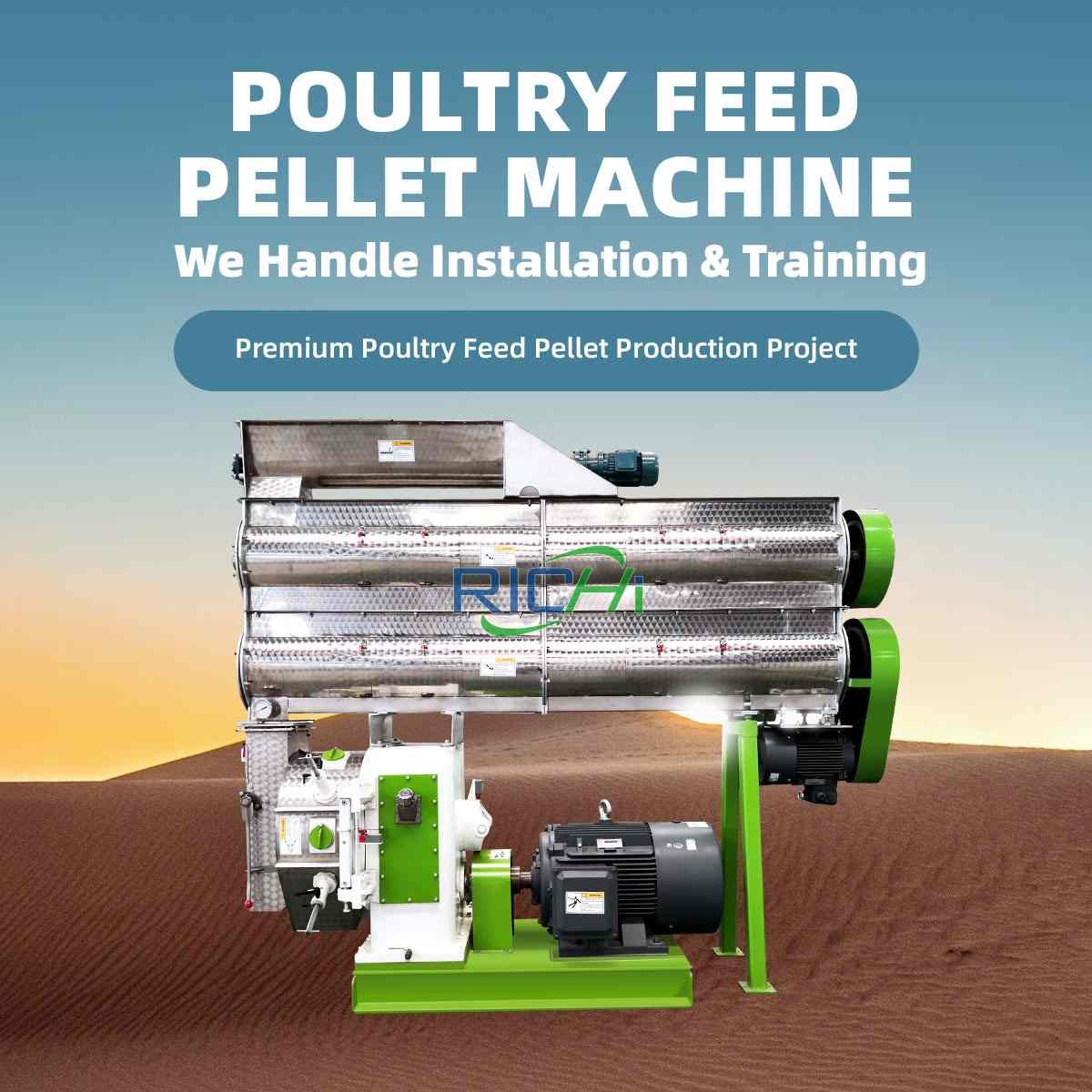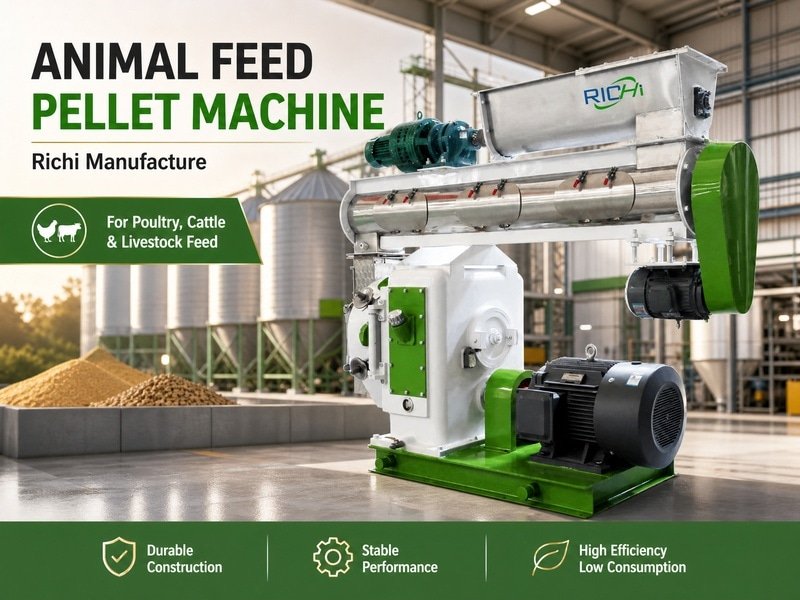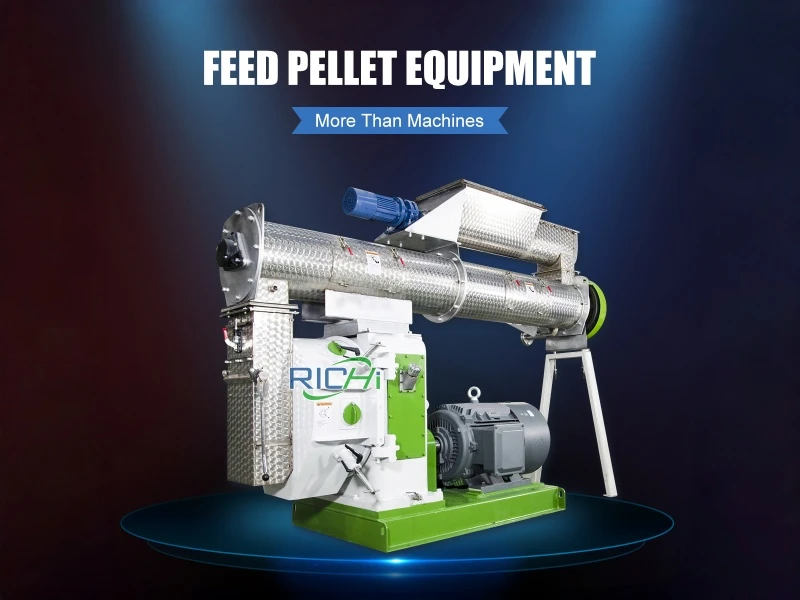



Goat farming has experienced remarkable growth over the past decade, driven by rising demand for goat meat, milk, and fiber in both developing and developed markets. From small-scale operations in Sub-Saharan Africa to large commercial dairies in North America and Europe, producers are expanding herds and intensifying production systems. Yet one critical aspect of goat production often lags behind other livestock sectors: feed processing technology. The unique nutritional requirements and feeding behaviors of goats demand equipment and approaches that generic livestock feed systems simply cannot deliver.
Understanding the Goat Digestive System
Goats are ruminants, possessing a four-compartment stomach that enables them to extract nutrients from fibrous plant materials that other species cannot utilize efficiently. However, their digestive anatomy differs from cattle and sheep in several important ways. Goats are classified as intermediate feeders, meaning they selectively browse on a wide variety of plants, including leaves, twigs, shrubs, and forbs, in addition to grasses. This browsing behavior has shaped a digestive system that is remarkably efficient at processing diverse feedstuffs with varying fiber content and physical characteristics.
The goat’s rumen operates optimally when the diet contains sufficient physically effective fiber to stimulate chewing and rumination. This is where feed processing becomes critical. If the feed is ground too finely, the rumen lacks the structural material needed for proper function, leading to acidosis, reduced feed intake, and poor performance. If the feed is too coarse, goats may selectively consume certain particles while leaving others, resulting in imbalanced nutrient intake.
Pelleting offers a solution to both problems. By compressing ground ingredients into uniform pellets, producers can deliver a consistent diet that contains adequately processed fiber while preventing selective feeding. The pellet form also encourages longer chewing time, stimulating saliva production that buffers rumen pH and supports digestive health. A well-designed goat feed pellet making machine produces pellets with the right density and hardness to satisfy these physiological requirements while maintaining the nutritional integrity of the diet.
Nutritional Requirements and Formulation Considerations
Goat diets differ substantially from cattle or sheep rations in several key aspects. Goats have higher requirements for certain minerals, particularly copper, which is more efficiently absorbed than in sheep but still requires careful supplementation. They also have a unique ability to utilize tannins and other secondary plant compounds, making them well-suited to consuming browse species that other ruminants avoid. However, these dietary characteristics present challenges for feed processing.
The inclusion of high-fiber ingredients such as alfalfa hay, peanut hulls, or sunflower meal provides necessary physical structure but can be abrasive and difficult to process. The fat content of goat diets, particularly in dairy rations where energy demands are high, can interfere with pellet binding and reduce durability. Additionally, the variability of feedstuffs in many goat operations—where producers often use regionally available ingredients rather than standardized commercial formulations—requires processing equipment that can adapt to changing material characteristics.
The Selection Challenge: Feeding Behavior and Pellet Characteristics
Perhaps the most distinctive aspect of goat feeding behavior is their selectivity. Goats are inherently curious and discriminating eaters, preferring to sample and reject feed particles that do not meet their sensory expectations. This behavior, which evolved as a survival strategy in nutrient-poor environments, becomes a management challenge in intensive production systems. If pellets are inconsistent in size, hardness, or palatability, goats will sort through them, consuming preferred particles and leaving less desirable portions behind.
This sorting behavior can undermine even the most carefully formulated diet. A goat that selectively consumes fines or softer pellets while rejecting harder particles may receive an imbalanced ration, with consequences for growth, milk production, and reproductive performance. Uniform pellet characteristics—consistent size, hardness, and ingredient distribution—are essential for preventing sorting and ensuring that every animal receives the complete, balanced diet.
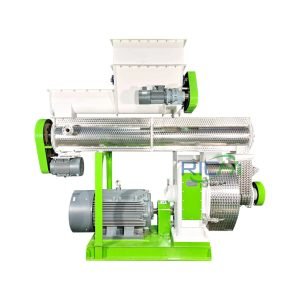
Achieving this consistency requires a durable feed pellet machine for sale that delivers reliable performance across varying formulations. The equipment must produce pellets that are hard enough to withstand handling without breaking, yet not so hard that goats avoid them. The ideal pellet for goats is firm but friable—able to retain its shape during storage and transport while being readily accepted and consumed.
Processing Parameters for Goat Feed
The production of quality goat feed pellets requires careful attention to several processing variables. The conditioning stage, where steam and heat are applied to the ground mash, is particularly important. Goat diets often contain significant proportions of fibrous ingredients that absorb moisture differently than grain-based feeds. Proper conditioning ensures that these fibers are adequately hydrated, allowing them to bind with other ingredients during pelleting.
Related Post: https://pelletizerextruder.com/feed-pellet-machine/
The compression ratio of the die is a critical determinant of pellet density and hardness. For goat feed, which typically contains higher fiber levels than poultry or swine diets, a moderate compression ratio is generally optimal. Too high a ratio produces overly dense pellets that goats may reject or that cause excessive wear on equipment. Too low a ratio yields weak pellets that generate excessive fines and dust.
Die hole size must also be selected with goat feeding behavior in mind. Younger goats and kids require smaller diameter pellets that they can easily consume, while mature animals can manage larger sizes. Many operations produce multiple pellet sizes for different age groups, requiring equipment that can accommodate quick die changes.
Temperature control throughout the pelleting process matters significantly for goat feed. Excessive heat can damage heat-sensitive nutrients and reduce palatability. Goats are particularly sensitive to off-flavors and odors, and feed that has been overheated during processing may be refused even if its nutritional profile remains adequate.
Why Standard Equipment Often Falls Short
Many goat producers begin their operations using equipment designed for other species, only to encounter problems that compromise feed quality and animal performance. Poultry pellet mills, for example, are optimized for fine-textured, high-grain diets that produce dense, hard pellets ideal for birds but inappropriate for goats. Cattle feed equipment, while capable of handling fibrous materials, often produces pellets that are too large or inconsistently shaped for goat consumption.
The wear characteristics of goat feed also differ from other species. The higher fiber content and inclusion of abrasive ingredients such as mineral supplements accelerate wear on dies and rollers. Equipment that performs adequately for grain-based feeds may require significantly more frequent maintenance when processing goat rations. This is why selecting equipment engineered specifically for the challenges of ruminant feed processing, with appropriate metallurgy and wear protection, is essential for long-term operational reliability.
Quality Control and Pellet Evaluation
For goat operations serious about feed quality, regular pellet evaluation should be part of standard operating procedures. The Pellet Durability Index (PDI) provides an objective measure of pellet strength, with target values depending on handling and feeding systems. A simple visual inspection for dust and fines percentage offers a quick indication of whether the pelleting process is performing as expected.
Regular monitoring of pellet acceptance by goats is equally important. Changes in feed intake, sorting behavior, or chewing time may signal problems with pellet characteristics that require adjustment. Since goats are sensitive to even subtle changes in feed form, maintaining consistent pellet quality is essential for stable feed intake and predictable performance.
Investment Considerations and Long-Term Value
The decision to invest in dedicated goat feed processing equipment represents a significant commitment, but the returns are substantial. Improved feed efficiency, reduced waste, better animal health, and more consistent performance all contribute to the economic case. For operations that previously purchased manufactured feed, bringing pelleting in-house offers control over ingredient quality and formulation flexibility that can reduce costs and improve nutritional precision.
When evaluating equipment options, producers should consider not only initial purchase price but also operational costs, maintenance requirements, and the availability of technical support. A durable feed pellet machine for sale that delivers consistent performance with minimal downtime and reasonable operating costs offers the best long-term value.
Engineering Excellence for Ruminant Feed Processing
RICHI Machinery has earned a reputation for equipment that stands up to the demanding conditions of ruminant feed processing. With a global presence spanning more than 140 countries and a portfolio of over 2,000 installed projects, their engineering expertise extends across species and production systems. Their SZLH series, available in capacities from 2 to over 10 tons per hour, incorporates features specifically beneficial for goat feed production: gear-driven transmissions for efficiency and reliability, stainless steel conditioners for corrosion resistance, and variable-frequency drives that accommodate the variability of ingredient characteristics.
Making Informed Decisions
Selecting the right equipment for goat feed production requires careful assessment of herd size, diet formulations, and production goals. For producers who are uncertain about the optimal configuration for their operations, the best approach is to consult with experts who understand both the technical aspects of pelleting and the specific requirements of goat nutrition. It is advisable to communicate with professional manufacturer who can provide detailed specifications, configuration recommendations, and performance data relevant to goat feed applications. With proper equipment selection and consistent operating practices, goat producers can achieve the feed quality that supports optimal health, productivity, and profitability.