
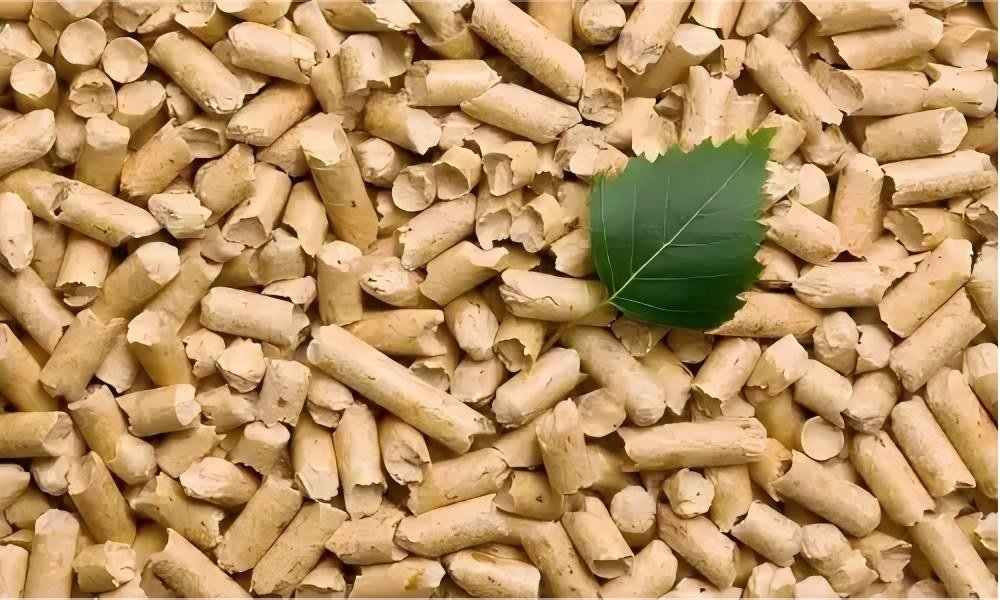
The global agricultural industry generates a staggering volume of waste every single year—over 1.5 billion tons of crop residues, according to recent estimates from the Food and Agriculture Organization of the United Nations. For decades, this material was either burned in open fields, releasing harmful pollutants into the atmosphere and contributing to the kind of choking smog that plagues northern India every winter, or simply dumped in landfills where it decomposed uselessly and produced methane, a greenhouse gas far more potent than carbon dioxide. Today, a far smarter path exists: pelletization. By compressing agricultural residues into dense, uniform pellets, farmers and agri-businesses can transform what was once a disposal headache into a profitable, renewable energy source, animal feed, or even bedding material. The key to unlocking this value lies in the right equipment—most notably, a straw pellet mill—and a clear understanding of which residues are best suited for the process.
This article provides a comprehensive exploration of the full spectrum of agricultural residues that can be converted into pellets, the technology that makes it possible, the economic and environmental forces driving this industry forward, and the practical challenges operators face on the ground.
Why Pelletize Agricultural Residues at All?
Before diving into the specific materials, it is worth understanding why pelletization has become such a compelling proposition across both developed and developing nations.
First, it is eco-friendly. Biomass pellets burn significantly cleaner than coal or firewood. They release only the CO₂ that the plants absorbed during growth, making them effectively carbon-neutral over their lifecycle. Compared to coal, greenhouse gas emissions can be reduced by up to 90%. There is virtually no sulfur dioxide produced during combustion, meaning urban air quality is not compromised. In Denmark, where biomass pellets account for nearly 40% of residential heating fuel, particulate matter levels in major cities have dropped by 23% since 2015.
Second, it is cost-effective. Pellets deliver consistent energy output and can be used in household stoves, industrial boilers, and power generation facilities—often at half the cost of oil or natural gas. For farmers, selling pellets generates an additional revenue stream of 50to150 per ton, depending on the feedstock and regional market conditions. In the United States, a corn farmer who pelletizes stover can earn an extra 30to60 per acre beyond what they already make from grain sales.
Third, it solves a waste problem. Instead of contributing to air pollution through open-field burning, crop residues are given a second life. This is not just good for the environment—it is good for soil health, too, since at least a portion of residues can be returned to the land as organic fertilizer after nutrient extraction.
Fourth, governments are incentivizing it. The European Union’s Renewable Energy Directive (RED III) mandates that 49% of energy from renewable sources must come from biomass by 2030. China’s 14th Five-Year Plan explicitly targets biomass pellet production as a pillar of rural revitalization. In India, the National Policy on Biofuels provides capital subsidies of up to ₹50 lakh for small-scale pellet plants. These policy signals are not symbolic—they are reshaping investment flows.
The Pelletization Process: From Field to Fuel
Understanding which residues work best requires a quick look at how the process works. Whether you are operating a small-scale farm setup or an industrial biomass plant, the core steps remain the same:
- Raw Material Collection & Sorting — Gather crop residues and remove contaminants like stones, plastics, or metal. This step is often underestimated. Contamination rates as high as 15% have been reported in unprocessed rice straw, which can destroy pellet mill dies within weeks.
- Crushing — Materials are shredded into fine particles, typically 3–5 mm in size, using a hammer mill. The particle size directly affects pellet density and durability. Oversized particles result in weak pellets that crumble during transport.
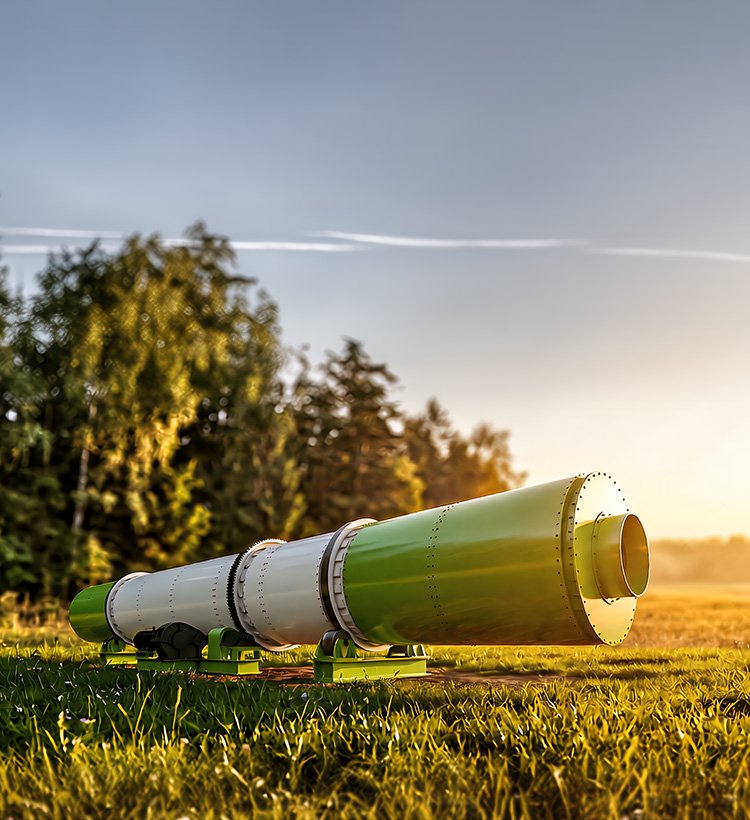
- Drying — Moisture content must be reduced to 8–15%. High moisture causes poor pellet binding and can lead to mold growth during storage. Rotary dryers, belt dryers, or solar drying systems are commonly used. For straw materials, flash drying is often the most energy-efficient method.
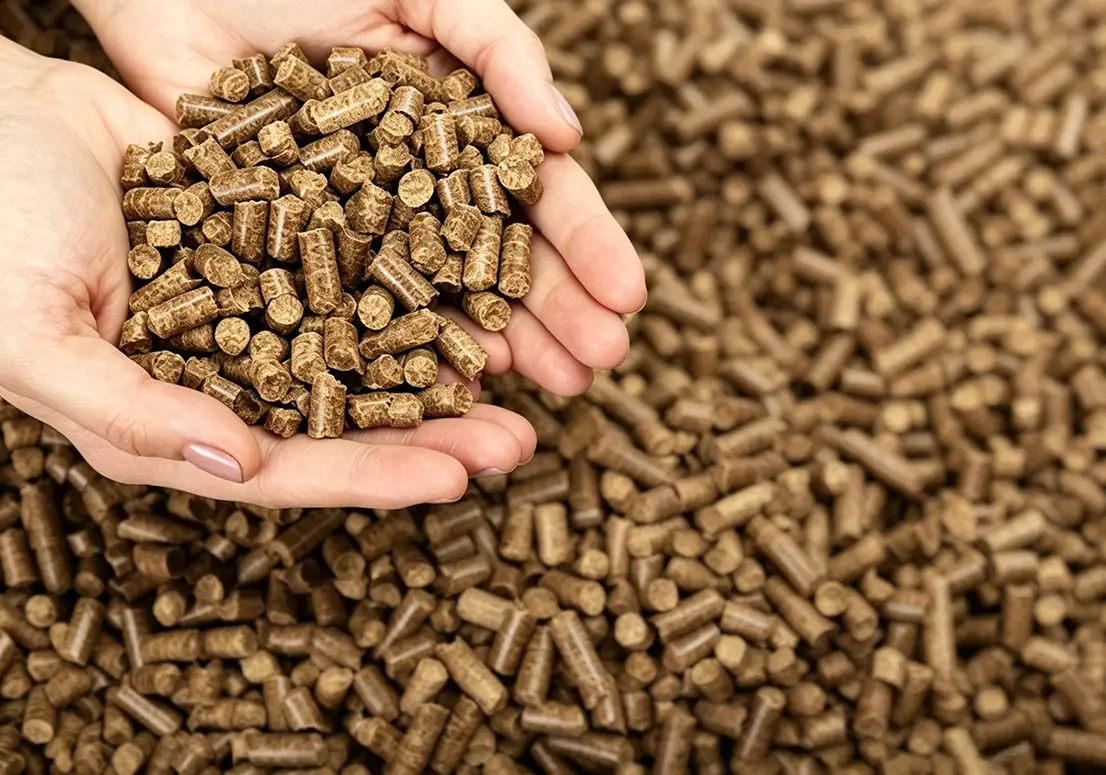
- Pelletizing — This is where a straw pellet mill does the heavy lifting. The material is compressed under high pressure (70–120 MPa) and temperature (90–120°C), breaking down lignin to act as a natural binder. The friction between the die and rollers is what generates the heat—no external energy source is needed for this step.
- Cooling & Packaging — Freshly extruded pellets are hot (80–90°C) and soft. They must be cooled to ambient temperature using a counter-flow cooler before packaging. Packaging typically involves 15 kg or 25 kg bags, or bulk silo loading for industrial buyers.
(Learn more about automatic straw pellet plant)
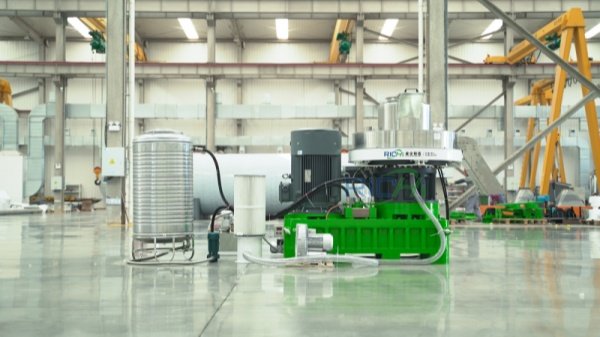
The entire process is continuous. In modern plants, it is managed by PLC-based automated control systems that monitor temperature, moisture, and machine performance in real time. As of early 2025, over 17% of newly installed pellet mills worldwide were fitted with AI-integrated sensors tracking compressive force, energy consumption, and output consistency—a trend that is only accelerating.
Agricultural Residues That Can Be Turned Into Pellets: A Comprehensive List
Now, let us get to the heart of the matter: what exactly can be pelletized? The answer is: far more than most people realize.
1. Straw Materials
Straw is arguably the most abundant and widely used feedstock for pellet production. It refers to the dry stalks and leaves left behind after grain harvest. The most common types include:
- Wheat Straw — One of the most widely available residues globally, with annual production exceeding 750 million tons. It has good fibrous structure and, when processed through a straw pellet mill, produces pellets with high energy density (approximately 16–18 MJ/kg) and strong mechanical strength. Wheat straw pellets are especially popular in Europe for residential heating.
- Rice Straw — Extremely abundant in Asia, where over 500 million tons are produced annually. It requires careful moisture control during drying, as its silica content (up to 15% in some varieties) can accelerate wear on machine components. In India and Thailand, many producers have upgraded their fine crushing systems to match pellet mill requirements. Rice straw pellets are also gaining traction as animal bedding in Japan and South Korea.
- Corn Stalk (Maize Stover) — Thick, fibrous, and energy-rich, with a calorific value of around 17 MJ/kg. Corn stalks are ideal for fuel pellets used in power plants and cement factories. They also work well as animal bedding. In the American Midwest, corn stover pelletizing has become a significant secondary income source for farmers.
- Barley, Oats, and Rye Straw — Common in Europe and North America, these are excellent candidates for both fuel and feed pellets. Oat straw, in particular, is softer and easier to pelletize, making it ideal for small-scale operators using flat-die mills.
- Sorghum Straw and Millet Straw — Widely available in sub-Saharan Africa and parts of South Asia. These materials are underutilized but have strong potential, especially as rural electrification programs expand across the continent.
- Peanut Straw and Alfalfa Straw — Alfalfa straw, in particular, is rich in protein and is highly valued as ruminant feed. In Argentina and Australia, alfalfa straw pellets command premium prices in the livestock feed market.
Straw makes up roughly half of the yield of cereal crops. That is an enormous, underutilized resource sitting in fields worldwide.
2. Husk and Shell Materials
These are the hard outer coverings of seeds and nuts. They are denser than straw and often produce pellets with higher calorific value—sometimes exceeding 20 MJ/kg.
- Rice Husk — One of the most popular biomass feedstocks in Southeast Asia. It has low ash content (around 15–20%) and high calorific value, making it a premium fuel pellet material. Rice husk pellets are exported in large quantities from Vietnam and Thailand to Japan and South Korea.
- Peanut Shell and Groundnut Shell — Dense and durable, these shells are excellent for fuel pellets and are also used in animal bedding. In West Africa, peanut shell pelletizing has become a viable small business for rural cooperatives.
- Sunflower Seed Shell — Widely available in Eastern Europe, Russia, and Ukraine. Works well in both fuel and feed applications. Sunflower shell pellets have a calorific value of approximately 19 MJ/kg.
- Coconut Shell — Extremely hard and high in carbon content (up to 50%). It produces some of the highest-quality fuel pellets available, with calorific values reaching 22 MJ/kg. The Philippines and Indonesia are major producers.
- Palm Kernel Shell — A byproduct of palm oil production. It is one of the most energy-dense agricultural residues, with a calorific value comparable to coal. Malaysia and Indonesia dominate this market.
- Coffee Husk — A growing feedstock in Latin America and East Africa. It is increasingly being pelletized for export markets, particularly to the European Union, where demand for certified sustainable biomass is surging.
3. Stalk Materials
Beyond corn, a wide variety of crop stalks can be pelletized:
- Sorghum Stalk — Common in Africa and India. Highly fibrous but pelletizes well when properly conditioned.
- Cotton Stalk — Abundant in India, China, and the United States. Cotton stalks are fibrous but pelletize well when properly conditioned. In Xinjiang, China, cotton stalk pellet plants have become a government-supported industry, with over 200 facilities operating as of 2024.
- Soybean Stalk — Widely available in Brazil, Argentina, and the United States. Soybean stalks have moderate energy content and work best when blended with higher-energy materials.
- Sunflower Stalk and Rapeseed Stalk — Common in Eastern Europe. These stalks are typically more robust than straw and require a more powerful straw pellet mill with higher compression force.
- Tobacco Stalk — A niche but profitable feedstock in China, Brazil, and Malawi. Tobacco stalk pellets are used primarily as fuel in curing barns.
These stalks are typically more robust than straw and require a more powerful straw pellet mill with higher compression force. Ring-die pellet mills, which operate at capacities of 1–10 tons per hour, are the standard choice for industrial-scale stalk pelletizing.
4. Bagasse and Fiber Byproducts
- Sugarcane Bagasse — The fibrous residue left after sugar extraction. It is one of the most efficient biomass fuels in the world, with Brazil being a global leader in bagasse pellet production. Bagasse pellets have a calorific value of approximately 18–19 MJ/kg and are used extensively in co-generation plants attached to sugar mills.
- Bamboo Dust and Sawdust — Increasingly used in China and Southeast Asia. Bamboo grows rapidly and regenerates quickly, making it a highly sustainable feedstock. Bamboo dust is often blended with agricultural straw to improve pellet durability.
- Jute Stick and Kenaf Fiber — Common in Bangladesh and parts of Southeast Asia. These fibers are rich in cellulose and produce pellets with good combustion characteristics.
- Hemp Hurd and Flax Shive — Emerging feedstocks in Europe, particularly in France and the Netherlands. These materials are byproducts of the textile and CBD industries and are finding new life in the pellet market.
5. Other Notable Residues
- Wood Shavings and Sawdust — While not strictly agricultural, these are often blended with crop residues to improve pellet binding. Sawdust contains natural lignin, which acts as a glue. When agricultural materials lack sufficient lignin, adding sawdust or a dedicated binder is essential.
- Coffee Grounds — Used in specialty pellet products, particularly in Europe. Coffee ground pellets have a unique aroma and are marketed as premium fuel for grills and fireplaces.
- Fruit Pruning Waste — Olive pits, grapevine trimmings, and citrus peels are all finding their way into pellet mills. In Italy, olive pit pellets are a growing niche product, with exports to Scandinavia increasing by 34% in 2024.
- Tea Waste and Tobacco Dust — Niche but growing markets, particularly in China and India. These materials are low-cost feedstocks that work well when blended with higher-energy residues.
The Role of the Straw Pellet Mill: The Engine of the Industry
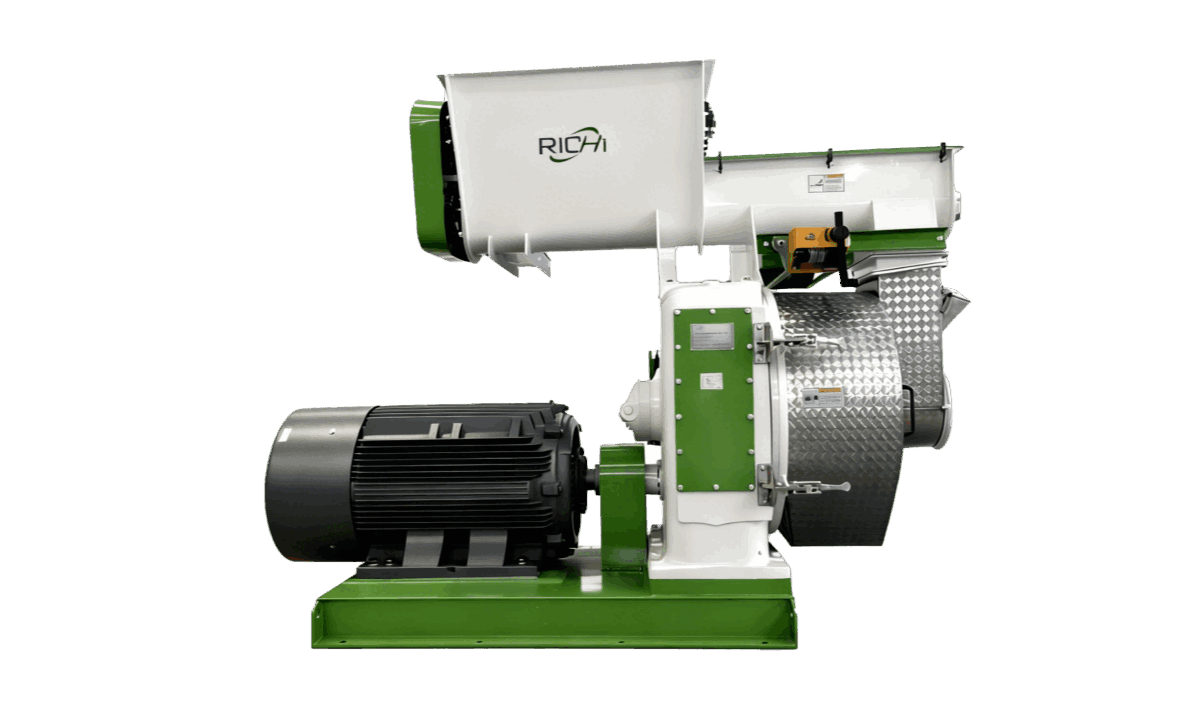
At the center of every pellet production line sits the straw pellet mill—the machine that transforms loose, low-density agricultural waste into dense, market-ready pellets. Without it, none of the materials listed above would have commercial value.
https://richipelletizer.com/straw-pellet-machine-for-sale
How It Works
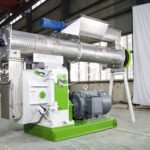
A straw pellet mill operates on the principle of mechanical extrusion. The raw material, already crushed and moisture-conditioned, is fed into the pelletizing chamber. Inside, a rotating ring die drives heavy rollers to forcibly compress the material through dense, regular holes in the die. The friction between the die and rollers generates heat (90–120°C), which activates the lignin in the biomass—acting as a natural binder. The material is squeezed through the die holes, emerging as continuous cylindrical columns that are then cut to the required length by a built-in cutter.
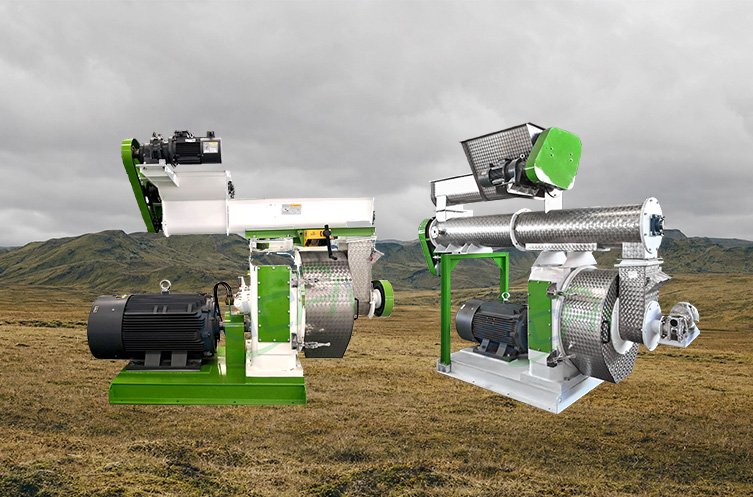
There are two main types:
| Type | Best For | Capacity | Price Range |
|---|---|---|---|
| Flat-Die Pellet Mill | Small-scale, farm-level production | 75–300 kg/h | 2,000–8,000 |
| Ring-Die Pellet Mill | Industrial-scale, commercial operations | 1–10 tons/h | 30,000–200,000 |
Modern straw pellet mills are increasingly integrated with automated control systems. A large-scale example is the MZLH508 model, which features a 508mm ring die, 90kW main motor, and a capacity of 1.5 tons per hour. These machines can produce pellets with diameters of 4–12mm, uniform size, low fines content (below 3%), and high mechanical strength—qualities that ensure stable combustion and high commercial value.
Choosing the Right Mill
The choice of straw pellet mill depends on three factors:
- Feedstock type — Stalk materials like corn and cotton require higher compression force than wheat or rice straw. Husk materials like rice husk and coconut shell require abrasion-resistant dies made from hardened alloy steel.
- Scale of operation — A flat-die mill suits a small farm. A ring-die mill is necessary for anything above 1 ton per hour. For operations exceeding 5 tons per hour, twin-layer or multi-layer dies are recommended to extend service life.
- End product — Fuel pellets, feed pellets, and bedding pellets each require slightly different die specifications and conditioning processes. For feed pellets, a conditioner is often added to increase material ripeness and nutritional value. The conditioner uses steam to raise the temperature to 80–85°C for 30–60 seconds, which gelatinizes starch and improves digestibility.
Applications of Agricultural Residue Pellets
The versatility of these pellets is one of their greatest strengths:
| Application | Details |
|---|---|
| Biomass Fuel | Used in household stoves, industrial boilers, and power plants. In Sweden, 22 municipal biomass plants adopted hybrid combustion techniques in 2024, co-firing straw pellets with forestry residues and achieving a 14% reduction in particulate emissions. |
| Animal Feed | Especially for ruminants like cattle and sheep. Straw feed pellets are rich in fiber and can be enhanced with protein additives. This is a growing market—companies like RICHI Machinery offer complete straw feed pellet production lines with automated batching and mixing. |
| Animal Bedding | Straw pellets make excellent, dust-free bedding for horses, cattle, and even cat litter. They absorb up to 4 times their weight in moisture and are easy to clean. The global animal bedding market for pellets is growing at 9.2% CAGR. |
| Fertilizer | Pelletized organic matter can be used as slow-release fertilizer, enriching soil with nitrogen, phosphorus, and potassium. In Japan, pelletized rice straw fertilizer is widely used in rice paddies to improve soil structure. |
| Industrial Raw Material | Some pellets serve as feedstock for particleboard, insulation panels, and even bioplastics. In Germany, straw pellets are being tested as a replacement for wood chips in OSB (oriented strand board) production. |
Regional Market Analysis
The pelletization industry is not uniform across the globe. Different regions favor different feedstocks:
| Region | Dominant Feedstock | Key Market |
|---|---|---|
| Europe | Wheat straw, wood chips, rapeseed stalk | Residential heating, industrial boilers |
| North America | Corn stover, switchgrass, soybean stalk | Power generation, export to EU |
| China | Rice straw, cotton stalk, bamboo dust | Rural heating, animal feed |
| India | Rice straw, bagasse, mustard stalk | Biomass power plants, briquette export |
| Southeast Asia | Rice husk, palm kernel shell, coffee husk | Export to Japan, South Korea |
| South America | Sugarcane bagasse, soybean stalk | Co-generation, domestic fuel |
| Africa | Sorghum stalk, millet straw, groundnut shell | Emerging rural energy market |
Market Size and Economic Outlook
The global biomass pellet market was valued at approximately USD 10.2 billion in 2024 and is projected to reach USD 18.7 billion by 2032, growing at a CAGR of 7.9%. The straw pellet segment alone accounts for roughly 35% of this market.
However, the industry faces real challenges. Industrial pellet mills cost between 500,000and2 million, depending on capacity and automation. In 2024, 37% of small-scale enterprises reported delays in scaling operations due to financing barriers. Maintenance costs have also risen by 8% year-over-year, driven by the complexity of integrated control systems and frequent die wear. Die replacement alone can cost 3,000to15,000 depending on size and material.
Despite these hurdles, the trajectory is clear: agricultural residue pelletization is not a niche—it is a structural transformation of the rural economy. The International Energy Agency projects that biomass will supply 15% of global primary energy by 2040, with agricultural residues playing a central role. (click to read)
Common Problems and How to Solve Them
| Problem | Root Cause | Solution |
|---|---|---|
| Pellets not forming properly | Moisture too high or too low | Adjust to 10–15%; use a moisture meter |
| Low output | Oversized particles or die blockage | Ensure hammer mill produces consistent 3–5mm particles; clean die regularly |
| High equipment wear | Abrasive feedstock (e.g., rice husk) | Use hardened alloy steel dies; reduce silica content through pre-washing |
| Poor binding | Low natural lignin content | Add a binder: sawdust, starch, or lignin-rich material at 5–10% ratio |
| Pellets cracking after cooling | Rapid cooling or high moisture | Use a counter-flow cooler; ensure final moisture is below 12% |
For new operators, it is critical to condition the die before first use. As recommended by equipment manufacturers, conditioning pellets—composed of 50% sand blast media, 25% straw, and 25% oily material like soybean—should be run through the mill to clean die cavities and build proper operating temperature. Skipping this step is the single most common mistake made by first-time pellet producers, and it can reduce die life by up to 40%.
Environmental Impact: The Bigger Picture
Pelletizing agricultural residues delivers environmental benefits that extend far beyond carbon neutrality.
- Reduces open-field burning: In India alone, crop burning contributes to 25–40% of Delhi’s winter air pollution. Every ton of straw pelletized is one less ton burned in the field.
- Lowers methane emissions: When crop residues decompose in landfills or waterlogged fields, they produce methane—a greenhouse gas 80 times more potent than CO₂ over a 20-year period.
- Conserves forests: By providing an alternative to wood fuel, agricultural pellets reduce deforestation pressure. In sub-Saharan Africa, where 60% of energy comes from biomass, straw pellets could save millions of trees annually.
- Improves soil when returned: After nutrients are extracted, the remaining ash can be returned to fields as potassium-rich fertilizer, closing the nutrient loop.
A lifecycle assessment conducted by the University of Hohenheim in 2024 found that straw pellets produced 78% fewer greenhouse gas emissions than coal and 45% fewer than natural gas on a per-unit-energy basis.
Future Trends to Watch
Several trends will shape the agricultural pellet industry over the next decade:
- AI-optimized pellet mills: By 2027, an estimated 40% of new pellet mills will include machine-learning algorithms that adjust die pressure, feed rate, and moisture in real time.
- Blended pellets: Single-feedstock pellets are giving way to multi-material blends. A common recipe: 60% corn stover + 20% rice husk + 20% sawdust. This improves durability and calorific value.
- Carbon credit monetization: Pellet producers are beginning to register their projects under voluntary carbon markets. A typical 10,000-ton-per-year plant can generate 50,000to120,000 annually in carbon credits.
- Mobile pellet mills: Truck-mounted flat-die pellet mills are gaining popularity in Africa and Central Asia, allowing farmers to process residues on-site and eliminate transport costs.
- Government mandates: More countries are adopting renewable fuel standards that require a minimum percentage of biomass in heating fuel. This creates guaranteed demand for agricultural pellets.
Conclusion
The list of agricultural residues that can be turned into pellets is remarkably long: wheat straw, rice straw, corn stalks, cotton stalks, peanut shells, rice husks, sugarcane bagasse, bamboo dust, coffee husks, sunflower shells, tobacco waste, tea waste, coconut shell, palm kernel shell, jute stick, kenaf fiber, hemp hurd, flax shive, olive pits, grapevine trimmings, and more. Each of these materials, when fed through a properly selected straw pellet mill, becomes a dense, uniform, high-value product suitable for fuel, feed, bedding, fertilizer, or industrial use.
The technology is mature. The market is growing at nearly 8% annually. The environmental case is overwhelming. Governments are actively subsidizing the transition. What remains is the willingness to invest—and the understanding that what was once waste is now wealth. For farmers, agri-businesses, and rural entrepreneurs, the question is no longer can agricultural residues be pelletized. The question is: why haven’t you started yet?