
Something is changing in the poultry industry, and it is not happening on the farm. It is happening in the feed room. Across the world, from small family operations to large integrated companies, more producers are bringing feed production in-house. They are buying grinders, mixers, and pellet machines. They are learning about die selection and conditioning. They are turning a cost center into a controlled process.
This is not a sudden revolution. It has been building for years. But the pace has accelerated recently, driven by a combination of factors that have made on-site production more attractive and more accessible than ever before. Understanding this shift is important, not just for the farms making the change, but for anyone who supplies them, buys from them, or competes with them.
What Is Driving the Shift
The first driver is cost. Feed is the largest expense in poultry production, often representing 60% to 70% of total variable costs. When commercial feed prices rise, margins shrink. Producers look for ways to reduce that cost, and on-site production is the most direct route. By buying ingredients at wholesale prices and processing them on the farm, producers can cut feed costs by 15% to 25%.
The second driver is control. Commercial feed is formulated for an average flock, not a specific one. The ingredients change with market prices. The pellet quality varies from batch to batch. The delivery schedule may not match the production schedule. For producers who want consistency, those variations are a problem. On-site production gives them control over the formulation, the quality, and the timing.
The third driver is technology. The equipment has improved. It is more efficient, more automated, and more reliable than it was a decade ago. A small pellet machine that once required constant attention can now run with minimal supervision. The controls are user-friendly. The wear parts last longer. The learning curve is shorter. This has made on-site production accessible to a wider range of operations.
The fourth driver is market demand. Consumers are increasingly interested in how their food is produced. They want to know where the feed comes from, what is in it, and how it was made. Producers who control their own feed can answer those questions. They can differentiate themselves in a crowded market. They can tell a story that resonates with buyers.
What the Equipment Looks Like Today
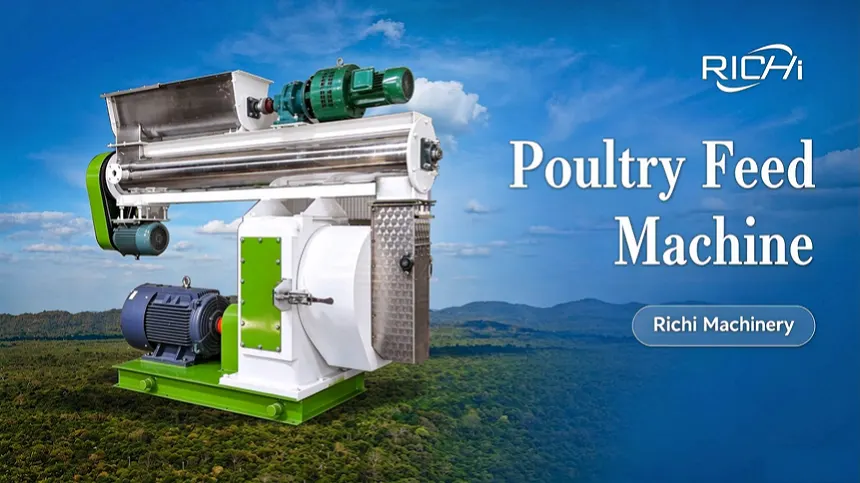
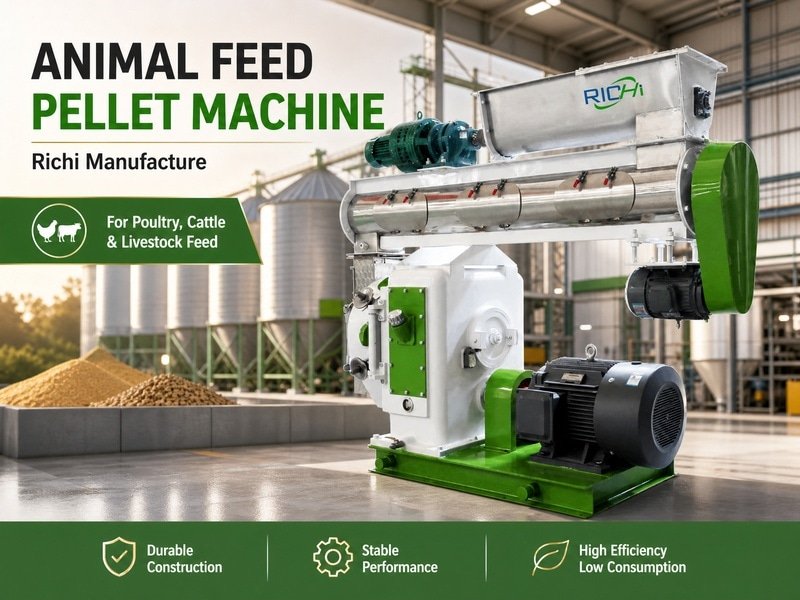
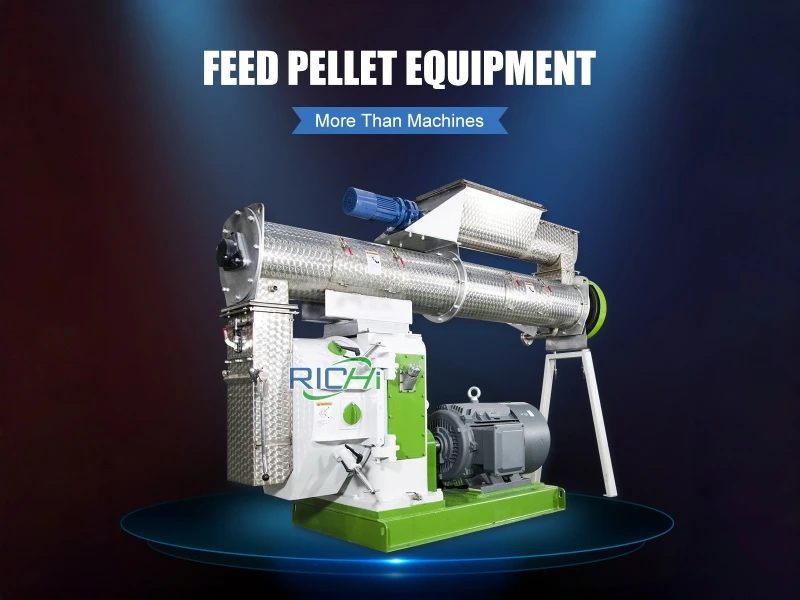
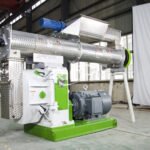
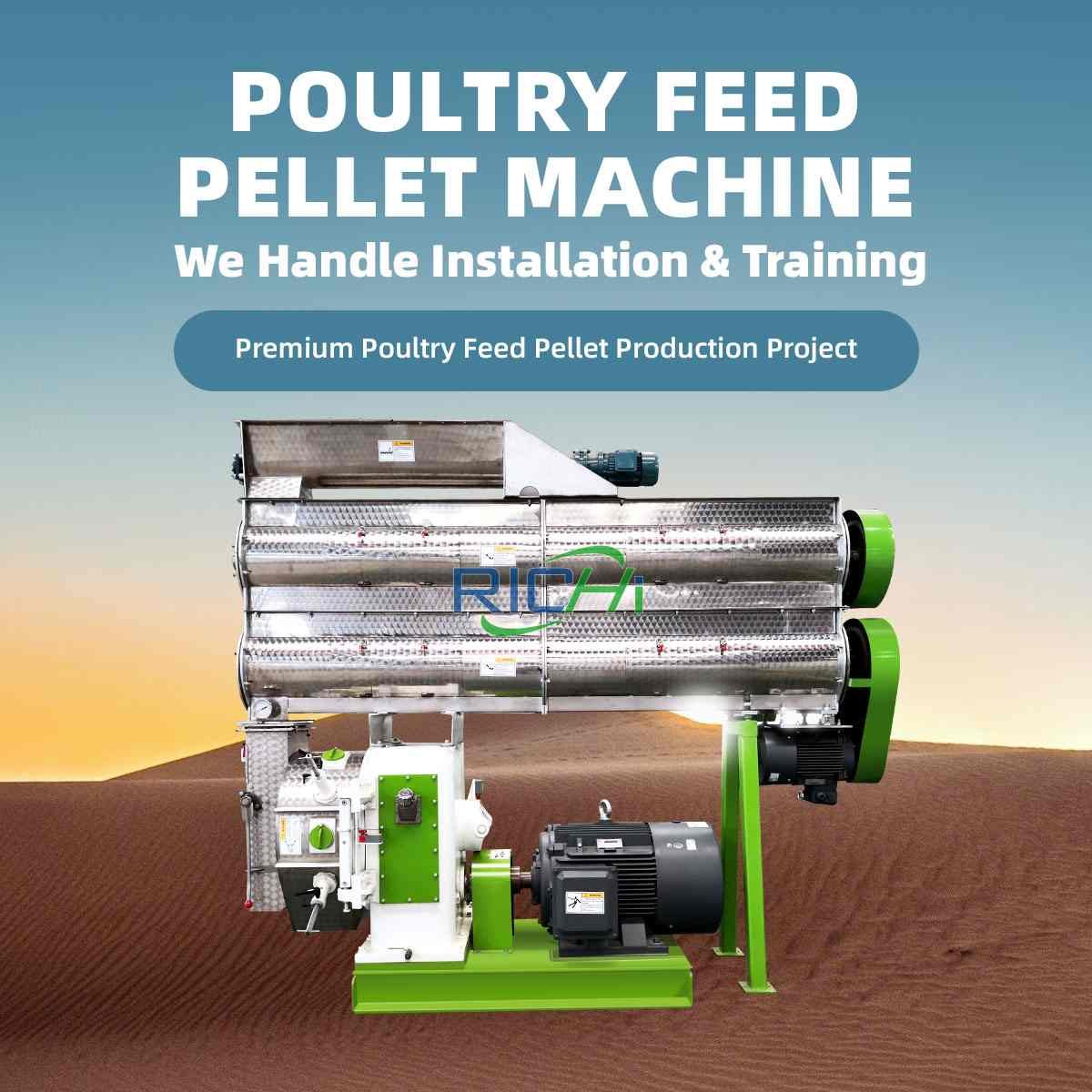
The equipment that makes this possible is not the same as it was twenty years ago. A modern chicken feed pellet making machine is a precision piece of equipment. It has a die that is machined to exact tolerances. It has rollers that are balanced and fitted to maintain consistent pressure. It has a conditioner that injects steam at precise temperatures. It has a control system that monitors the process and adjusts parameters automatically.
The scale has also changed. There are machines for every size of operation. A small farm with a few thousand birds can buy a compact machine that produces a few hundred kilograms per hour. A large operation with tens of thousands of birds can buy an industrial machine that produces several tons per hour. The equipment has been democratized. It is no longer just for the big players.
Automation has been a key part of this evolution. An automatic poultry feed pellet making machine uses sensors to monitor temperature, pressure, moisture, and feed rate. It adjusts the process in real time to maintain consistent quality. It shuts down if something goes wrong. It logs data for traceability. The operator sets the parameters and monitors the output. The machine does the rest. This reduces labor costs and improves consistency, which are two of the biggest challenges in feed production.
What This Means for Producers
For producers who have made the switch, the benefits are tangible. They have lower feed costs. They have better control over quality. They have greater flexibility in formulation. They have reduced waste. They have improved feed conversion. And they have a story to tell their customers.
But the shift is not without challenges. On-site production requires an investment in equipment, time, and learning. It requires a reliable supply of ingredients. It requires a place to store them and a system to manage inventory. It requires a willingness to take on a new part of the business. Not every producer is ready for that.
There is also the question of scale. A very small operation may not produce enough feed to justify the investment. A very large operation may find that the complexity of managing feed production distracts from its core business. The sweet spot is often in the middle—operations that are large enough to benefit from the savings but small enough to be nimble.
What This Means for the Industry
The shift toward on-site feed production has implications beyond individual farms. It changes the relationship between producers and feed mills. It changes the economics of the supply chain. It changes the way feed is bought, sold, and priced.
For feed mills, the rise of on-site production is both a threat and an opportunity. It is a threat because it reduces demand for commercial feed. It is an opportunity because feed mills can supply the ingredients, the equipment, and the expertise that on-site producers need. The mills that adapt will find new ways to serve their customers. The mills that do not will struggle.
For equipment manufacturers, the shift is a clear opportunity. The demand for pellet machines, grinders, mixers, and conditioners is growing. The demand for training and support is growing. The demand for spare parts and maintenance is growing. Manufacturers who can meet those needs will thrive. RICHI machinery manufacture has been building feed processing equipment for decades. They have seen the shift firsthand. They have worked with producers at every scale. They understand what it takes to make on-site production work.
The Long View
It is tempting to see this shift as a temporary response to high feed prices. But that would be a mistake. The underlying drivers—cost, control, technology, and market demand—are not going away. They are getting stronger. Feed prices are likely to remain volatile. Producers will continue to look for ways to reduce costs and improve quality. Technology will continue to improve. Consumers will continue to ask questions.
The shift toward on-site feed production is not a fad. It is a structural change in the industry. It is changing the way poultry is produced, the way feed is made, and the way value is distributed. It is creating new opportunities and new challenges. And it is happening quietly, in feed rooms and equipment sheds, one farm at a time.
For producers who are considering the move, the question is not whether it works. The evidence is clear. The question is whether it works for you. What is your feed volume? What is your budget? What is your tolerance for learning something new? What is your long-term vision for the farm? The answers will tell you whether on-site production is the right path.