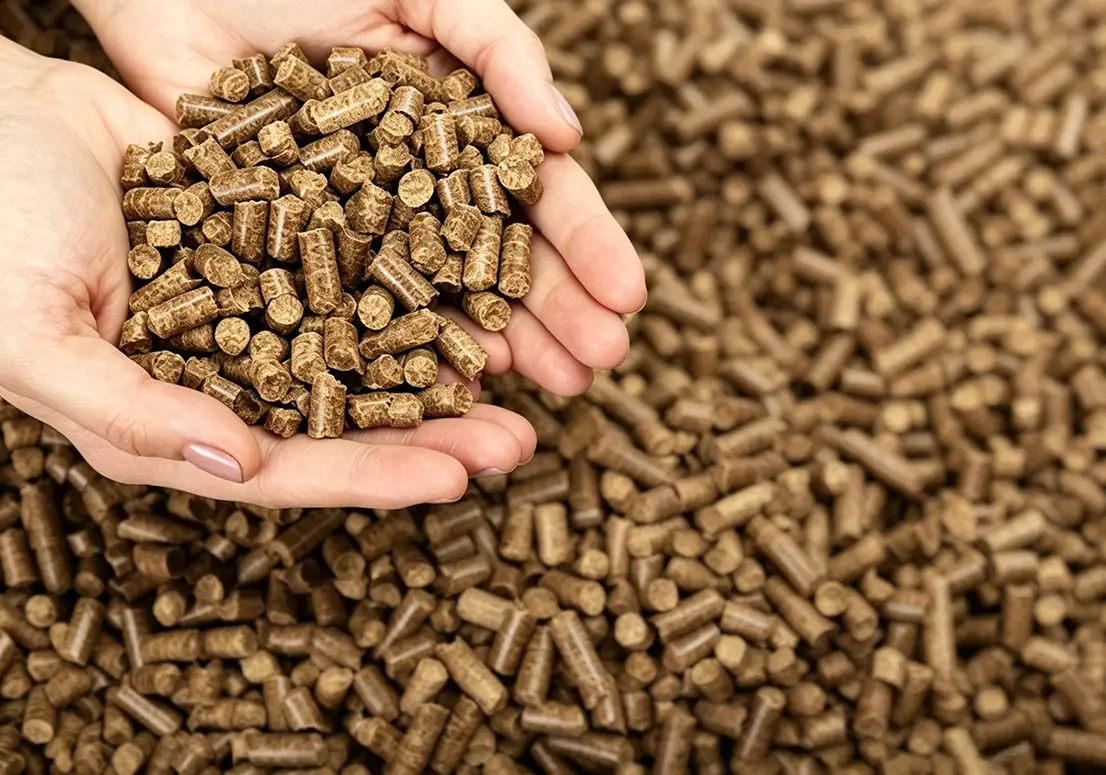
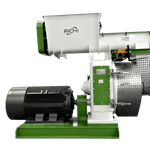

As global demand for sustainable agriculture grows, farmers and agribusinesses are increasingly turning to organic fertilizers to enhance soil health, reduce chemical runoff, and produce healthier crops. A organic fertilizer pellet making machine is a game-changing tool that transforms raw organic materials—such as animal manure, crop residues, food waste, and compost—into uniform, nutrient-rich pellets. These pellets are easy to store, transport, and apply, making them ideal for both small-scale farms and large commercial operations.
This comprehensive guide explores the benefits, working principles, types, and key considerations for selecting the right organic fertilizer pellet machine, helping you optimize production efficiency and promote eco-friendly farming practices.
Why Invest in an Organic Fertilizer Pellet Making Machine?
1. Enhanced Nutrient Efficiency
Organic pellets provide a slow-release source of nitrogen (N), phosphorus (P), and potassium (K), along with micronutrients like calcium and magnesium. Unlike raw manure, which can lose up to 50% of its nutrients through volatilization or leaching, pelletized fertilizers ensure consistent nutrient availability over time, improving crop yields and reducing waste.
2. Improved Soil Health
Organic pellets enrich soil structure by increasing organic matter content, promoting beneficial microbial activity, and enhancing water retention. This leads to healthier, more resilient crops and reduces reliance on synthetic fertilizers.
3. Cost-Effective & Eco-Friendly
By repurposing agricultural waste (e.g., cow dung, poultry litter, or straw) into valuable fertilizer, farmers can cut production costs while minimizing environmental pollution. Pelletization also reduces the volume of waste by up to 70%, making storage and transportation more efficient.
4. Compliance with Organic Farming Standards
Pelletized organic fertilizers meet strict certification requirements for organic agriculture, enabling farmers to access premium markets and command higher prices for their produce.
5. Versatility in Application
Pellets can be tailored to different crop needs—from slow-release fertilizers for perennials to fast-acting formulas for vegetables. They can also be blended with biochar, humic acid, or other additives for customized nutrient profiles.
How Does an Organic Fertilizer Pellet Making Machine Work?
The pelletization process involves several stages to convert raw organic materials into uniform, durable pellets:
1. Raw Material Preparation
- Crushing & Screening: Large materials (e.g., straw, wood chips) are shredded into smaller particles (≤5mm) using a hammer mill or crusher.
- Mixing: Ingredients like manure, compost, and mineral additives are blended homogeneously to ensure balanced nutrient distribution.
- Moisture Adjustment: Water or a binding agent (e.g., lignin, starch) is added to achieve optimal moisture content (25–35%) for pellet formation.
2. Pelletization
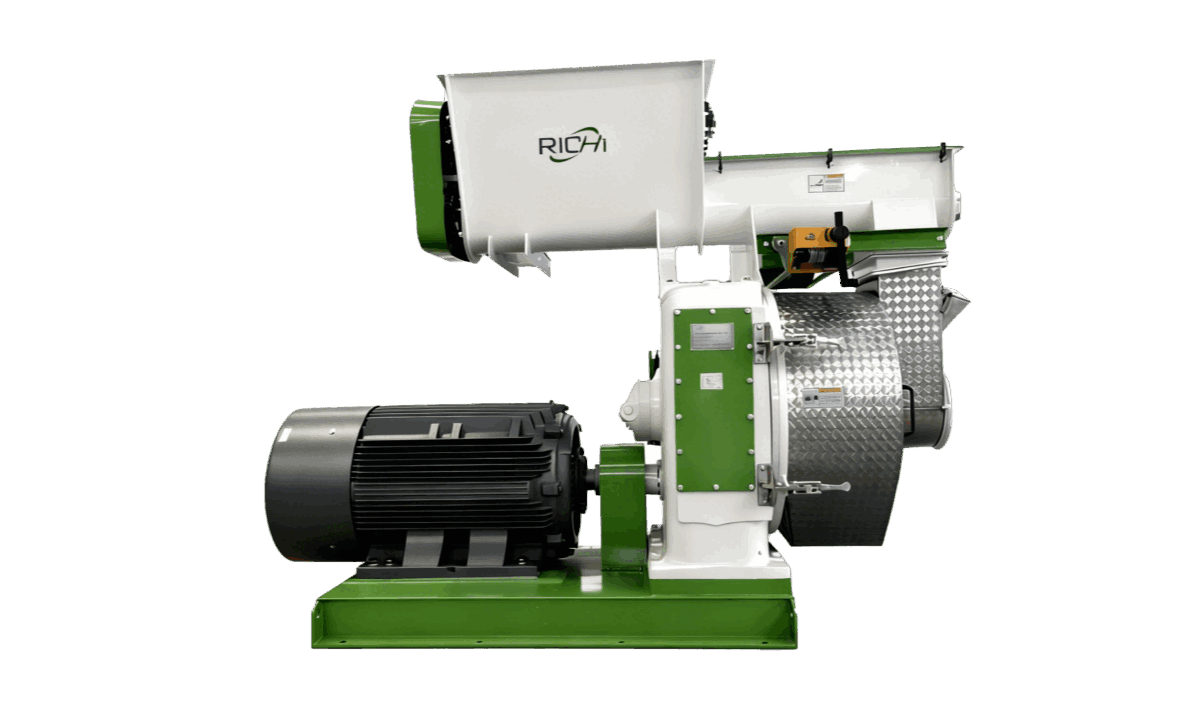
The prepared mixture is fed into a pellet mill, where it passes through a die with small holes (typically 2–8mm in diameter). Under high pressure and friction generated by rotating rollers, the material is compressed into dense pellets.
Key types of pellet mills:
- Flat-Die Pellet Mill: Ideal for small-scale operations (e.g., backyard farms or hobbyists).
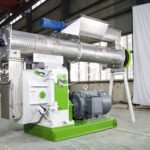
- Ring-Die Pellet Mill: Suitable for high-volume production (1–10+ tons/hour) in commercial fertilizer plants.
3. Cooling & Drying
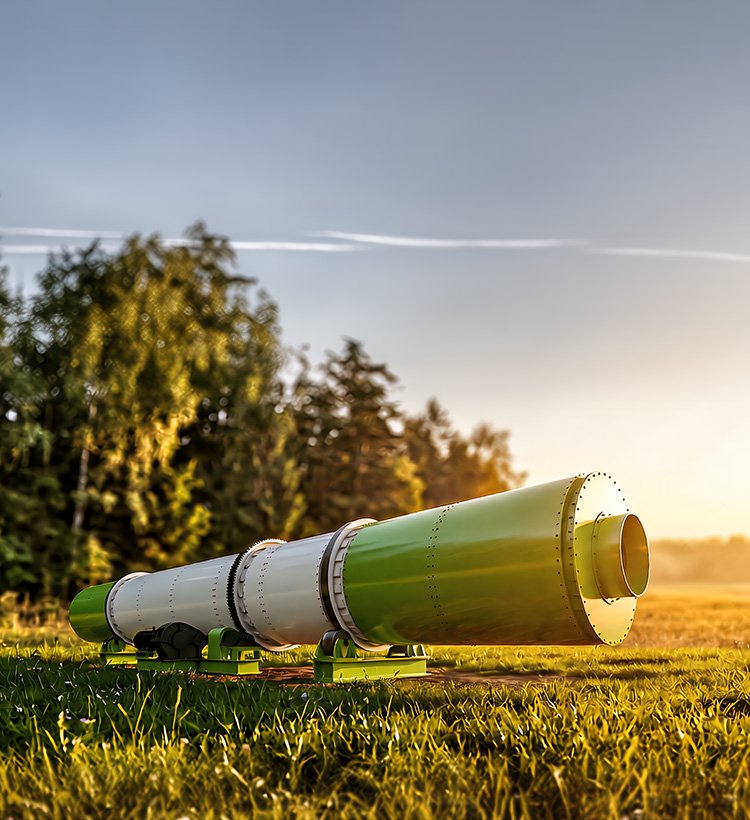
Freshly extruded pellets are hot and moist, making them prone to breakage. A cooler or dryer reduces their temperature and moisture content to 10–15%, ensuring stability during storage and transport.
4. Screening & Packaging
Pellets are passed through a vibrating screen to remove fines or oversized particles. The final product is then packaged into bags or bulk containers for distribution.
(Useful link: https://pelletisingmachine.com/organic-fertilizer-production-line/)
Types of Organic Fertilizer Pellet Making Machines
1. Small-Scale Pellet Machines
- Best for: Hobby farmers, home gardeners, or small organic farms.
- Capacity: 50–500 kg/hour.
- Features:
- Compact design, easy to operate.
- Runs on electricity or diesel engines.
- Suitable for processing manure, compost, or food waste.
2. Medium-to-Large-Scale Pellet Mills
- Best for: Commercial fertilizer producers, cooperatives, or agribusinesses.
- Capacity: 1–10+ tons/hour.
- Features:
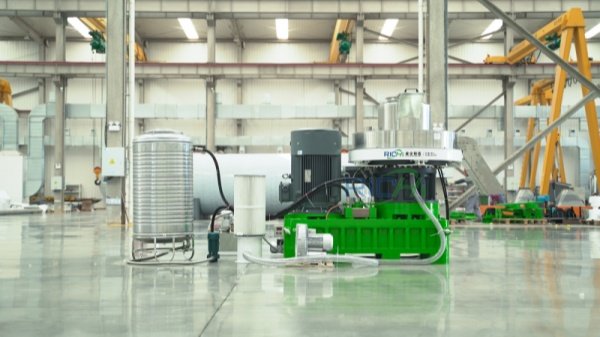
- Ring-die or flat-die models with automated controls.
- Can handle a wide range of raw materials (e.g., poultry litter, mushroom substrate, or green waste).
- Optional add-ons: dryers, coolers, and dust collection systems.
3. Mobile Pellet Plants
- Best for: On-site processing at livestock farms or waste recycling centers.
- Features:
- All-in-one design (crushing, mixing, pelletizing, cooling) mounted on a trailer.
- Reduces transportation costs by converting waste into fertilizer locally.
(View)
Key Features to Look For in an Organic Fertilizer Pellet Machine
- Die & Roller Material: Opt for stainless steel or alloy dies for durability and resistance to corrosion.
- Adjustable Compression Ratio: Allows customization of pellet density for different materials.
- Energy Efficiency: Choose machines with low power consumption to reduce operating costs.
- Ease of Maintenance: Quick-access components and self-lubricating bearings minimize downtime.
- Safety Mechanisms: Overload protection and emergency stop features prevent accidents.
Applications of Organic Fertilizer Pellets
- Agriculture: Cereals, vegetables, fruits, and cash crops.
- Horticulture: Greenhouses, nurseries, and ornamental plant cultivation.
- Landscaping: Golf courses, parks, and urban gardens.
- Waste Management: Recycling livestock manure, food scraps, or sewage sludge into valuable fertilizer.
FAQs About Organic Fertilizer Pellet Making Machines
Q: What raw materials can I use?
A: Common inputs include cow dung, poultry manure, crop residues, mushroom waste, and food scraps. Avoid materials with high sand or plastic content.
Q: How much does an organic fertilizer pellet machine cost?
A: Prices range from 1,000 for small manual machines to 50,000+ for industrial-grade pellet mills. Factors like capacity, automation, and build quality influence costs.
Q: Do I need a dryer for pellet production?
A: If your raw materials are already dry (moisture <20%), a dryer may not be necessary. However, high-moisture feeds (e.g., fresh manure) require drying to prevent pellet breakage.
Q: Can I make pellets without a binder?
A: Yes! Many organic materials (e.g., composted manure) have natural binding properties. However, adding lignin or starch can improve pellet durability.
Conclusion
An organic fertilizer biomass pellet mill is a smart investment for farmers and agribusinesses looking to adopt sustainable practices, reduce waste, and boost crop productivity. Whether you’re a small-scale gardener or a large fertilizer producer, choosing the right machine can help you create high-quality, eco-friendly fertilizers that meet market demand.
Ready to transform waste into wealth? Explore our range of organic fertilizer pellet mills, designed for efficiency and reliability. Contact us today for a free consultation and customized solution!